
Once a hormone therapy protocol is underway, timing questions tend to come up quickly, and one of the most common is when should I take enclomiphene to get the most out of treatment. The honest answer is that consistency generally matters more than the specific hour of the day, though there are a few practical considerations worth understanding before settling into a routine.
Because enclomiphene works by influencing a hormonal feedback loop rather than simply adding testosterone to the body, small differences in timing and consistency can meaningfully affect how a protocol performs over time. Providers hear when should I take enclomiphene often enough that most have a structured way of answering it, rather than a single generic rule.
Why Consistency Matters More Than the Clock
Maintaining stable medication concentrations in the bloodstream depends heavily on dosing at roughly the same time every day, rather than on hitting one particular window. Providers commonly recommend anchoring the dose to an existing daily habit, such as brushing teeth or making coffee, since that tends to be a more reliable strategy than trying to remember a specific clock time on its own.
Missing an occasional dose is unlikely to undo weeks of progress, but repeatedly skipping doses or shifting the timing by several hours can make it harder to interpret follow-up labs, since testosterone, luteinizing hormone, and follicle stimulating hormone all fluctuate somewhat over the course of a day.
What the Research Says About Morning Testosterone
Morning dosing is sometimes preferred because natural testosterone production follows a daily rhythm rather than staying flat around the clock. Testosterone levels naturally rise during sleep and peak in the early morning before gradually declining throughout the day, which is part of why some providers suggest morning dosing may align better with the body’s own hormonal pattern.
Sleep quality itself plays a meaningful role in this rhythm, not just the time on the clock, since poor or disrupted sleep can blunt the morning peak that a well-timed dose is meant to work alongside. That connection is a useful reminder that a consistent sleep schedule may matter as much as the specific hour a dose is taken.
Morning vs Evening Dosing
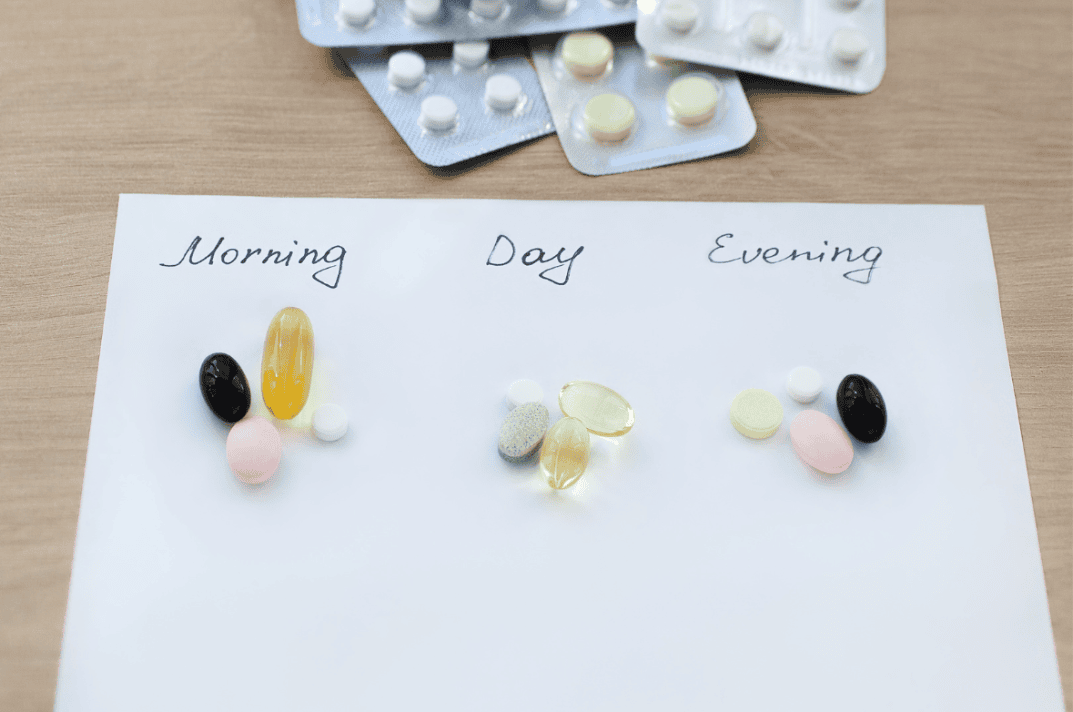
Answering when should I take enclomiphene often comes down to comparing morning against evening dosing directly, since neither one is universally correct. Evening dosing is sometimes recommended instead, particularly for men who notice mild side effects after starting treatment, since any temporary discomfort is less likely to interfere with the day ahead if it occurs overnight rather than during work hours. Providers typically ask patients to track how they feel during the first few weeks and adjust timing based on that response rather than following a fixed rule from day one.
Neither approach has been shown to be dramatically superior in terms of overall enclomiphene results, which is why the decision usually comes down to a person’s daily schedule, tolerance for side effects, and how long does enclomiphene take to work for their specific hormonal baseline. Lab-confirmed increases in testosterone are commonly seen within the first two to four weeks of consistent use, regardless of whether dosing happens in the morning or evening.
Valhalla Vitality is one example of a provider-led telehealth service that helps patients weigh morning against evening dosing based on their own reported side effects and follow-up labs, rather than defaulting to one fixed recommendation for every patient.
Understanding Enclomiphene Half Life
Part of why timing consistency matters comes down to enclomiphene half life, which determines how long the medication remains active in the bloodstream after each dose. A medication with a longer half life tends to be more forgiving of small timing shifts, while one with a shorter half life requires closer attention to a consistent schedule to maintain stable concentrations.
This is also why enclomiphene dosage protocols are typically built around once-daily administration rather than multiple doses spread throughout the day, since a well-chosen dosing interval is meant to work with the medication’s natural clearance rate rather than against it. Providers generally set the specific dose, whether that is an enclomiphene 25mg starting point or a lower amount, based on baseline labs rather than a standard recommendation that applies to everyone. Enclomiphene citrate is the specific form used in these protocols, and its half life is one of the main reasons once-daily dosing has become the standard approach.
What Happens If a Dose Is Missed
Missing a single dose occasionally is not something most men need to worry about, since enclomiphene supports an ongoing hormonal signaling process rather than delivering a one-time effect. The bigger concern is a pattern of inconsistency, since irregular dosing makes it harder for both patient and provider to tell whether a change in symptoms or labs reflects the treatment itself or simply inconsistent use.
If a dose is missed and remembered later the same day, taking it as soon as possible is generally reasonable. If it is closer to the next scheduled dose, most providers recommend skipping the missed one rather than doubling up, since taking two doses close together does not meaningfully speed up results and may increase the likelihood of side effects. Does enclomiphene work as well when doses are taken inconsistently? Generally not as predictably, which is another reason a steady routine matters more than chasing an ideal hour.
Why Timing Interacts With the Body’s Natural Rhythm
Testosterone production is not simply a matter of a single daily peak and trough. According to research on circadian clock genes and testosterone synthesis, clock genes directly regulate the enzymes involved in testosterone production, and healthy men show measurable diurnal fluctuations in both luteinizing hormone and testosterone across the day. Disrupting that rhythm, through irregular sleep or shift work, can interfere with the same hormonal pattern a well-timed enclomiphene dose is meant to work alongside.
Building a Routine That Sticks
Setting a phone reminder, pairing the dose with an existing habit, and choosing a time that realistically fits a person’s schedule tend to matter more in practice than chasing a theoretically perfect hour. A dosing plan that gets skipped two or three times a week because it does not fit someone’s routine is less effective than a slightly less optimal time that gets followed consistently.
Travel, shift work, and irregular schedules are common reasons a routine falls apart, so it is worth planning for them in advance. Anchoring the dose to a fixed activity, such as the first meal after waking, tends to hold up better through schedule changes than trying to match a specific clock time.
Building a dosing routine around a patient’s actual daily schedule, and adjusting timing based on follow-up labs and reported side effects, tends to work better in practice than a generic recommendation applied to everyone.
For anyone still deciding when should I take enclomiphene, the most useful next step is a conversation with a provider who can review lab trends and personal schedule constraints together, since the right timing ultimately depends on the individual rather than a single universal answer.