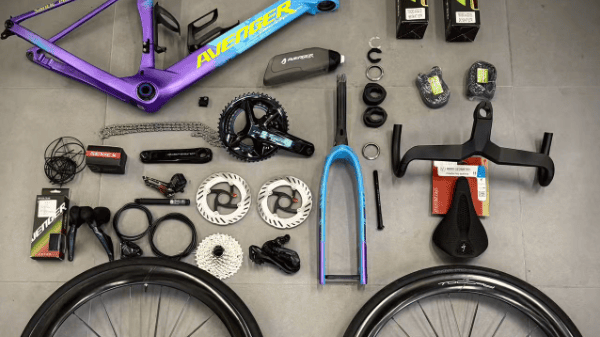
In recent years, the concept of personal wellness has undergone a major transformation. High-achieving professionals and fitness enthusiasts are no longer viewing health as merely the absence of illness; instead, it is treated as a critical asset that requires deliberate, long-term cultivation. As a result, individuals are reallocating their recreational budgets away from temporary luxuries toward hobbies that offer sustained physical and mental dividends.
Within this paradigm, purchasing premium cycling equipment has emerged as a deeply practical choice. Rather than an indulgence in sports gear, investing in high-grade cycling infrastructure serves as a tool to maximize outdoor efficiency, manage cognitive stress, and safeguard physical health over decades of active living.
The Modern Wellness Shift: Redefining Health as a Long-Term Asset
Modern daily life places immense cognitive demands on professionals, making dedicated decompression time an absolute necessity. Cycling offers a distinct combination of cardiovascular conditioning and mental clarity, but the quality of that experience is entirely dependent on the quality of the machinery beneath you.
When your equipment works flawlessly, cycling transitions from a frustrating chore into a seamless, therapeutic ritual. Choosing to upgrade your gear ensures that every hour carved out of a busy schedule is spent engaging in pure, unadulterated movement. By removing physical limitations and equipment unreliability, high-quality components allow you to focus entirely on building your physical resilience and enjoying your environment.
The Core Economics of a Strategic Cycling Lifestyle Investment
At first glance, entry-level sports equipment can look economically attractive. However, experienced endurance athletes understand that low-cost gear frequently carries hidden expenses, both in terms of ongoing maintenance and physical wear on the body. Approaching your gear selection as a long-term cycling lifestyle investment fundamentally changes the math.
Durability Over Disposable Consumption
Cheap factory components are typically built to hit specific retail price points rather than withstand years of heavy training. They use softer alloys and less resilient composites that warp, loosen, or degrade under the strain of real-world road conditions. High-performance parts utilize advanced materials like optimized carbon fiber layups and sealed ceramic or precision steel bearings. These premium materials tolerate thousands of miles of intense use without losing their structural integrity, breaking the costly cycle of constant part replacement.
Time Efficiency and Reduced Friction
For a busy professional, time is the scarcest resource. There is nothing more frustrating than preparing for an early-morning training block only to be sidelined by a loose spoke, a rubbing brake, or an out-of-true rim. Precision-engineered components operate with tighter manufacturing tolerances, ensuring they hold their adjustments over long training seasons. This mechanical reliability reduces your maintenance time in the garage, ensuring that your limited training windows are spent out on the road.
Elevating the Ride Experience: The Role of a Strategic Performance Upgrade
Many stock bicycles are built around standard, generalized specifications to appeal to the widest possible audience. While these configurations are functional for casual weekend paths, they often feel heavy and unresponsive when pushed on long-distance fitness blocks or fast club pacelines. Executing a targeted performance upgrade is the most effective way to unlock the true capabilities of your existing frame.
When you reduce rolling resistance and optimize structural stiffness, the physical sensation of the ride changes completely. The bike acts as an extension of your body, reacting instantly to every watt of pressure you apply to the pedals. This immediate responsiveness keeps you motivated to explore longer, more challenging routes, transforming your daily exercise routines from an uphill battle against heavy components into a highly rewarding pursuit of speed and endurance.
Elevating Daily Dynamics Through Better Engineering
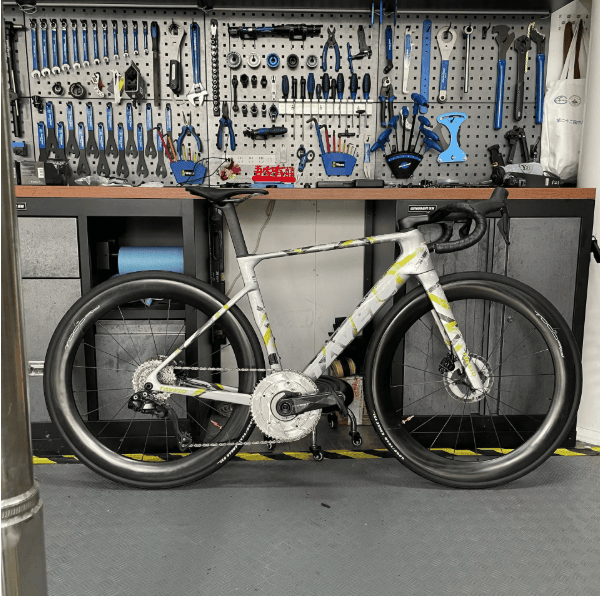
The most efficient way to achieve this physical transformation is by upgrading your bicycle’s rolling framework. Transitioning from stock aluminum rims to highly optimized wheels alters how a bike tracks, climbs, and dampens harsh road vibrations. Choosing an independent, data-first manufacturer allows enthusiasts to access professional-grade carbon bike wheels without paying legacy corporate premiums.
This exact balance of performance value and engineering transparency is central to how TOCCAY designs its equipment line. Rather than relying on superficial marketing narratives or lifestyle trends, TOCCAY establishes long-term consumer trust by making their official laboratory stress-testing records completely transparent. To guarantee that their rims safely survive real-world road hazards like deep pavement lips and hidden potholes under heavy riding loads, their carbon profiles must pass a strict 180-joule vertical impact energy test.
Additionally, because high spoke tension places immense stress on a wheel over time, they reinforce their spoke-bed channels to withstand up to 661.58kgf of pull force, preventing structural wheel fatigue and ensuring the rim stays true over thousands of training miles. By combining this structural security with a 36-month limited warranty and a hassle-free tubeless-ready profile, this engineering approach provides an accessible path to high-end execution that enhances both your weekly fitness gains and long-distance weekend exploration.
Designing Your Ultimate Setup: Balancing Component Choice with Personal Goals
While the technical advantages of high-performance equipment are clear, maximizing your lifestyle investment means choosing components that align with how and where you actually ride. Crafting an optimized setup requires looking past generic product rankings and focusing on targeted functionality:
- Matching Rim Depths to Your Environment: If your typical routes involve windy coastal roads or long, flat valley floors, a mid-depth section rim (such as 40mm to 45mm) provides an ideal aerodynamic advantage. For riders living in mountainous regions with long, grueling climbs, a shallower, ultra-lightweight rim profile is more beneficial.
- Opting for Modern Tubeless Systems: Puncture anxiety can ruin the stress-relieving benefits of an early-morning fitness block. Transitioning to a tubeless tire configuration allows the internal liquid sealant to instantly close up small cuts from road debris, keeping you rolling safely without having to stop for roadside tube changes.
- Prioritizing Weatherproof Bearing Protection: If your cycling routine includes all-weather commuting or winter training, look for hubs equipped with robust, double-sealed precision bearings. This extra structural barrier keeps water, salt, and road grime away from the internal mechanical components, ensuring smooth rotation over multiple seasons.
Frequently Asked Questions About High-Value Cycling Upgrades
Why should I invest in premium cycling equipment instead of simply buying a brand-new entry-level bike? Upgrading the core rolling stock on an existing, well-fitting frame yields a far more noticeable performance gain than buying a complete entry-level bike. Complete stock bicycles in the budget category are typically packaged with heavy, generic factory wheels and tires to keep retail prices low. Upgrading to a refined wheelset transforms the responsiveness and comfort of the bike you already own.
Do advanced carbon bike wheels require specialized maintenance for daily use? No. Modern high-quality carbon wheels are engineered specifically to handle the rigors of daily training and rough road conditions. They require the exact same basic maintenance as standard aluminum options, such as periodic spoke tension checks and occasional bearing lubrication, allowing you to enjoy elite performance without added mechanical headaches.
How does a high-end equipment upgrade directly improve ride comfort? Aluminum is a highly rigid metal that transmits harsh high-frequency vibrations from the asphalt straight through your bike frame to your body. Advanced carbon fiber composites can be structured to be vertically compliant, acting as a natural acoustic filter that dampens road buzz before it reaches your hands and lower back, significantly reducing muscle fatigue.
Conclusion: Maximizing the Value of Every Mile
Choosing to integrate premium cycling equipment into your fitness routine is a long-term commitment to your physical health and daily peace of mind. True value in sports gear isn’t determined by a premium price tag alone; it is found when precision engineering actively removes the physical friction and mechanical unreliability that cuts your outdoor time short.
By treating your gear updates as a strategic cycling lifestyle investment and focusing on verified component standards, you alter the entire dynamic of your riding routine. Prioritizing structurally sound carbon bike wheels ensures that your bike holds its momentum beautifully, preserves your energy, and delivers a smooth, dependable performance that makes every single mile worth the investment.