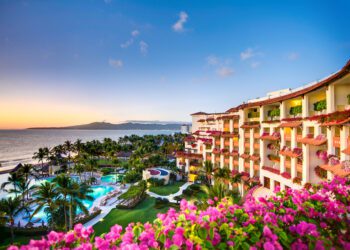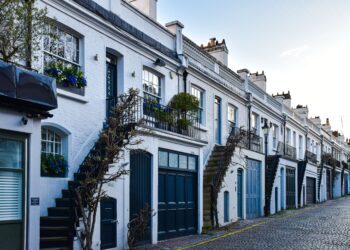
The global luxury real estate landscape is undergoing a profound transformation. What was once defined solely by “location, location, location” has evolved into a complex interplay of lifestyle curation, technological integration, and sustainable architecture. From London to New York, and most notably in the dynamic hub of Dubai, high-net-worth individuals (HNWIs) are redefining their expectations of what a luxury home should represent. This evolution is not just about opulent finishes but about a holistic vision of wellness, security, and prestige.
The Dubai Phenomenon: A Global Benchmark
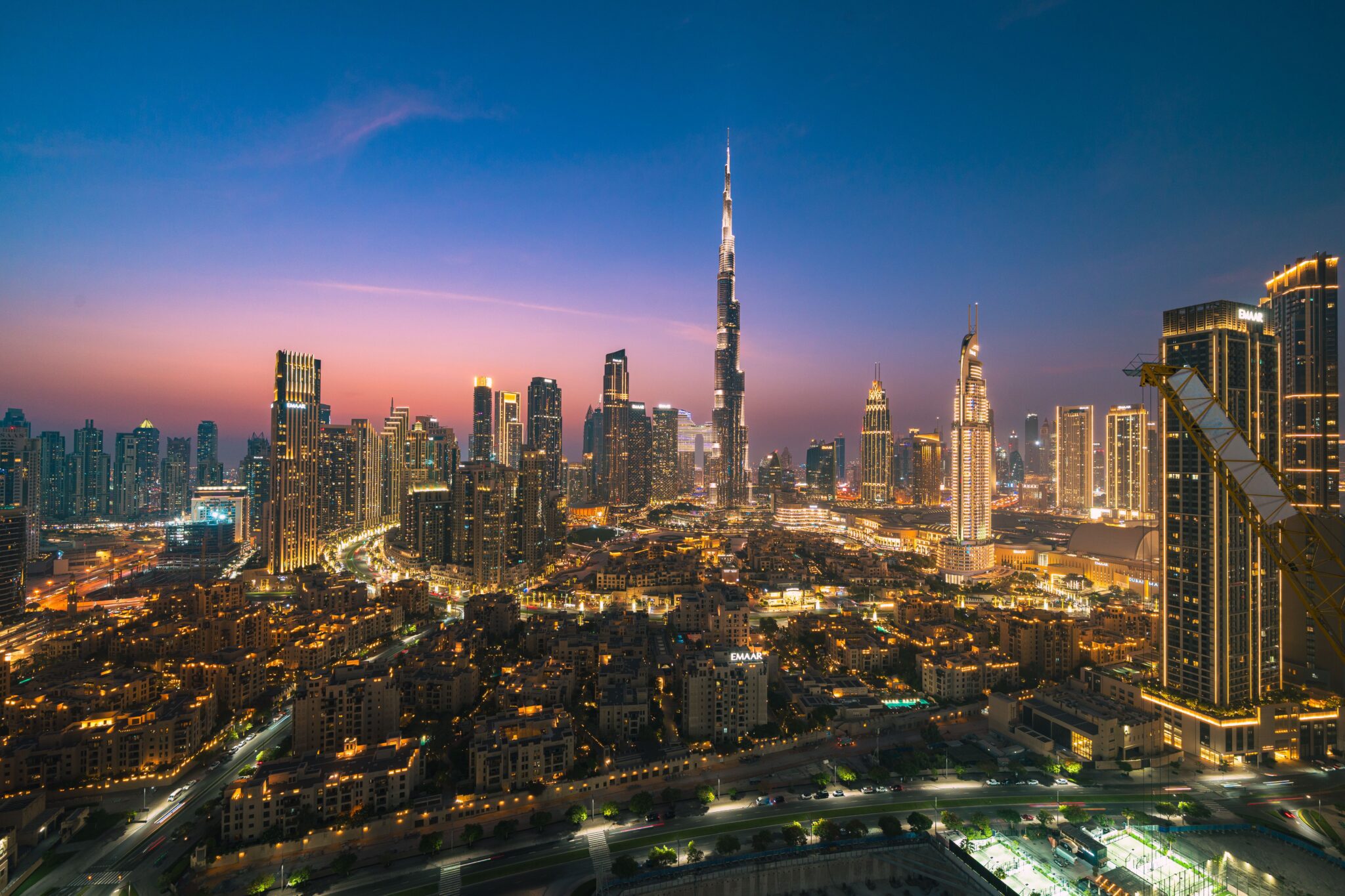
Dubai has emerged as an undisputed leader in the ultra-luxury segment, frequently breaking records for transaction volume and price-per-square-foot. The city’s ability to attract global capital is rooted in several strategic pillars: visionary governance, world-class infrastructure, and a tax-friendly environment that appeals to the global elite. Unlike many mature markets that face stagnation, Dubai continues to innovate, offering “trophy assets” that serve as both a lifestyle statement and a secure store of value.
The demand for premium properties in areas like Palm Jumeirah, Dubai Hills Estate, and Emirates Hills remains insatiable. Investors are increasingly looking for branded residences and bespoke villas that offer exclusivity and a sense of “living above it all”. This surge is further supported by the introduction of favorable visa policies, such as the 10-year Golden Visa, which has incentivized long-term residency and investment.
Key Trends Shaping the Global Market
Several macro-trends are currently dictating the direction of luxury real estate on a global scale:
The Rise of Branded Residences
Collaboration between elite real estate developers and luxury brands spanning fashion, automotive, and hospitality has become a hallmark of the modern luxury market. These projects offer a “lifestyle-in-a-box,” providing residents with the service standards of a five-star hotel combined with the privacy of a personal residence. In Dubai, developments like Binghatti new projects or Emaar new projects on Bayut exemplify this trend, blending iconic design with high-performance investment potential.
Wellness and Sustainable Luxury
Modern luxury is increasingly synonymous with health and sustainability. High-end buyers now prioritize features such as advanced air filtration systems, biophilic design elements, and LEED-certified construction. Communities like Al Barari in Dubai have set the standard for sustainable luxury, integrating lush greenery and eco-conscious architecture into the high-end residential experience.
The Integration of PropTech and AI
Transparency and data-driven decision-making are no longer optional in the luxury sector. Global investors rely on sophisticated PropTech tools to perform due diligence from afar. In the UAE, innovations like TruEstimate™ and TruBroker™ provide unprecedented market clarity, allowing buyers to validate property valuations and connect with vetted professionals.
Regulatory Shifts and Market Transparency
Transparency is a critical metric for global investors. Markets that implement robust regulatory frameworks, such as the Real Estate Regulatory Authority (RERA) in Dubai, foster a sense of security and trust. Landmark shifts, such as the 2026 property law in Saudi Arabia allowing non-nationals to own real estate in previously restricted areas, are also reshaping regional investment flows and attracting a new wave of international capital.
The Shift Toward “Experience-Driven” Real Estate
For today’s UHNWIs, a luxury home is more than a physical structure; it is an entry point into an exclusive ecosystem. This has led to the rise of organizations like the World Luxury Chamber of Commerce (WLCC), which provides its members with global credibility, strategic introductions, and access to premium market research. Membership in such elite networks signals a commitment to excellence and provides developers and brokerages with the external validation needed to attract global partners.
Investment Dynamics: Yield vs. Appreciation
While lifestyle remains a primary driver, the financial performance of luxury assets is under constant scrutiny. Investors are meticulously comparing rental yields and projected capital gains across different jurisdictions. In Dubai, the villa market has historically demonstrated strong capital appreciation, often outperforming apartments in high-demand, family-oriented communities. Meanwhile, emerging sectors like Grade-A office space in Riyadh are attracting institutional investors seeking high-yield commercial opportunities.
The evolution of luxury real estate marks a transition from a simple asset-based market to a sophisticated ecosystem defined by lifestyle curation, PropTech integration, and the rise of sustainable, branded developments. As global property markets continue to mature, the definition of prestige is increasingly tied to the seamless blend of architectural excellence and technological transparency. For investors and developers alike, navigating this new era successfully requires more than just capital; it demands a strategic blend of data-driven decision-making and a steadfast commitment to creating high-value, experience-centered environments that resonate with the aspirations of the modern global elite.
Frequently Asked Questions
How does the Golden Visa program specifically impact the luxury real estate market in Dubai?
The Golden Visa incentivizes long-term commitment by offering 10-year residency to those who invest AED 2 million or more in property. This has shifted the market from being purely speculative to one driven by end-users and long-term investors seeking stability.
What are the main benefits for developers joining the World Luxury Chamber of Commerce (WLCC)?
Membership provides developers with global brand validation, curated introductions to UHNW advisors and family offices, and access to exclusive market intelligence from partners like Knight Frank and KPMG.
How do PropTech tools like TruBroker™ enhance the buying experience for international investors?
TruBroker™ uses a badge-based system to verify the professionalism and responsiveness of agents. This builds trust for international buyers who cannot perform in-person vetting and ensures they are working with the market’s top-tier professionals.
Why is there a growing preference for branded residences over traditional luxury apartments?
Branded residences provide a “guaranteed” standard of quality and service associated with a globally recognized name. They often command higher rental yields and better resale value due to their perceived prestige and superior management.
What role does “biophilic design” play in modern luxury developments?
Biophilic design integrates natural elements such as indoor gardens, natural light, and water features directly into the architecture. It is increasingly sought after by luxury buyers who prioritize mental well-being and a connection to nature within their urban living environment.
How does the Dubai Land Department’s Smart Rental Index facilitate market transparency?
The Smart Rental Index uses AI and building-specific data to provide precise, real-time rental valuations. This ensures that both landlords and tenants have access to fair, data-backed pricing, reducing disputes and fostering a more stable investment environment.