Investing in commercial properties remains an excellent strategy for generating long-term wealth. This success is largely driven by the reliable rental revenue these spaces bring in, along with the steady growth of property values over time.
Statista backs this up with some massive numbers. In 2025, the global commercial real estate market was valued at over USD 38 trillion. North America held the biggest slice of that pie at more than USD 13 trillion.
But with a market that massive, competition is fierce. Because tenants and buyers have so many options, properties can easily blend into the background. To protect your investment and keep vacancies low, you have to give people a reason to choose your building over the one next door.
That is where smart design investments come in. This article breaks down the specific upgrades that will make your commercial property stand out and maximize your returns.
Curb Appeal for a Strong First Impression
First impressions are made long before a client or future tenant steps inside. This immediate judgment is exactly why investing in exterior aesthetics is so critical for commercial properties.
Clean facades, attractive landscaping, quality signage, and cohesive exterior finishes help communicate professionalism and attention to detail. Even relatively simple upgrades, such as modern entryways, architectural accents, or refreshed storefronts, can make a property feel more inviting and memorable.
Lighting is another important factor in creating a positive first impression. Well-designed exterior lighting enhances visibility, improves safety, and highlights architectural features after dark. The growing emphasis on efficient lighting solutions is reflected in market trends.
According to Grand View Research, the market for commercial and industrial LED lighting was valued at USD 58 billion in 2024. It is expected to reach USD 134.51 billion by 2033. Rising demand for energy-efficient products drives this growth.
Ultimately, properties that neglect these exterior design choices are easily overlooked, no matter how impressive the interior is.
Nature as a Design Statement
Landscaping plays a key role in shaping how people perceive a commercial property. More than just a decorative feature, greenery creates a welcoming atmosphere, improves visual appeal, and makes outdoor spaces feel more inviting. Elements like mature trees, well-maintained shrubs, and thoughtfully designed planting areas help soften architectural lines while demonstrating a commitment to property upkeep.
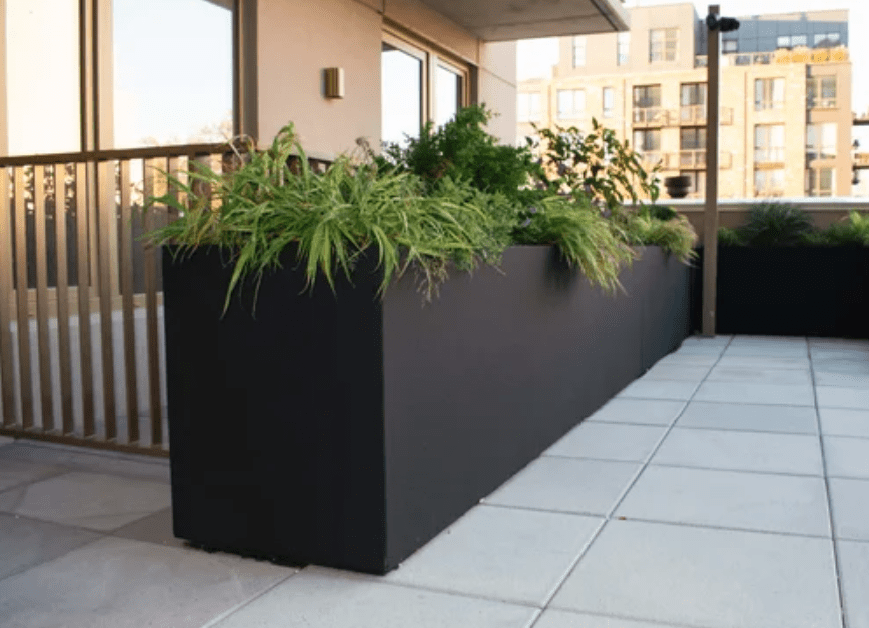
One of the most versatile ways to incorporate greenery is through custom-made planters. These solutions can be tailored to suit a property’s size, layout, and design style, making them suitable for entrances, walkways, courtyards, lobbies, and other high-visibility areas. Their flexibility allows property owners to introduce plants where traditional landscaping is not practical.
As PolyMade notes, commercial-size planters, indoor or outdoor planter boxes for wide-open areas, long planter boxes, anything is possible. Seasonal planting rotations within these installations keep the property feeling current and visually dynamic throughout the year.
Interior Environments That Retain Tenants
The interior of a commercial property speaks directly to the businesses occupying it. High-quality flooring, such as natural stone, combined with thoughtful lighting, sets the tone for every interaction within the building. Common areas like lobbies, corridors, and shared lounges are prime opportunities for strategic design investment.
Acoustic design is another silent but powerful advantage. Properties that invest in acoustic panels, ceiling baffles, or soft furnishings create comfortable, productive environments. Furthermore, curated art installations and branded graphics create a distinct identity that businesses are proud to associate with.
These thoughtful elements are essential in the modern real estate market. Jordan Goldstein and Elizabeth Brink, Co-CEOs of Gensler, predict that tenants will increasingly seek high-quality workplaces that inspire employees and support their professional goals. Investing in these premium interiors ensures long-term tenant retention.
Sustainable and Smart Design Features
Modern tenants actively seek commercial spaces that align with their sustainability values, driven by corporate environmental goals. Properties that invest in energy-efficient systems, green rooftops, and EV charging stations directly reduce operating costs. This shift is reshaping the industry.
According to Deloitte, to reach net-zero emissions by 2050, some real estate companies are integrating renewable energy and efficient construction into new builds. The World Green Building Trends report found that 34% of surveyed U.S. companies were already prioritizing green buildings. Another 46% expected to make them a focus within the next three years.
As sustainability and climate concerns gain greater attention worldwide, these priorities are increasingly influencing building design and development decisions.
Complementing this, smart building technology signals that a property is forward-thinking. Automated lighting, smart HVAC controls, and app-based management systems create seamless spaces. For tech-savvy companies, integrated building intelligence systems are often the deciding factor in a leasing decision.
Signage and Wayfinding as Essential Design Elements
Signage plays a much larger role in commercial properties than simply identifying locations. Well-designed wayfinding systems help visitors navigate a property with ease, reducing confusion and creating a more positive experience.
Clear directional signs, tenant directories, and accessibility-focused signage contribute to a professional environment while reinforcing the property’s overall design aesthetic. When signage is consistent in style, materials, and branding, it helps create a cohesive visual identity throughout the building.
Street-level monument signage is particularly important for multi-tenant properties, where visibility and tenant recognition are key considerations. Modern monument signs can enhance curb appeal while making it easier for visitors to locate businesses within the property.
Unlike outdated directory systems, contemporary signage solutions are designed to complement the architecture and strengthen the property’s brand image. As a result, investing in signage and wayfinding can improve functionality, enhance first impressions, and add long-term value to the property.
Frequently Asked Questions
Why is curb appeal important for commercial properties?
Curb appeal creates the first impression tenants, customers, and visitors have of a property. Features such as attractive landscaping, modern signage, updated entryways, and exterior lighting can enhance a building’s appearance and make it more competitive in the market. A well-maintained exterior also signals professionalism and effective property management.
How do custom-made planters benefit commercial properties?
Custom-made planters provide a flexible way to incorporate greenery into entrances, walkways, courtyards, rooftops, and interior spaces. They can be designed to complement a property’s architecture while helping define spaces, guide foot traffic, and create a more welcoming environment. Seasonal planting updates can also keep the property looking fresh throughout the year.
What sustainable features are most attractive to commercial tenants?
Many modern tenants prioritize sustainability-focused amenities such as energy-efficient lighting, EV charging stations, smart HVAC systems, and green building features. These investments can help reduce operating costs, support corporate ESG goals, and make a property more appealing to environmentally conscious businesses.
Key Figures Shaping Commercial Real Estate Design
| Global commercial real estate market value (2025) | Over $38 trillion |
| North America’s share of the global commercial real estate market (2025) | Over $13 trillion |
| Global industrial and commercial LED lighting market size (2024) | $58 billion |
| Projected industrial and commercial LED lighting market size (2033) | $134.51 billion |
| Projected CAGR of the industrial and commercial LED lighting market (2025-2033) | 9.6% |
| U.S. companies are actively focused on green buildings | 34% |
| U.S. companies planning to prioritize green buildings within three years | 46% |
Design plays a critical role in helping commercial properties compete in today’s market. Investments in curb appeal, landscaping, interior environments, smart technology, and effective wayfinding improve the overall experience for tenants, employees, and visitors.
These features can influence leasing decisions, strengthen tenant retention, and contribute to long-term property value. As expectations continue to evolve, businesses are increasingly drawn to spaces that combine functionality, comfort, and visual appeal. For property owners and developers, thoughtful design is not simply an aesthetic choice but a strategic investment that can deliver lasting returns for years to come.