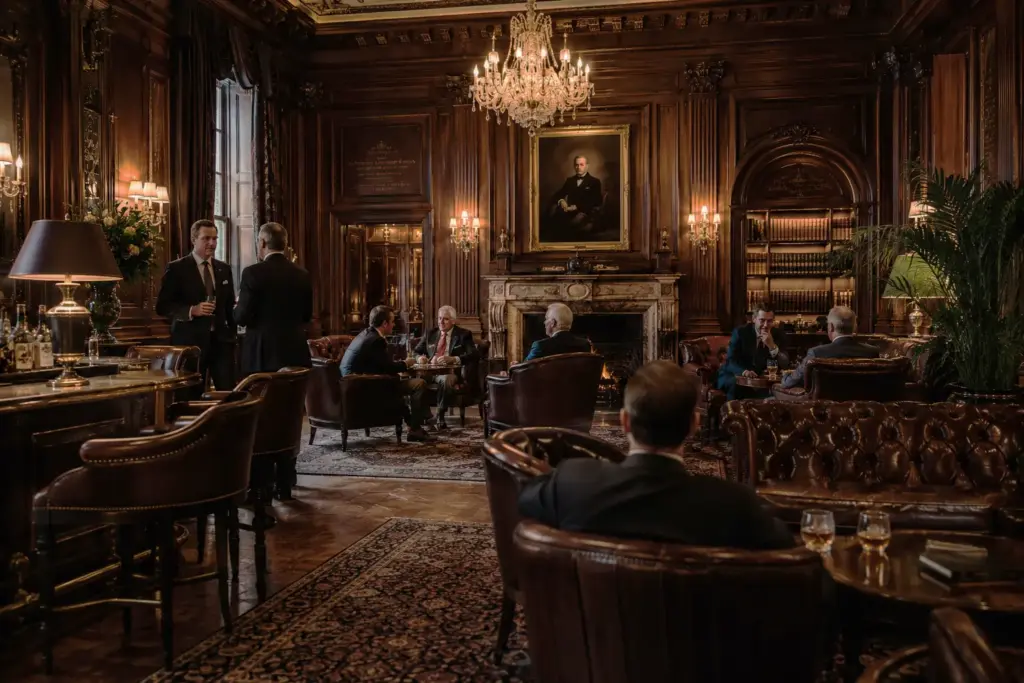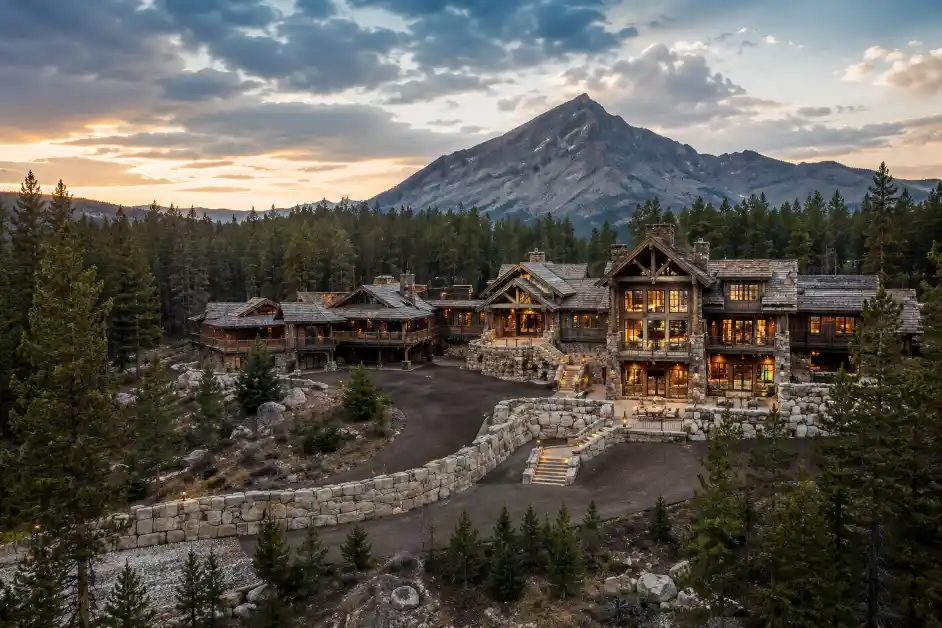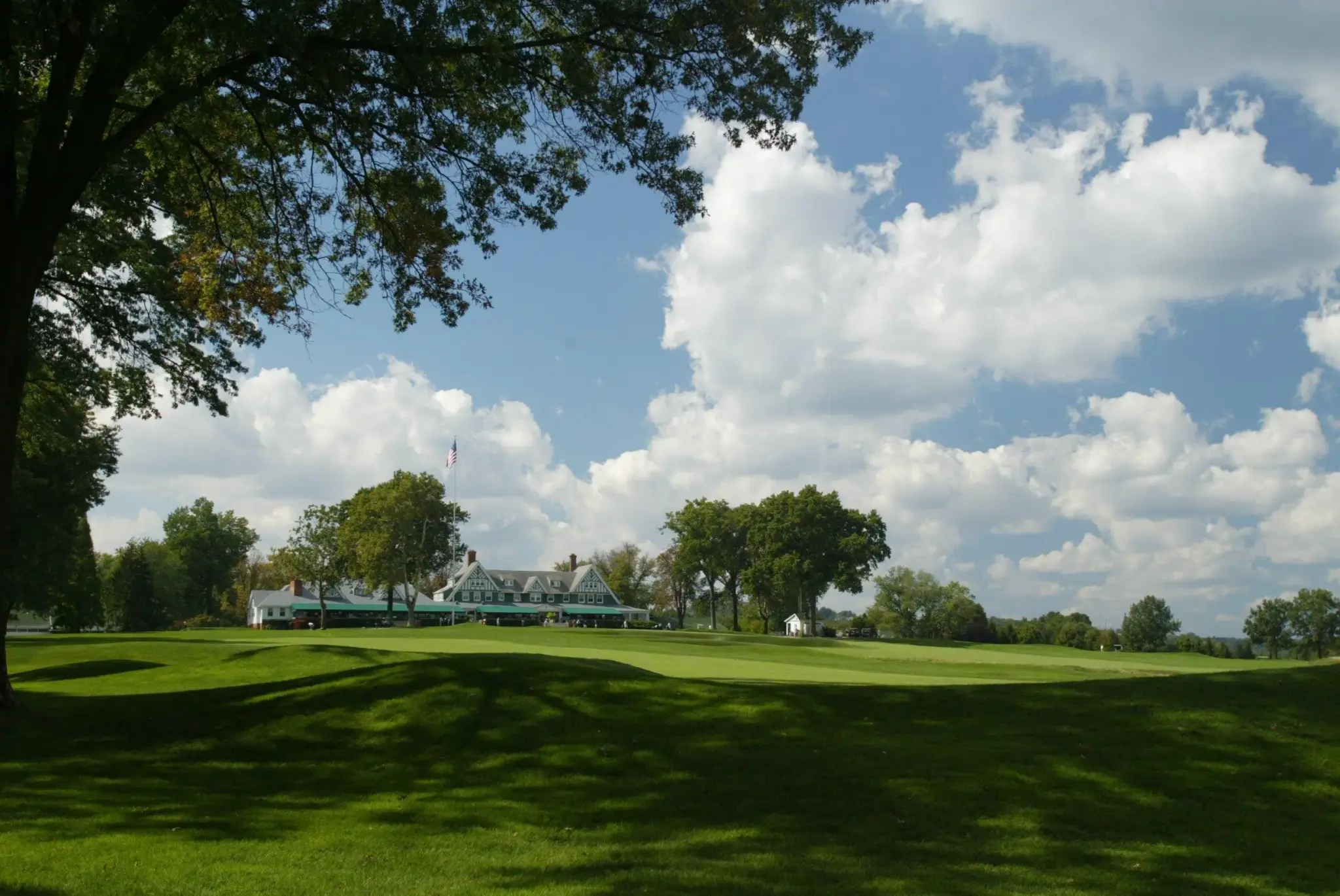
Across the United States, private country clubs have evolved far beyond simple golf venues. They have become centers of influence, relationship building, family tradition, and luxury living. For generations, these institutions have attracted leaders from business, finance, entertainment, politics, and professional sports, creating highly curated communities where privacy and prestige matter as much as recreation.
Today, the appeal of exclusive country clubs in America extends beyond championship fairways. Affluent individuals increasingly seek experiences that combine exceptional hospitality, trusted social networks, and long-term lifestyle value. As a result, many of the nation’s most respected clubs have become symbols of success that cannot simply be purchased—they must often be earned through reputation, sponsorship, or family legacy.
The enduring popularity of elite country club membership reflects a broader shift in the premium lifestyle market. Rather than public displays of wealth, many high-net-worth individuals prioritize privacy, exclusivity, and meaningful relationships. Meanwhile, the prestige associated with prestigious golf clubs America continues to grow as these institutions preserve traditions while adapting to modern expectations.
From invitation-only memberships to world-class amenities and iconic golf architecture, these clubs remain among the most sought-after status symbols in the luxury world.
What Makes the Most Exclusive Country Clubs in America So Prestigious?
The reputation of the most elite clubs is built upon a combination of history, scarcity, and exceptional standards. Unlike public golf facilities, many private clubs deliberately limit membership numbers to preserve intimacy and maintain an unparalleled member experience.
Invitation-only policies play a major role in defining exclusive country clubs in America. In many cases, prospective members require sponsorship from multiple existing members, extensive background reviews, and approval from membership committees. Consequently, admission becomes a mark of social and professional recognition rather than a straightforward financial transaction.
Several factors contribute to a club’s prestige:
- Limited membership capacity.
- Historic reputations spanning decades or even centuries.
- Renowned golf course architects and championship layouts.
- Elite social circles that include CEOs, athletes, and influential families.
- Strong traditions and carefully preserved club culture.
Moreover, many prestigious clubs have hosted major golf tournaments or have become associated with iconic moments in sports history. Their legacy adds another layer of exclusivity that newer facilities often struggle to replicate.
Why Do Billionaires and Executives Join Private Country Clubs?
For many affluent individuals, the attraction of a private club goes far beyond golf. These environments create opportunities to build trusted relationships in relaxed and discreet settings where business and social life naturally intersect.
Executives and entrepreneurs often value the networking opportunities available through elite country club membership. Informal conversations over dinner, on the golf course, or during private events can lead to valuable partnerships and long-term collaborations. However, unlike public networking events, club interactions develop gradually through repeated personal engagement.
Family tradition also plays a significant role. Many memberships pass from one generation to the next, allowing families to preserve social connections and shared experiences over decades. Additionally, clubs often provide youth activities, family dining, holiday celebrations, and recreational programs that strengthen their appeal.
Key motivations for joining include:
- Privacy and discretion.
- High-quality networking opportunities.
- Multi-generational family experiences.
- Access to premium recreational facilities.
- Membership in a trusted and influential community.
Therefore, the value proposition extends well beyond leisure, becoming part of a broader luxury lifestyle strategy.
| Club Feature | Luxury Benefit | Member Experience | Long-Term Value |
|---|---|---|---|
| Invitation-only access | Social prestige | Exclusive community | Lasting status |
| Championship golf | World-class recreation | Premium course conditions | Historic legacy |
| Private dining | Personalized service | Fine culinary experiences | Relationship building |
| Family amenities | Multi-generational engagement | Activities for all ages | Membership continuity |
| Business networking | Trusted professional circles | Private interactions | Strategic connections |
How Do Membership Requirements Reflect Exclusivity?
Scarcity has always been central to luxury branding, and country clubs are no exception. The most respected institutions intentionally create barriers to entry that reinforce their exclusive image.
Many clubs require candidates to secure sponsorships from existing members before an application is even considered. Meanwhile, membership committees may evaluate social compatibility, professional reputation, and long-term commitment to club culture. Consequently, joining can take years rather than months.
Financial requirements also contribute to exclusivity. While costs vary significantly, initiation fees at high-profile clubs can reach six figures, with annual dues adding substantial ongoing commitments. In addition, some clubs maintain lengthy waiting lists despite these expenses, highlighting the continued demand for elite membership opportunities.
Common membership requirements often include:
- Multiple member sponsors.
- Formal application and interview processes.
- Significant initiation fees.
- Annual dues and minimum spending commitments.
- Waiting lists that may last several years.
As a result, scarcity itself becomes a luxury feature, increasing the perceived value of membership.
Which Amenities Separate Elite Country Clubs From Ordinary Golf Clubs?
Modern luxury clubs compete by offering a comprehensive lifestyle experience rather than simply excellent golf. While championship courses remain the centerpiece, today’s members expect exceptional hospitality across every aspect of the property.
Many best private country clubs feature Michelin-inspired dining concepts, expansive wellness centers, luxury spas, indoor and outdoor tennis facilities, swimming complexes, and concierge-style services. Additionally, private event spaces host weddings, corporate gatherings, and charitable galas throughout the year.
Premium amenities commonly include:
- Championship golf courses designed by legendary architects.
- Fine dining restaurants and private wine programs.
- Full-service spas and wellness facilities.
- Tennis, pickleball, and aquatic recreation.
- Concierge assistance and personalized event planning.
Meanwhile, technology integration enhances convenience through digital reservations, smart locker systems, and member-exclusive mobile platforms. Nevertheless, clubs balance modernization with tradition to preserve their timeless appeal.
Why Are Historic Country Clubs Considered Cultural Icons?
Some of America’s oldest private clubs have become woven into the cultural and sporting history of the nation. Their grand clubhouses, meticulously maintained grounds, and architectural heritage reflect changing eras of American prosperity and social life.
Historic clubs have often hosted major championships, charity events, and influential gatherings involving business leaders and public figures. Moreover, many have served as community anchors, supporting philanthropy and local development through fundraising events and educational initiatives.
Their enduring significance stems from several factors:
- Architectural and historical preservation.
- Associations with legendary golfers and tournaments.
- Membership rosters featuring influential individuals.
- Strong traditions of philanthropy and civic engagement.
- Multi-generational legacy memberships.
In contrast to rapidly changing luxury trends, these institutions offer continuity and heritage, qualities that many affluent families deeply value.
| Amenity | Prestige Factor | Member Benefit | Luxury Appeal |
| Championship golf course | Elite sporting heritage | Exclusive access | Global recognition |
| Fine dining program | Culinary excellence | Private socializing | High-end hospitality |
| Wellness and spa center | Modern luxury lifestyle | Health and relaxation | Personalized service |
| Family recreation | Multi-generational engagement | Shared experiences | Legacy value |
| Concierge services | Individual attention | Convenience and privacy | Premium experience |
How Are Exclusive Country Clubs Evolving for Modern Members?
Although tradition remains important, the world’s leading clubs recognize the need to adapt. Younger entrepreneurs, technology executives, and globally mobile professionals increasingly seek experiences that blend exclusivity with flexibility.
Technology integration has become more common, with digital booking platforms, member apps, and advanced course management systems improving convenience. Additionally, sustainability initiatives such as water conservation, environmentally responsible landscaping, and energy-efficient facilities appeal to modern luxury consumers.
Emerging trends include:
- Expanded wellness and fitness programming.
- Family-focused events and educational activities.
- Eco-friendly golf course management.
- Enhanced digital member services.
- Flexible membership structures for younger professionals.
Consequently, clubs that successfully balance heritage with innovation position themselves for long-term relevance in a changing luxury market.
Why Are Exclusive Country Clubs in America More Than Just Golf Destinations?
The modern private club functions as a social ecosystem where relationships, hospitality, and community influence intersect. Golf may provide the setting, but the broader experience revolves around trust, exclusivity, and shared values.
Many members view club participation as an investment in personal and professional relationships. Informal conversations during a round of golf or private dinner often create stronger connections than formal meetings. Furthermore, the carefully curated nature of club communities fosters a sense of belonging that extends beyond recreational activities.
The importance of exclusive country clubs in America also reflects broader luxury trends. High-net-worth individuals increasingly prioritize access over ownership and experiences over material consumption. Therefore, membership becomes part of a sophisticated lifestyle built around privacy, reputation, and meaningful interaction.
Additionally, these clubs frequently support charitable initiatives, local cultural events, and educational programs, reinforcing their role as influential community institutions.
What Challenges Do Elite Country Clubs Face in the Future?
Despite their enduring popularity, private clubs face several challenges that will shape their future. Demographic shifts, changing consumer preferences, and evolving expectations require continuous adaptation.
Younger affluent professionals often expect greater flexibility and digital convenience, while traditional clubs have historically emphasized strict customs and formal procedures. Meanwhile, discussions around diversity and inclusivity continue to influence membership policies and organizational culture.
Key future challenges include:
- Adapting to changing demographics.
- Meeting evolving luxury expectations.
- Integrating technology without losing tradition.
- Navigating debates around inclusivity.
- Managing rising operational and maintenance costs.
Nevertheless, the strongest clubs have repeatedly demonstrated an ability to evolve while protecting the exclusivity that defines their identity.
What Does the Future Hold for Exclusive Country Clubs in America?
The future appears promising for the nation’s most prestigious private clubs. As wealth creation continues across industries such as technology, finance, healthcare, and entrepreneurship, demand for exclusive social environments remains strong.
Luxury experiences increasingly center on privacy, authenticity, and relationship building. Consequently, exclusive country clubs in America are well positioned to serve the next generation of affluent families seeking carefully curated communities and premium lifestyle opportunities.
Digital enhancements, sustainability initiatives, and expanded family programming will likely shape the next era of club development. However, the core values of exclusivity, tradition, and exceptional service will remain unchanged. The combination of championship golf, world-class hospitality, and influential social networks ensures that these institutions continue to represent one of the highest expressions of American luxury living.
Frequently Asked Questions
What are exclusive country clubs in America?
Exclusive country clubs in America are private membership institutions that combine championship golf, luxury amenities, fine dining, and highly selective admission processes. Many operate through invitation-only or sponsor-based membership systems.
How much does membership cost at elite country clubs?
Costs vary widely. Initiation fees can range from tens of thousands to several hundred thousand dollars, while annual dues and spending minimums add to the overall investment.
Why are some country clubs invitation only?
Invitation-only policies help preserve exclusivity, maintain community culture, and ensure that new members align with the club’s values and traditions.
Who belongs to luxury country clubs?
Members often include entrepreneurs, CEOs, professional athletes, celebrities, investors, legacy families, and other affluent individuals who value privacy and premium experiences.
What amenities do exclusive country clubs offer?
Luxury clubs commonly provide championship golf, fine dining, wellness centers, spas, tennis facilities, swimming complexes, family activities, and concierge-level services.
How long are waiting lists for prestigious clubs?
Waiting periods vary by club, but some highly sought-after institutions maintain waiting lists that extend for several years due to limited membership availability.
Are country clubs only for golfers?
No. While golf is a central attraction, many members primarily join for networking, dining, wellness facilities, family activities, and social events.
Why are private golf clubs so expensive?
Private clubs invest heavily in course maintenance, personalized service, premium amenities, and exclusive experiences while limiting membership numbers to preserve quality.
What makes a country club prestigious?
Historic reputation, invitation-only access, championship golf, influential membership, luxury amenities, and strong traditions all contribute to a club’s prestige.
Are exclusive country clubs in America still growing in popularity?
Yes. Rising interest in private, curated luxury experiences and relationship-focused communities continues to increase demand for elite country club memberships.