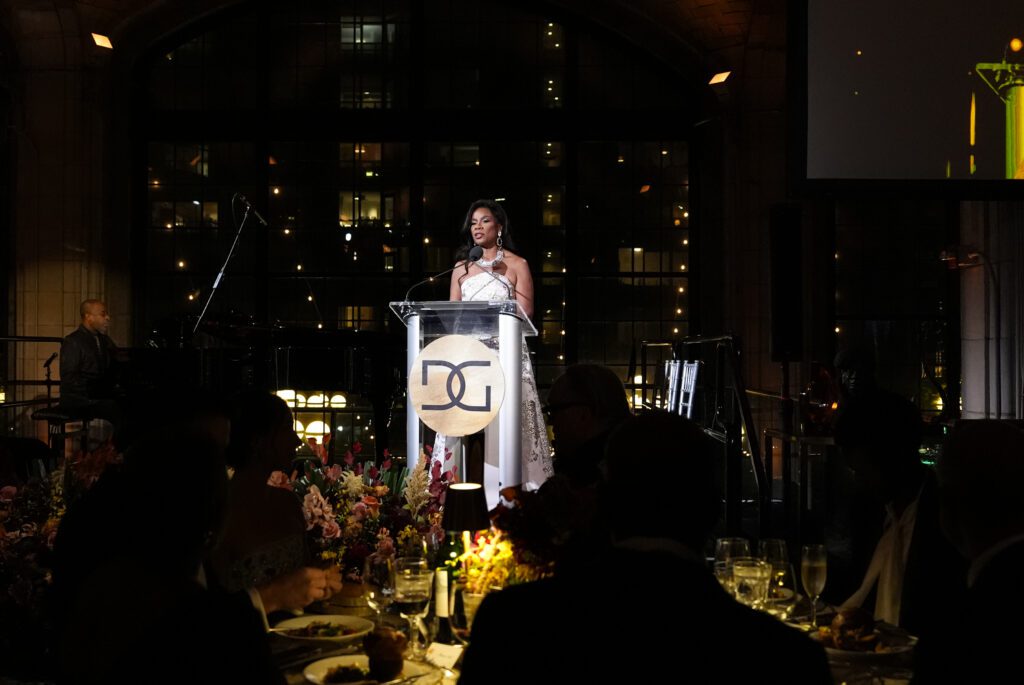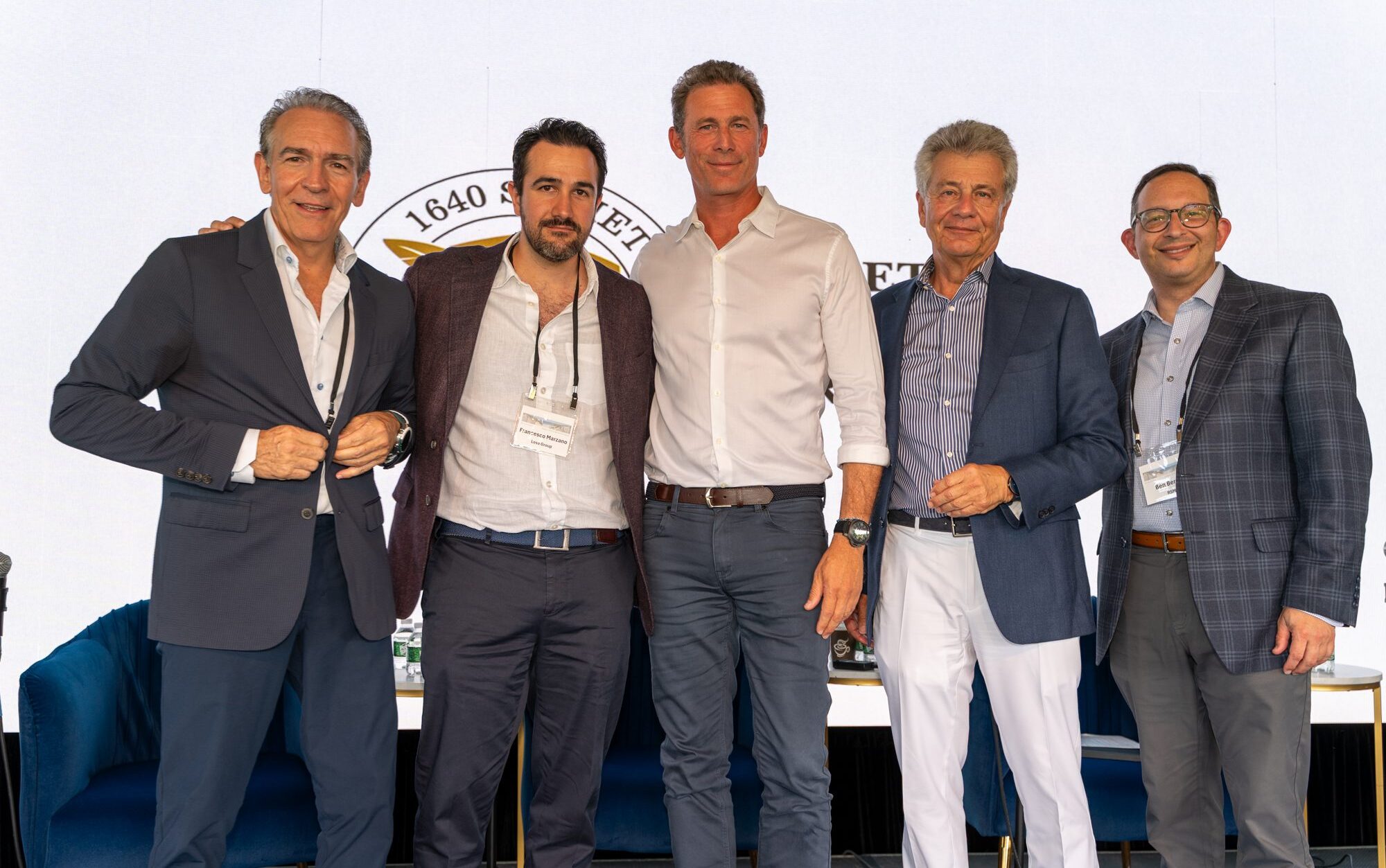
Global family office principals, CEOs, CIOs, billionaires, and C-level executives gathered in the Hamptons for the 1640 Society Family Office Wealth Forum, an invitation-only event limited to a select group of participants. Held in a private setting, the Forum convened prominent families and investors from across the United States, Europe, Latin America, and the Middle East, many of whom arrived via private aircraft. The 1640 Society serves as a global exchange for influential multigenerational families and private capital allocators, offering a platform for strategic dialogue and cross-border investment insights. The annual Hamptons forum brings together a curated group of wealth owners, heirs, and senior decision-makers for private, off-the-record discussions on global markets, governance, legacy, and the shifting dynamics of ultra-high-net-worth capital.
The Forum began Sunday evening, August 10, with a private gathering where Stephen Ross, CEO & Chairman, Related Ross, Founder & Chairman, Related Companies, & Owner of the Miami Dolphins, delivered a special presentation, setting the tone for the weekend with remarks on long-term vision, investment, and the future of American growth.
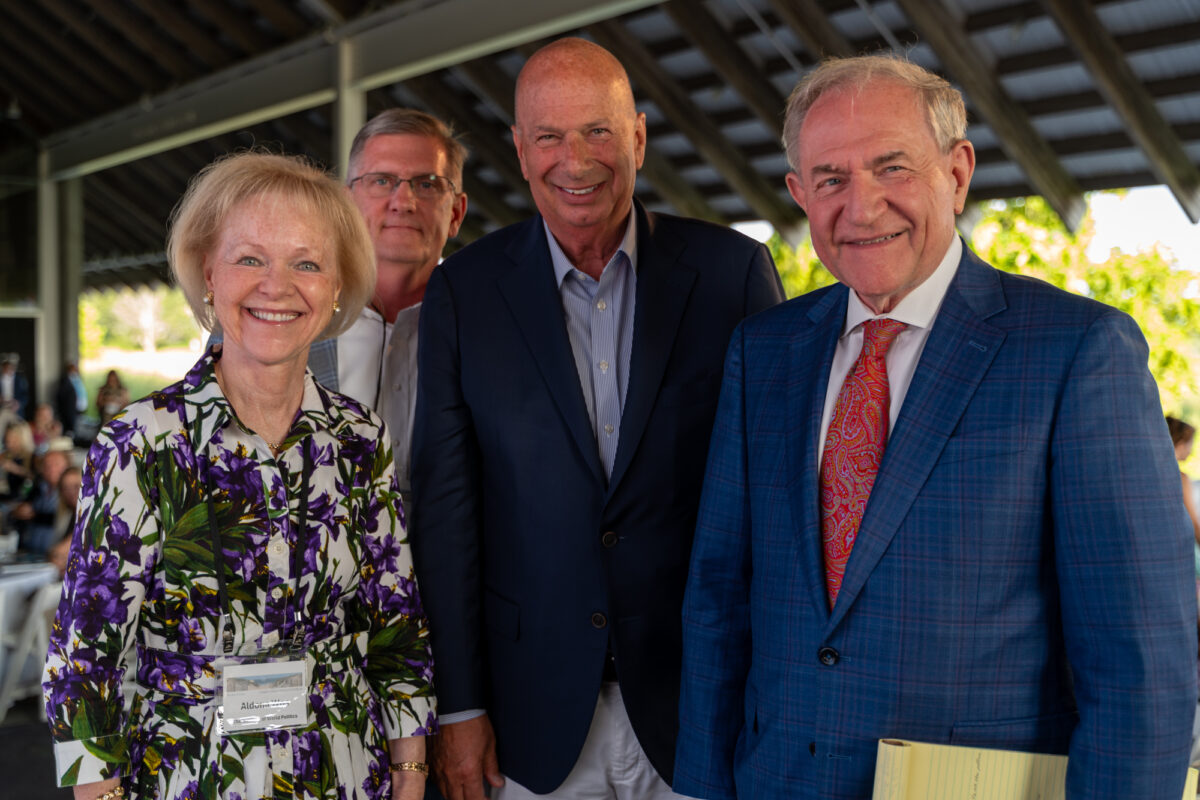
The 1640 Society Family Office Wealth Forum opened on Monday, August 11, with welcoming remarks from family office and investment leaders. What followed was a day of dynamic, high-level discussions led by global business icons, policymakers, entrepreneurs, and next-generation wealth stewards.
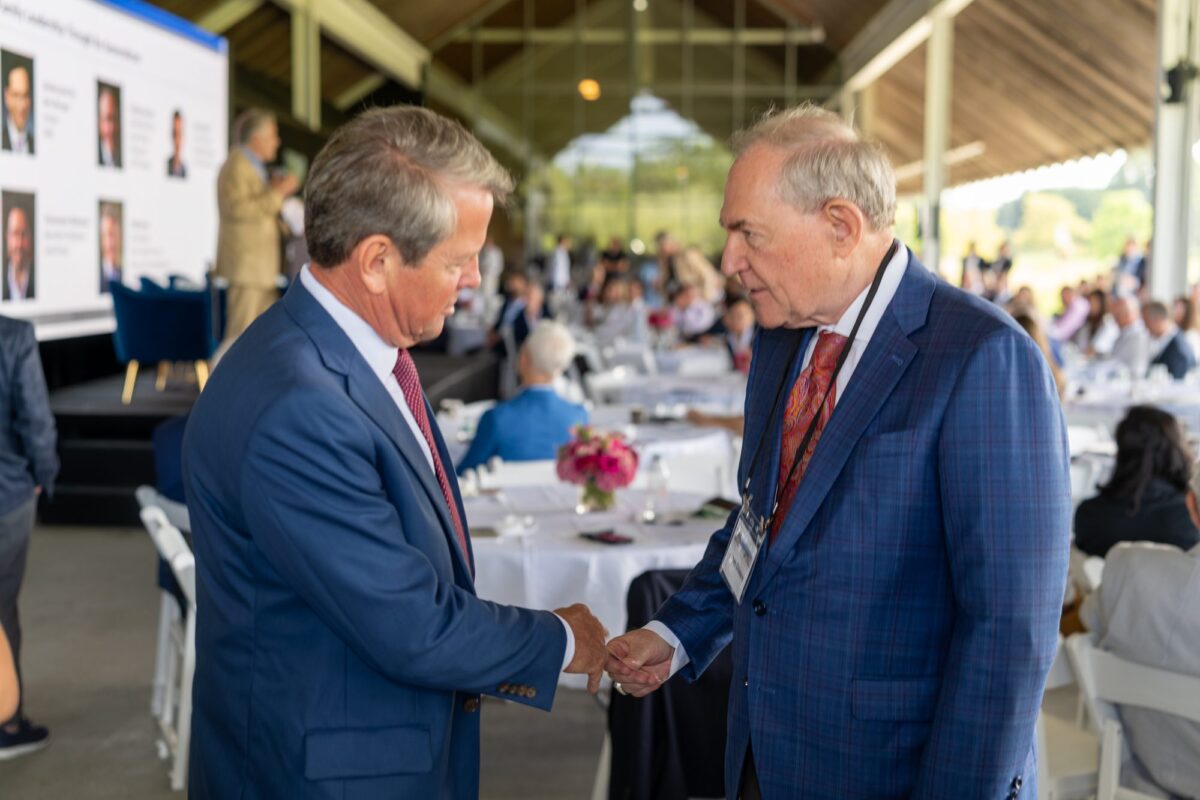
One of the most anticipated sessions featured Governor Brian Kemp of Georgia, who spoke on economic leadership, America’s competitive edge, and the vision for energy, AI, and technology. His remarks resonated strongly with many in the audience, particularly those focused on where capital, innovation, and policy are converging to define the next wave of opportunity.
Energy emerged as one of the dominant themes of the day. A standout session brought together two major global energy billionaires for a discussion on global demand, infrastructure, and the role of private capital in shaping the future of the sector. The pairing of U.S. and Latin American perspectives added a distinct international dimension to one of the Forum’s most compelling conversations.
The day also featured notable voices across private markets, innovation, philanthropy, and family leadership. Venture capital pioneer Tim Draper joined a discussion on bold bets in AI, longevity, and world-changing technology, while multigenerational family office leaders explored leadership across generations and the responsibilities that come with preserving and growing legacy capital. Airbnb leader and investor Joe Gebbia and business leader Ken Lipper discussed philanthropic impact while Johnny Damon and Michael Kidd Gilchrist discussed navigating success after winning world series championships. The evening ended at the private estate of one of the families attending who had custom built a baseball field at his home with families hitting baseballs under the moonlight until after midnight.
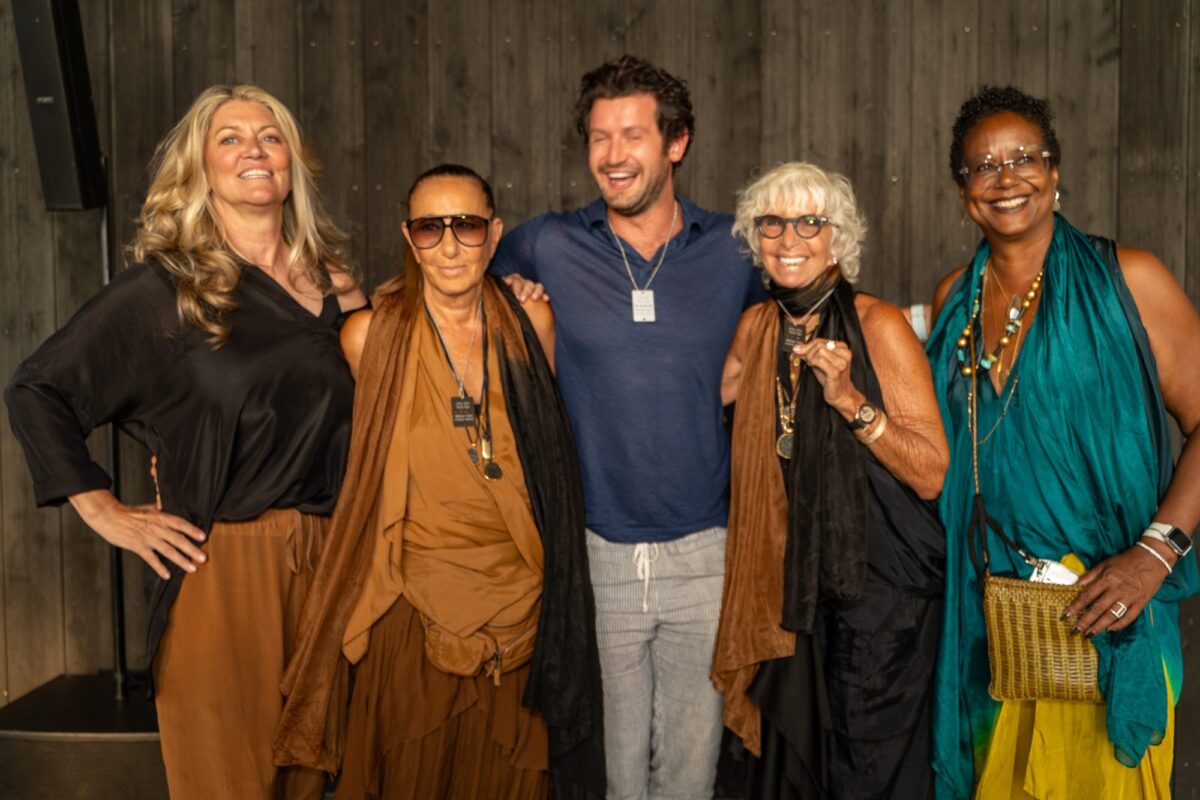
Later in the day, conversations turned to geopolitics, diplomacy, and global stability, followed by a session with Donna Karan, who spoke on purpose, healing, style, and social impact. The Forum concluded with a keynote by Barry Sternlicht, Chairman and CEO of Starwood Capital Group, who shared his perspective on investing through cycles and navigating a shifting global economy.

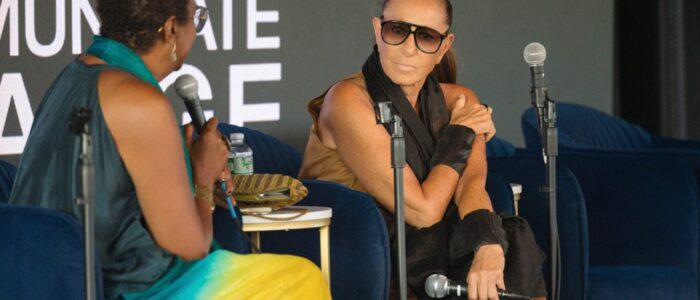

Conversations at the Forum were as diverse as they were intriguing, ranging from energy and artificial intelligence to philanthropy, governance, private markets, and legacy planning. As with all 1640 Society gatherings, some of the most meaningful exchanges happened beyond the stage, where families and investors continued discussions throughout the day and into the evening. The day ended with guests mingling over cocktails.
With many of the most influential families and investors in attendance, admission to the 1640 Society Family Office Forum remains highly selective. Structured more like a private investment club than a typical conference, the Society implements a rigorous vetting process, approving only a limited number of families each year from a much larger pool of applicants.