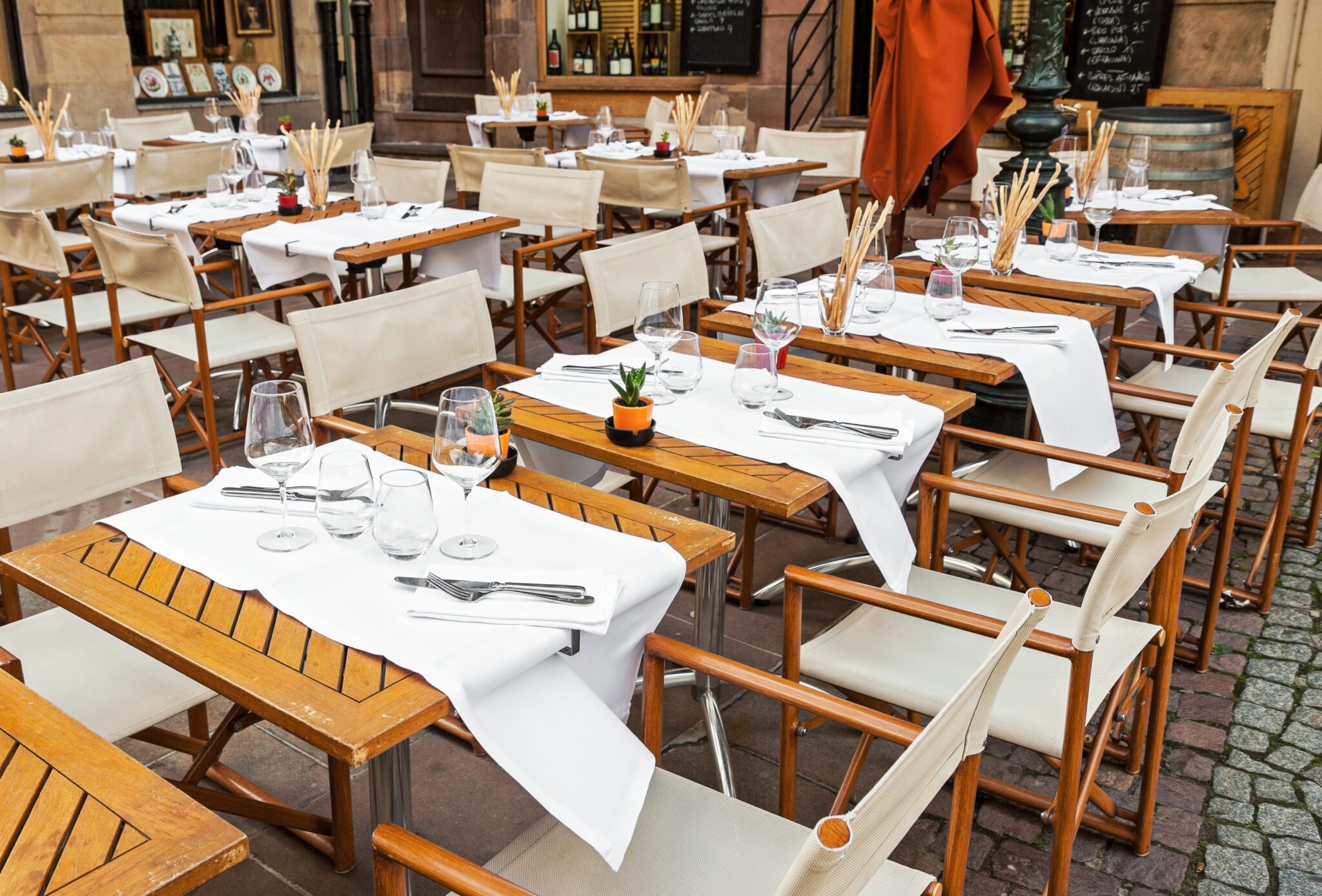
Walk into any restaurant, deal with an experienced investor and watch where their eyes go. Not the dining room, not the kitchen, not the wine list. They drift to the window, then to whatever sits on the other side of it. The sidewalk, the courtyard, the flat patch of asphalt nobody else saw as anything but parking.
That patch is where the most interesting return in the building usually hides. Before an operator pours money into a slick interior, the move that compounds is securing commercial outdoor furniture that turns dead exterior square footage into paying seats. The investor runs that calculation first, because outdoor capacity is one of the highest-margin moves a restaurant can make, and the next decade of dining is leaning further outside, not back in.
The Capacity Question Comes Before Aesthetics
Indoor seating is largely fixed the day the lease is signed. The walls are where they are, the egress paths are set, and the room holds what it holds. Outdoor space is the rare lever an operator can still pull after the build, which is why a sharp investor prices it before anything decorative.
The numbers behind that instinct are blunt. A well-planned patio can add 25 to 50 percent more seats to a footprint that started at 100 indoor covers, and it does so without touching the existing dining room. That is capacity created from space that was already on the lease, earning nothing.
Revenue Per Square Foot Tells the Real Story
Investors do not think in seats; they think in revenue per square foot, and outdoor seating tends to win that metric. Most layout guides budget roughly 10 to 12 square feet per diner indoors, and a patio holds to similar math while carrying almost none of the fixed overhead the interior absorbs.
The top-line lift is where it gets persuasive. A patio can raise overall revenue by as much as 30 percent in the right climate, and a notable example circulating in the trade shows that a $200,000 outdoor investment can lift annual sales by roughly $500,000. Few interior renovations promise a return shaped like that.
A Floor Plan That Earns Outside the Walls
The discipline that makes indoor seating work applies just as hard outside. A patio crammed past comfort feels like a waiting room, and one laid out generously leaves money on the table. The floor plan is where capacity and comfort get reconciled, and getting it right outside is the same craft as getting it right inside.
A few constraints set the boundaries of any honest outdoor plan:
- Aisles and egress paths that stay clear when every seat is full.
- ADA clearances that hold during a packed weekend rush.
- Spacing that lets servers move without turning sideways.
- Furniture sized to the space rather than crammed to inflate the count.
Respect those, and the patio still typically adds a meaningful block of seats. Ignore them, and the capacity exists on paper but collapses in practice.
Why the Furniture Choice Is a Financial One
The investor’s enthusiasm only survives contact with the weather if the furniture does. Outdoor seating lives in a harsher world than the dining room, taking sun, rain, temperature swings, and in many markets, salt air. Furniture that cannot take it turns a capacity gain into an annual replacement bill.
This is why the spec sheet matters as much as the spreadsheet. Commercial-grade outdoor pieces built from corrosion-resistant materials hold their value across seasons, while residential patio furniture fails quickly and erodes the margin the patio was supposed to add. The right material choice is not a design preference; it is the difference between an asset and a recurring expense.
The Season Is Longer Than It Looks
A common objection to outdoor math is the calendar. In a cold market, the patio sits empty half the year, so the skeptic discounts the whole return. The forward-looking operator answers that objection with infrastructure: heaters, shade, and increasingly, enclosures that stretch the usable season well past summer.
Each reliable extra day of outdoor service drops nearly straight to the bottom line, because the space is already paid for. Twenty-four added seats, turning over a couple of times across a longer season, compound into six figures of gross in a way that surprises owners who only pictured July. The patio is not a summer amenity. It is a year-rounder waiting for the right equipment.
The Square Footage Everyone Else Walked Past
Stand on that overlooked patch of exterior again and picture it full at seven on a Friday. That is the image the investor saw on the first walkthrough, while everyone else was admiring the bar. The interior is where the brand lives. The outdoor seats are where a surprising share of the profit gets made.
The next step for operators is to stop treating the patio as overflow and start treating it as primary capacity, planned and furnished with the same seriousness as the dining room. The space was always there. The math was always favorable. The only question left is whether the furniture out there can carry the return long enough for collection.
Photo by depositphotos