Smart property investments extend far beyond monthly cash flow. True wealth accumulation relies on strategic renovations that directly increase your asset value. High-net-worth investors focus on projects that deliver measurable equity growth and long-term market advantages.
Choosing the right projects prevents wasted capital on low-return cosmetic fixes. This guide breaks down the top capital improvements designed to maximize your portfolio value.
Focusing on High-ROI Upgrades
Every dollar spent on property renovation must serve a distinct financial purpose. Some structural upgrades yield surprisingly high returns that outpace traditional luxury renovations. A prominent wealth lending guide highlighted that garage door replacements achieved an impressive 268% return on investment in 2026.
This data demonstrates that functional durability often outvalues pure aesthetics in modern real estate valuations. Investors should track these shifting trends to allocate their renovation budgets efficiently.
Modern garage systems provide superior thermal barriers for the entire structure. Reduced energy demands decrease climate control expenses for multifamily properties or commercial holdings. Higher building efficiency translates directly into lower operating cost ratios. These optimizations raise net operating income and boost absolute portfolio valuations.
Maximizing Structural Improvements
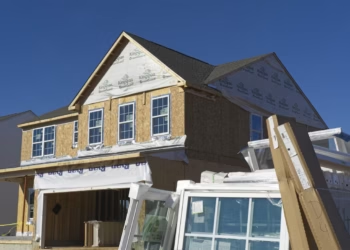
Property owners often overlook core structural systems when planning equity growth. Coordinating with local roofing contractors helps secure the structural envelope of your property before minor leaks cause catastrophic damage. Severe weather events can quickly compromise a weakened building exterior. Maintaining the physical integrity of an asset protects your underlying equity from sudden depreciation.
Proactive management keeps your asset in peak marketable condition. Deferred roof repairs create compounding financial damage throughout the lower floors. Water infiltration triggers wood rot and severe degradation of interior finishes.
Resolving these preventable structural issues long before marketing a property preserves your negotiation leverage. Protecting the primary structural integrity maintains high valuation baselines.
Timing the Roof Replacement Market
Replacing a building cover represents a substantial capital investment that requires precise timing. Executing this upgrade at the correct moment drastically increases resale value. An industry study revealed that a complete roof replacement delivers the largest market value boost when the current system approaches the end of its useful life or fails standard inspections.
Waiting until active failure occurs destroys interior equity and increases total repair expenses. Savvy investors monitor asset lifespans to execute renovations ahead of market listings.
Newer building coverings provide long warranties that transfer smoothly to subsequent buyers. This insurance security decreases risk profiles for incoming institutional buyers. Reduced asset risk profiles lower capitalization rates, and drive acquisition offers upward. Timely exterior updates preserve peak exit valuations.
Defining Capital Improvements for Wealth Generation
Understanding the distinction between routine maintenance and value-adding improvements is critical for tax optimization. Routine repairs simply maintain the current state of a building. A top real estate accounting platform defined a capital improvement as a permanent structural addition or restoration that boosts property value, prolongs asset life, or adapts the space for new uses.
These strategic investments can be capitalized, decreasing future capital gains tax obligations when you sell the asset. High-net-worth individuals leverage these definitions to maximize long-term wealth retention.
Applying proper accounting classifications protects your corporate real estate yields. Depreciation schedules transform necessary physical work into active tax shelters. Consult property accountants to separate simple tenant repairs from true structural improvements. Proper documentation preserves thousands in distributable cash flow.
Elevating Curb Appeal and Property Class
First impressions heavily influence building appraisals and buyer psychology. High-value exterior updates change how appraisers perceive the asset class. Certain visual modifications offer reliable equity gains:
- High-quality exterior siding upgrades
- Modern low-energy window installations
- Professionally designed low-maintenance landscaping
These updates immediately elevate the perceived class of your investment portfolio. Premium finishes justify higher lease rates and attract stable, long-term tenants. Strong curb appeal commands premium pricing during compressed market sales cycles.
Long-Term Equity Protection Strategies
Asset protection requires continuous monitoring of local building standards and regional climate risks. Modern building codes change frequently – requiring periodic upgrades to maintain compliance. Upgrading your building systems reduces insurance premiums and mitigates operational risks.
Modernized properties withstand market downturns far better than neglected assets. Allocating capital to these high-performing systems solidifies your position in competitive markets.
Advanced building systems feature durable materials designed to lower long-term maintenance cycles. Lowering maintenance frequencies yields predictable annual spending baselines. Investors enjoy superior portfolio stability and protected cash flows during economic shifts. Structural longevity underpins sustainable real estate wealth.
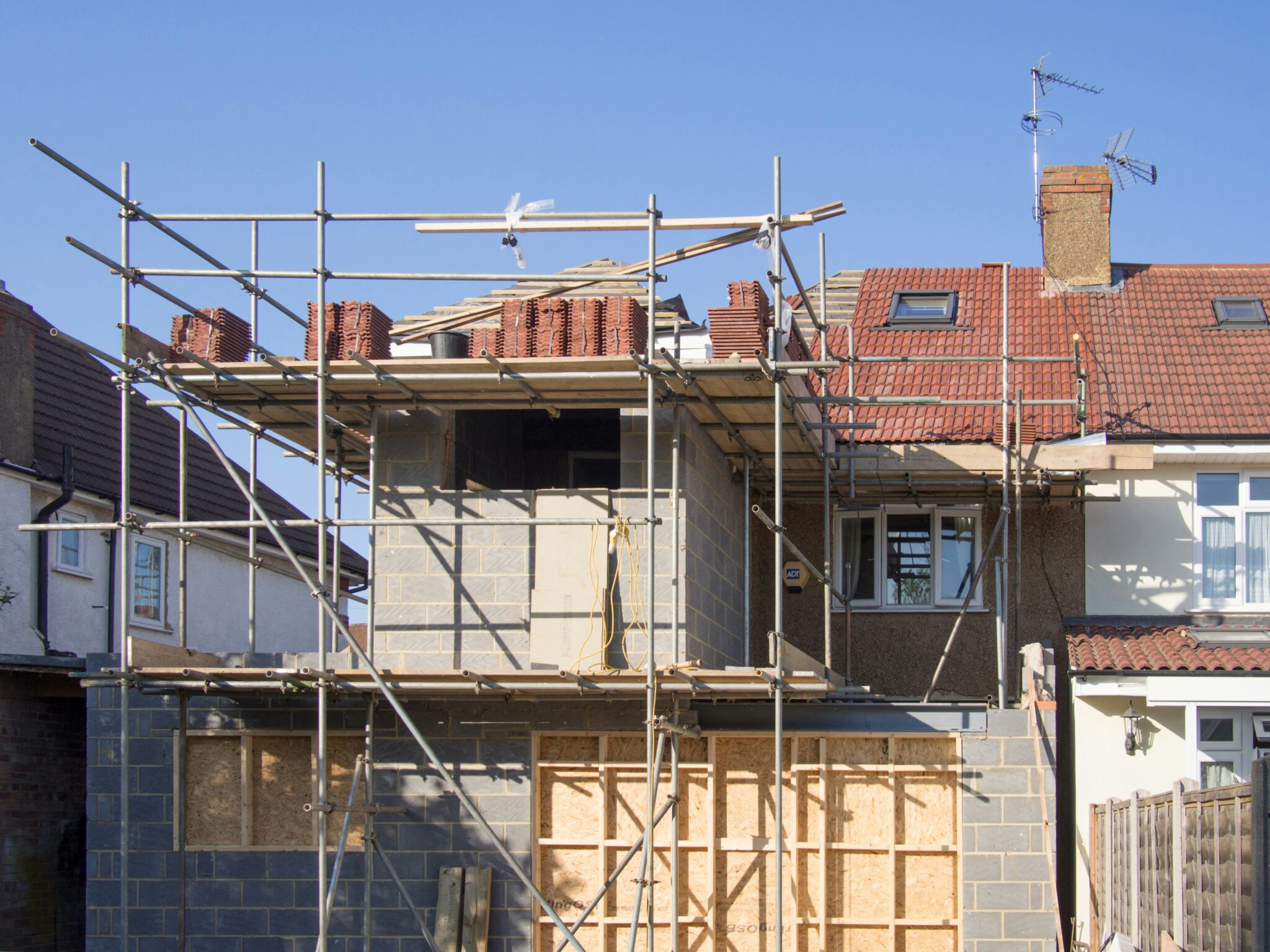
Strategic property updates transform ordinary real estate into high-performing wealth vehicles. Focusing capital on high-yield structural upgrades provides a reliable path toward accelerated equity growth. True wealth creation requires balancing functional resilience with smart financial planning.
Tracking market trends and maximizing tax-advantaged improvements keeps your portfolio ahead of inflation. Protecting your capital foundations secures consistent asset appreciation for decades to come.