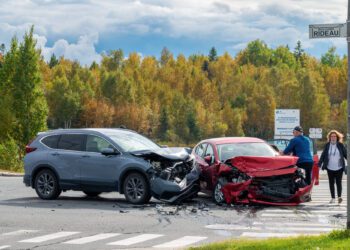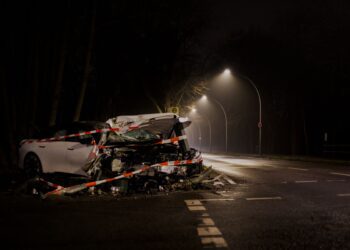
Driving down a long, uninterrupted stretch of road might seem like the easiest type of travel, but this deceptively peaceful environment hides a significant threat to motorist safety. Long, straight roads put the brain in autopilot. No need to steer, no need to brake, exhaustion creeps in quickly, and the peaceful drive can become dangerous in seconds. As heavy eyelids take over and reaction times plummet, the likelihood of a devastating high-speed collision dramatically increases. Victims caught in the destructive aftermath of these entirely preventable crashes often face overwhelming medical bills and confusing insurance claims, which is precisely when consulting a qualified highway accident lawyer becomes an essential step in securing fair compensation and navigating the complex legal recovery process.
How Highway Hypnosis Accelerates Driver Fatigue
“Highway hypnosis” hits when miles of empty road put you in a daze. Without stoplights or traffic to keep you sharp, your mind drifts, and your body naturally craves sleep. The repetitive sensory environment is very good at putting the brain into a deep state of relaxation that’s really difficult to shake off by just rolling down a window or turning up the radio. Comprehensive evaluations of severe sleep deprivation continually show that losing only a few hours of sleep impairs a driver’s judgment and coordination as much as being legally intoxicated. Straight roads and cruise control trick tired drivers into feeling completely safe. By the time they notice the warning signs—like heavy yawning, blurry vision, or hitting the rumble strips—it’s usually too late to avoid a crash.
The Deadly Physics of Uninterrupted Speed
Falling asleep on the highway is far deadlier than in city traffic. Because interstates are built for high speeds, the sheer force of a crash is devastating. If a fatigued driver experiences a “microsleep”—a brief, involuntary episode of unconsciousness that can last anywhere from a fraction of a second to thirty seconds—the consequences are mathematically terrifying. A vehicle traveling at seventy miles per hour will run the length of a football field in roughly four and a half seconds. During that blind interval, the sleeping driver makes zero steering corrections and applies absolutely no braking force. When the inevitable impact finally occurs, whether it involves rear-ending a commercial semi-truck or drifting off the embankment into a tree, the energy transferred is catastrophic. The resulting injuries from such unmitigated high-speed collisions are often life-altering, highlighting exactly why open roads leave zero margin for error when exhaustion sets in.
Why the Warning Signs Disappear on Rural and Interstate Roads
The open road dangerously hides your exhaustion. While stop-and-go city traffic constantly tests your reflexes, a long, empty highway tricks you into thinking you’re perfectly fine. But the wide lanes and gradual turns of a rural interstate offer a false sense of security, making drivers think they can easily push through their fatigue, since the driving task appears inherently less demanding. Federal traffic crash assessments reveal that these quiet roads are, in fact, hot spots for severe sleep-related crashes. Drivers frequently gamble, promising to pull over at the next exit, only to discover it’s miles away. With no safe place to stop, tired drivers remain behind the wheel long past when they should have stopped.
Staying Awake and Protecting Your Future
To avoid these crashes, drivers must take exhaustion seriously. Plan ahead, share the wheel with a passenger, and pull over the second your eyes get heavy. Unfortunately, despite taking necessary precautions, innocent motorists still find their lives upended when sharing the pavement with someone who selfishly pushed past their limits and fell asleep at the wheel. When that negligence shatters your physical and financial well-being, partnering with a dedicated highway accident lawyer is vital to hold the careless driver accountable. A lawyer fights for what you’re owed—covering both immediate bills and future costs—so you aren’t stuck paying for someone else’s terrible mistake.