For decades, Pakistan remained one of the world’s most misunderstood travel destinations. However, the story is changing rapidly. In 2026, international travelers are increasingly choosing to visit Pakistan for experiences that combine dramatic mountain landscapes, rich cultural traditions, historic cities, and extraordinary hospitality. As global tourism shifts toward authentic destinations, Pakistan has emerged as a compelling alternative to overcrowded tourist hotspots.
From the towering peaks of northern Pakistan to the bustling streets of Lahore and Karachi, the country offers remarkable diversity within a single journey. Travelers can drive along the legendary Karakoram Highway, explore ancient archaeological sites, sample regional cuisines, and engage with communities that welcome guests with genuine warmth. Moreover, Pakistan provides exceptional value for money compared to many established tourism destinations.
Adventure seekers are drawn by world-class trekking opportunities and some of the highest mountains on Earth. Meanwhile, cultural travelers discover centuries of history reflected in forts, shrines, mosques, and living traditions. Luxury tourism is also expanding, with boutique hotels, mountain resorts, and curated travel experiences becoming increasingly available.
As curiosity about South Asia continues to grow, Pakistan tourism 2026 reflects a broader global desire for meaningful travel experiences. Whether visitors seek mountain expeditions, heritage exploration, road-trip adventures, or cultural immersion, Pakistan delivers an unforgettable journey that combines authenticity, beauty, and discovery.
1. The Stunning Beauty of Northern Pakistan
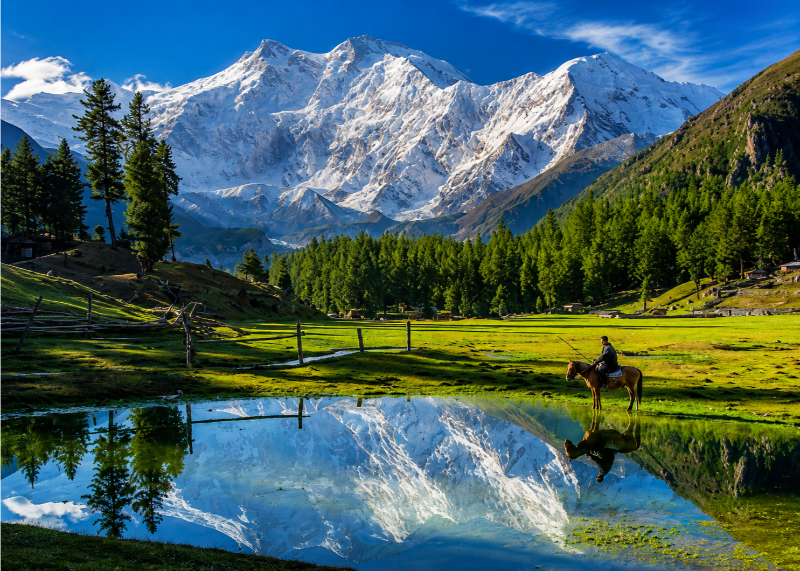
Few destinations rival the natural grandeur of northern Pakistan travel experiences. The region contains some of Asia’s most spectacular landscapes, where towering peaks rise above emerald valleys and crystal-clear rivers carve through dramatic mountain terrain.
The iconic Hunza Valley travel route showcases picturesque villages surrounded by snow-capped mountains. Meanwhile, Skardu Pakistan tourism continues to attract travelers seeking access to alpine lakes, glaciers, and breathtaking panoramas. Every season transforms the landscape differently. Spring brings blossoms, summer offers lush greenery, autumn paints valleys in gold and crimson, and winter creates snow-covered wonderlands.
The Karakoram Highway itself is a destination. Stretching through some of the world’s most dramatic mountain scenery, the route provides countless opportunities for photography, exploration, and cultural encounters. Consequently, Roadtrippers often describe it as one of the most memorable drives anywhere on Earth.
Key highlights include:
- Hunza Valley’s historic villages and mountain views
- Attabad Lake’s vivid turquoise waters
- Skardu’s dramatic desert-meets-mountain scenery
- Fairy Meadows overlooking Nanga Parbat
- Deosai National Park’s vast high-altitude plains
These extraordinary landscapes explain why global adventurers increasingly choose to visit Pakistan rather than more crowded mountain destinations.
2. Pakistan Offers Some of the World’s Highest Mountains
Pakistan stands among the world’s premier mountaineering destinations. The country hosts five of the fourteen peaks exceeding 8,000 meters, including the legendary K2, the second-highest mountain on Earth.
Unlike many heavily commercialized climbing destinations, Pakistan’s mountain regions retain a sense of raw adventure. Trekkers and climbers encounter vast glaciers, remote valleys, and pristine wilderness areas that remain largely untouched. Moreover, local communities have developed extensive expertise in supporting expeditions through guiding, logistics, and hospitality services.
The mountaineering history of Pakistan is equally compelling. For decades, elite climbers have tested themselves against some of the world’s most challenging peaks. As a result, the country’s reputation among serious adventurers continues to grow year after year.
| Destination | Region | Main Attraction | Travel Experience | Best Time to Visit |
|---|---|---|---|---|
| K2 Base Camp | Gilgit-Baltistan | K2 Mountain | Trekking Expedition | June–August |
| Hunza Valley | Gilgit-Baltistan | Mountain Landscapes | Cultural & Scenic Travel | April–October |
| Skardu | Gilgit-Baltistan | Lakes & Peaks | Adventure Tourism | May–September |
| Fairy Meadows | Diamer | Nanga Parbat Views | Hiking & Camping | May–October |
| Deosai Plains | Gilgit-Baltistan | High-Altitude Wilderness | Wildlife & Nature | June–September |
Additionally, glacier tourism, high-altitude trekking, and guided expeditions contribute significantly to the growing adventure travel Pakistan sector.
3. Rich Cultural and Historical Heritage
Pakistan’s history stretches back thousands of years, making it one of South Asia’s most fascinating destinations for heritage tourism. Ancient civilizations, Islamic architecture, colonial influences, and regional traditions combine to create a remarkably layered cultural identity.
The archaeological site of Mohenjo-daro provides insight into one of humanity’s earliest urban civilizations. Meanwhile, cities such as Lahore showcase magnificent Mughal architecture through landmarks including Badshahi Mosque and Lahore Fort. These monuments reflect centuries of artistic achievement and political history.
Regional traditions further enrich the travel experience. Different provinces maintain unique languages, clothing styles, music, festivals, and culinary practices. Therefore, visitors can experience diverse cultures while remaining within a single country.
Important heritage attractions include:
- Mohenjo-daro archaeological ruins
- Lahore Fort and Badshahi Mosque
- Rohtas Fort UNESCO World Heritage Site
- Taxila ancient Buddhist remains
- Historic colonial districts in major cities
For travelers interested in history and culture, cultural tourism Pakistan offers remarkable depth and variety.
4. Pakistani Hospitality Is Globally Recognized
Perhaps no aspect of travel in Pakistan leaves a stronger impression than the hospitality. Visitors frequently describe unexpected acts of kindness from strangers, invitations to family meals, and genuine curiosity from local communities.
Hospitality in Pakistan is deeply rooted in cultural traditions. Guests are treated with respect and generosity, regardless of background or nationality. Moreover, travelers often discover that meaningful conversations become highlights of their journeys.
Village hospitality provides particularly memorable experiences. Meanwhile, urban centers offer opportunities to engage with modern Pakistani society while still benefiting from traditional warmth and openness. Consequently, many travelers leave with friendships that continue long after their trips conclude.
Several factors contribute to Pakistan’s hospitality reputation:
- Strong cultural emphasis on welcoming guests
- Community-oriented social traditions
- Genuine interest in international visitors
- Respectful interactions across regions
- Memorable home-cooked dining experiences
This human connection frequently becomes the defining reason many travelers recommend others to visit Pakistan.
5. Pakistan’s Food Scene Is Underrated
Food represents one of Pakistan’s greatest yet often overlooked attractions. Regional diversity creates a culinary landscape that ranges from mountain specialties to coastal seafood traditions.
Street food culture thrives in major cities. Visitors can sample freshly prepared kebabs, biryanis, chapli kebabs, nihari, and countless regional dishes. Meanwhile, tea culture plays a central role in daily life, creating opportunities for relaxed social interaction and cultural immersion.
Modern dining is also evolving rapidly. Luxury hotels, contemporary restaurants, and innovative chefs increasingly blend traditional flavors with international presentation standards. As a result, food tourism has become an important component of Pakistan tourism 2026.
Popular culinary experiences include:
- Traditional barbecue and grilled meats
- Regional biryani variations
- Fresh naan and artisan breads
- Local desserts and sweets
- Mountain cuisine unique to northern regions
For food enthusiasts, Pakistan offers authenticity, diversity, and exceptional value.
6. Pakistan Is Affordable Compared to Major Destinations
One of the strongest practical reasons to visit Pakistan involves affordability. Travelers frequently discover that their budgets stretch significantly further than in Europe, North America, or many popular Asian destinations.
Accommodation options range from budget guesthouses to luxury mountain resorts. Transportation costs remain relatively low, while dining experiences often provide excellent quality at reasonable prices. Consequently, travelers can enjoy extended journeys without excessive expenses.
| Travel Factor | Pakistan Advantage | Traveler Experience | Budget Impact | Tourism Appeal |
|---|---|---|---|---|
| Accommodation | Wide Price Range | Budget to Luxury | High Savings | Strong |
| Food | Affordable Dining | Authentic Cuisine | Low Daily Cost | Excellent |
| Transportation | Competitive Costs | Easy Mobility | Budget Friendly | Positive |
| Guided Tours | Value Packages | Local Expertise | Cost Effective | Growing |
| Adventure Activities | Accessible Pricing | Unique Experiences | Good Value | High |
Moreover, luxury experiences often cost considerably less than equivalent offerings elsewhere. Therefore, Pakistan appeals to both backpackers and premium travelers.
7. Adventure Tourism Is Expanding Rapidly
Adventure tourism represents one of the fastest-growing sectors in Pakistan’s travel industry. New experiences continue to emerge as infrastructure improves and international awareness increases.
Road trips remain particularly popular. The routes connecting Islamabad, Gilgit, Hunza, and Skardu provide extraordinary scenery and diverse cultural encounters. Meanwhile, hiking trails attract everyone from casual walkers to experienced mountaineers.
Adventure opportunities now include:
- Jeep safaris through mountain regions
- Multi-day trekking expeditions
- River rafting adventures
- Paragliding experiences
- Coastal and desert exploration
Additionally, eco-tourism initiatives encourage responsible travel while supporting local communities. Consequently, Pakistan continues diversifying beyond traditional mountain tourism.
8. Pakistan’s Hidden Gems Remain Untouched
In an era when many famous destinations struggle with overtourism, Pakistan still offers genuine opportunities for discovery. Numerous valleys, villages, and landscapes remain largely unknown to international audiences.
Travelers seeking exclusivity often appreciate these lesser-known destinations. Instead of crowded attractions, visitors encounter authentic communities, unspoiled scenery, and meaningful cultural exchanges. Moreover, social media has begun introducing these hidden locations to global audiences without overwhelming them.
Examples include remote valleys, traditional mountain settlements, and lesser-visited historical sites. In contrast to heavily commercialized destinations elsewhere, these locations preserve their original character and charm.
This sense of exploration appeals strongly to modern travelers seeking experiences beyond conventional tourism routes.
9. Modern Tourism Infrastructure Is Improving
Pakistan’s tourism infrastructure has improved significantly during recent years. New roads, upgraded airports, modern hotels, and digital travel services have transformed accessibility across many regions.
Luxury accommodations continue expanding in key destinations such as Hunza and Skardu. Meanwhile, domestic airlines connect major cities with northern tourism hubs more efficiently than ever before. Consequently, travelers can explore remote regions with greater comfort and convenience.
Several developments support tourism growth:
- Expansion of quality hotels and resorts
- Improved transportation networks
- Enhanced digital booking platforms
- Increased tourism promotion initiatives
- Better visitor information services
These improvements help reshape international perceptions while making travel planning increasingly straightforward.
10. Pakistan Offers a Unique Blend of Adventure and Culture
The most compelling reason to visit Pakistan may be its ability to combine extraordinary landscapes with profound cultural experiences. Few destinations offer such seamless integration of nature, history, tradition, and hospitality.
A single itinerary might include trekking beneath towering peaks, exploring ancient archaeological sites, sharing tea with local families, and enjoying contemporary urban culture. Meanwhile, spiritual heritage and natural beauty often intersect in meaningful ways.
Modern travelers increasingly prioritize authenticity over standardized tourism experiences. Therefore, Pakistan’s combination of cultural depth and natural grandeur aligns perfectly with evolving travel preferences. The country offers not only beautiful destinations but also emotional and intellectual engagement.
As global awareness grows, Pakistan’s reputation continues shifting from overlooked destination to emerging travel highlight.
Unique Insight: Why Global Travelers Increasingly Visit Pakistan
The growing desire to visit Pakistan reflects a broader transformation in international tourism. Travelers increasingly prioritize authenticity over commercial attractions. Moreover, many seek destinations that offer meaningful cultural engagement rather than passive sightseeing.
Adventure tourism has also evolved. Explorers now favor less crowded locations that provide genuine challenges and unique perspectives. Pakistan meets these expectations through its mountain landscapes, remote communities, and rich cultural heritage.
Meanwhile, social media has dramatically reshaped perceptions. Stunning imagery from Hunza, Skardu, and other regions has introduced global audiences to destinations previously overlooked. As a result, curiosity continues expanding across international travel markets.
However, Pakistan’s appeal extends beyond visual beauty. The country’s true strength lies in the combination of landscapes, hospitality, history, and authenticity. Travelers frequently remember personal interactions as vividly as mountain views. Consequently, Pakistan delivers experiences that resonate long after the journey ends.
FAQs
Is Pakistan safe for travelers in 2026?
Many popular tourist regions welcome international visitors regularly. Travelers should follow current government travel advisories and local guidance while planning their trips.
What are the best places to visit in Pakistan?
Popular destinations include Hunza Valley, Skardu, Lahore, Islamabad, Fairy Meadows, Deosai National Park, and the ancient site of Mohenjo-daro.
Why is northern Pakistan famous?
Northern Pakistan is known for dramatic mountain scenery, alpine lakes, glaciers, trekking routes, and picturesque valleys.
What is the best time to visit Pakistan?
Spring (March–May) and autumn (September–November) generally provide ideal weather. Mountain regions are most accessible during summer.
Is Pakistan affordable for tourists?
Yes. Accommodation, food, transportation, and activities often cost significantly less than in many major international destinations.
What food should travelers try in Pakistan?
Travelers should sample biryani, chapli kebab, nihari, seekh kebabs, traditional breads, regional specialties, and local desserts.
Can foreigners travel freely in Pakistan?
Many tourist destinations are accessible to foreign travelers. Visitors should verify visa requirements and travel regulations before departure.
What adventure activities are popular in Pakistan?
Popular activities include trekking, mountaineering, camping, rafting, jeep safaris, paragliding, and scenic road trips.
Why is Pakistan becoming popular for tourism?
Improved infrastructure, social media exposure, authentic experiences, mountain tourism, and strong hospitality contribute to rising popularity.
What makes Pakistan unique for travelers?
Pakistan combines world-class mountain scenery, ancient history, cultural diversity, remarkable hospitality, and affordable travel experiences.