The debate around whether Owning a Yacht Worth It for ultra-high-net-worth individuals has become more nuanced in 2026. In previous decades, superyachts mainly represented status and exclusivity. Today, however, they increasingly function as sophisticated lifestyle infrastructure within broader luxury mobility ecosystems. Affluent travelers now prioritize privacy, flexibility, personalized experiences, and seamless global movement. As a result, yacht ownership has evolved beyond symbolic wealth display into a strategic lifestyle decision.
At the same time, the operational realities behind ultra high-net-worth yacht ownership have grown significantly more complex. Rising marina fees in the Mediterranean and Caribbean, increasing fuel prices, stricter environmental regulations, and global crew shortages continue to reshape the economics of the industry. Moreover, younger wealthy buyers increasingly favor flexible access models rather than traditional full ownership structures.
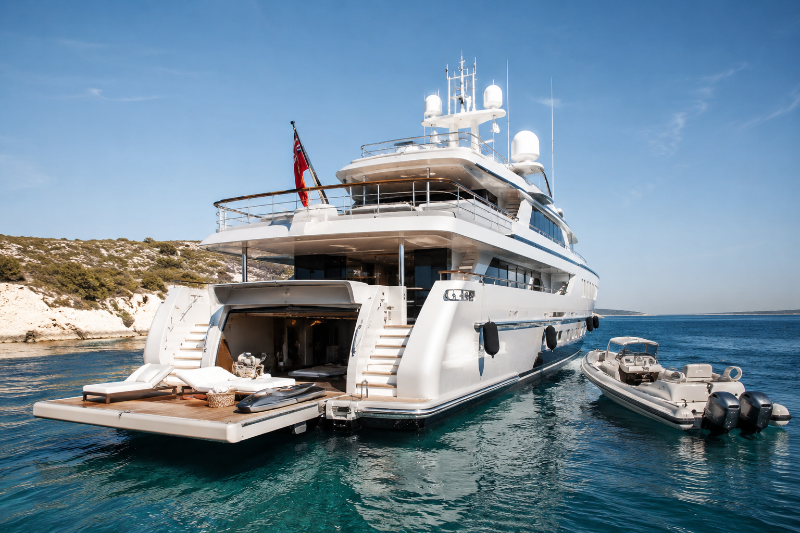
Nevertheless, private yachts still offer unique experiential value that charter alternatives often struggle to replicate fully. Owners can customize every aspect of the onboard environment, maintain greater schedule control, and create highly private spaces for family, business, and hospitality. Consequently, many wealthy individuals continue to view yachts as extensions of their personal lifestyle ecosystems rather than simple leisure assets.
The question is no longer only about prestige. Instead, affluent buyers increasingly evaluate yacht ownership through the lens of utility, mobility, operational convenience, and emotional lifestyle return. Therefore, determining whether owning a yacht is worth it depends heavily on usage patterns, financial priorities, and personal expectations.
Why Ultra-High-Net-Worth Individuals Still Buy Yachts?
Despite rising operational complexity, ultra-high-net-worth individuals continue purchasing yachts because they provide a level of privacy and personalization rarely available elsewhere in luxury travel. Unlike hotels or resorts, private yachts create controlled environments tailored entirely around the owner’s preferences. Moreover, wealthy families increasingly value experiences that combine exclusivity with flexibility.
Many entrepreneurs, executives, and global investors also use yachts as private networking environments. Business conversations often occur more naturally in secluded maritime settings compared to traditional corporate spaces. Meanwhile, luxury hospitality onboard enables owners to entertain guests while maintaining discretion and comfort.
Additionally, yachts serve emotional and lifestyle motivations that extend beyond financial logic. Many owners associate yacht ownership with freedom, independence, and multigenerational family experiences. In contrast to purely financial assets, yachts deliver experiential value that affluent individuals often prioritize more heavily today.
Key reasons wealthy individuals still buy yachts include:
- Greater travel privacy and security
- Personalized hospitality experiences
- Flexible itinerary control
- Family entertainment and hosting
- Exclusive networking opportunities
Consequently, yachts remain powerful symbols of lifestyle freedom, even as ownership models continue evolving.
The True Costs Behind Yacht Ownership
One of the biggest misconceptions surrounding luxury yacht investment involves underestimating long-term operating expenses. Purchasing a yacht represents only the beginning of the financial commitment. In reality, annual operational costs can reach 10% or more of the yacht’s original purchase price.
Crew salaries alone often represent a substantial expense. Captains, engineers, chefs, deckhands, hospitality staff, and security personnel require competitive compensation packages. Moreover, retaining experienced crew has become increasingly difficult due to labor shortages across the luxury maritime sector.
Fuel consumption also remains a major operational challenge. Large superyachts consume enormous quantities of fuel, particularly during long-distance Mediterranean and Caribbean crossings. Meanwhile, marina docking fees continue rising in premium destinations such as Monaco, Ibiza, Saint-Tropez, and Miami.
Additional expenses include:
- Insurance and compliance requirements
- Mechanical maintenance and refits
- Satellite communications systems
- Tender and watercraft upkeep
- Yacht management company fees
Therefore, many new buyers discover that private yacht operating costs exceed initial expectations significantly.
Major Costs of Owning a Luxury Yacht
| Expense Category | Typical Annual Cost | Operational Importance | Lifestyle Benefit | Long-Term Impact |
|---|---|---|---|---|
| Crew Salaries | Very High | Essential | Premium onboard service | Ongoing staffing pressure |
| Fuel Consumption | High | Critical for mobility | Global travel flexibility | Sensitive to energy pricing |
| Marina Fees | High | Necessary for docking | Access to luxury destinations | Rising annually |
| Maintenance & Repairs | Very High | Protects vessel condition | Reliability and safety | Impacts resale value |
| Insurance & Compliance | Moderate to High | Legal protection | Operational continuity | Increasing regulatory burden |
| Yacht Management | Moderate | Simplifies operations | Reduced owner involvement | Improves efficiency |
Yacht Ownership vs Chartering: Which Makes More Sense?
The rise of luxury chartering has changed the ownership conversation dramatically. Many affluent travelers now prefer chartering because it provides access to different vessels and destinations without long-term operational responsibility. Additionally, charter clients avoid maintenance, staffing, insurance, and depreciation concerns.
However, ownership still offers advantages that chartering cannot fully duplicate. Owners maintain complete control over design, scheduling, onboard culture, and guest experience. Furthermore, consistent use often justifies ownership for families who spend extended periods at sea annually.
Hybrid ownership structures have also become increasingly popular. Some owners offset expenses by placing yachts into selective charter programs during unused periods. As a result, they reduce carrying costs while maintaining personal access.
Ownership may make more sense when:
- Annual usage is extensive
- Privacy requirements are exceptionally high
- Customization is a major priority
- Family travel patterns remain consistent
On the other hand, chartering suits buyers seeking flexibility, lower operational exposure, and access to multiple yacht styles.
How Yachts Fit Into Modern Affluent Lifestyles?
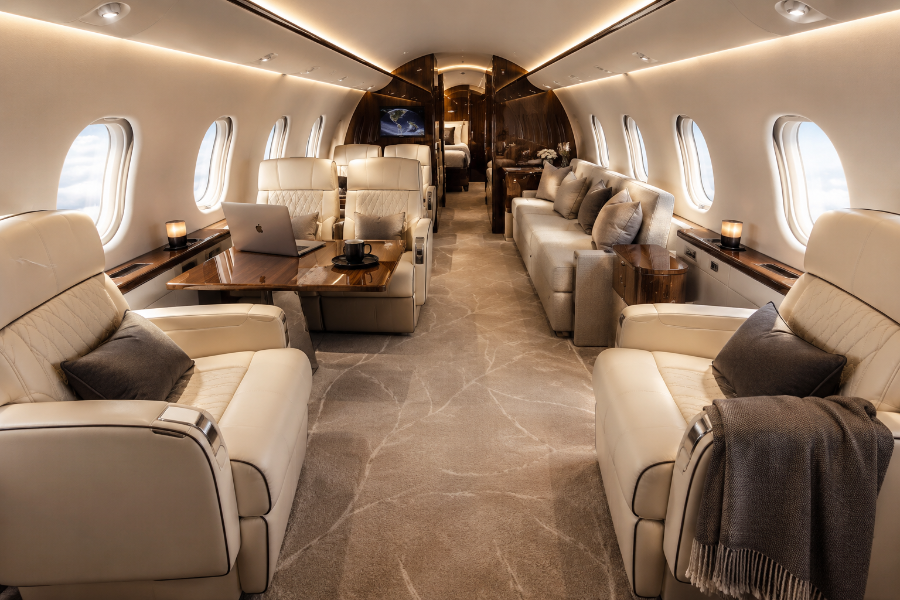
Today’s luxury maritime lifestyle overlaps heavily with private aviation and global mobility culture. Many yacht owners coordinate travel between private jets, exclusive marinas, and luxury villas within integrated travel ecosystems. Consequently, yachts increasingly function as mobile hospitality platforms rather than isolated leisure assets.
Mediterranean and Caribbean travel routes remain especially important within this ecosystem. Summer Mediterranean itineraries frequently include Monaco, Sardinia, Ibiza, and the Greek Islands. Meanwhile, Caribbean winter seasons continue attracting affluent travelers seeking privacy and warm-weather mobility.
Yachts also serve family-oriented purposes beyond entertainment. Many owners use them for extended multigenerational travel, wellness retreats, or remote work environments. Additionally, modern yachts increasingly feature offices, gyms, cinemas, wellness facilities, and advanced communications infrastructure.
However, operating such complex environments requires corporate-style management. Owners often coordinate with yacht management companies handling staffing, logistics, compliance, maintenance, and charter scheduling.
Challenges include:
- Seasonal usage limitations
- Crew coordination complexities
- Rising marina demand
- International compliance requirements
- High operational oversight needs
Therefore, yacht ownership increasingly resembles managing a floating luxury enterprise.
Yacht Ownership vs Charter Comparison
| Category | Full Ownership | Chartering | Hybrid Models | Ideal User |
|---|---|---|---|---|
| Flexibility | Moderate | Very High | High | Seasonal travelers |
| Customization | Complete | Limited | Moderate | Lifestyle-focused owners |
| Operational Responsibility | Very High | Minimal | Shared | Experienced owners |
| Cost Efficiency | Lower for infrequent use | Better for occasional travel | Balanced | Mixed-use buyers |
| Privacy Control | Maximum | Moderate | High | Security-conscious travelers |
Why Privacy and Mobility Matter to the Ultra-Wealthy?
Privacy has become one of the most valuable luxury assets among wealthy individuals. Increasing public exposure, digital surveillance concerns, and crowded luxury destinations have pushed affluent travelers toward more controlled environments. Consequently, yachts provide both physical and operational privacy advantages.
Unlike traditional luxury resorts, private yachts allow owners to avoid crowded hospitality spaces entirely. Moreover, itinerary flexibility enables rapid schedule adjustments based on security, weather, or personal preference.
For high-profile entrepreneurs and executives, mobility also plays a strategic role. Yachts provide secluded environments for confidential meetings, relationship-building, and uninterrupted family time. Meanwhile, onboard hospitality staff ensure consistent service standards regardless of location.
Key privacy and mobility advantages include:
- Controlled guest environments
- Reduced public exposure
- Flexible international movement
- Personalized hospitality experiences
- Enhanced family security
As a result, many affluent buyers increasingly view yachts as secure lifestyle infrastructure rather than recreational luxuries alone.
Risks and Challenges Facing Yacht Owners in 2026
Although yacht ownership offers significant experiential advantages, the sector faces mounting operational challenges in 2026. Rising fuel costs continue pressuring operational budgets, particularly for large superyachts with high consumption requirements. Meanwhile, premium marina availability remains increasingly constrained during peak Mediterranean seasons.
Environmental regulation also continues reshaping the industry. Governments and maritime authorities are implementing stricter emissions standards, waste-management protocols, and sustainability reporting requirements. Consequently, owners face higher compliance costs and growing public scrutiny.
Crew shortages create additional operational pressure. Skilled maritime professionals remain in high demand, while expectations around compensation, benefits, and working conditions continue increasing.
Additional challenges include:
- Resale market volatility
- Geopolitical travel disruptions
- Currency fluctuation exposure
- Insurance premium increases
- Expensive refit requirements
Therefore, superyacht ownership reality increasingly requires long-term strategic planning rather than purely emotional purchasing decisions.
How Sustainability Is Reshaping Yacht Ownership?
Sustainability concerns now influence luxury yacht investment decisions far more heavily than in previous decades. Younger wealthy buyers increasingly prioritize responsible luxury and environmentally conscious travel practices. As a result, shipbuilders and owners are investing heavily in greener technologies.
Hybrid propulsion systems, alternative fuels, and energy-efficient hull designs are becoming more common across new yacht projects. Moreover, sustainable marina infrastructure and advanced waste-management systems continue expanding throughout major maritime destinations.
Eco-conscious materials also influence yacht interiors and construction practices. Owners increasingly request responsibly sourced woods, recyclable materials, and lower-emission manufacturing processes.
Important sustainability trends include:
- Hybrid propulsion adoption
- Carbon-emission reduction efforts
- Sustainable onboard systems
- Eco-conscious design materials
- Regulatory compliance innovation
Nevertheless, sustainability remains challenging within a sector associated with high resource consumption. Consequently, the industry continues balancing luxury expectations with growing environmental accountability.
Why Yacht Ownership Is Becoming More Experience-Focused?
The culture surrounding wealthy lifestyle assets has changed substantially in recent years. Younger millionaires and entrepreneurs increasingly prioritize flexibility, personalization, and experiences over static status signaling. Therefore, yacht ownership is becoming more experience-focused rather than prestige-focused.
Modern affluent buyers often evaluate luxury assets based on time efficiency and emotional utility. In contrast to older ownership models centered around visibility, today’s buyers frequently prefer discreet access and curated experiences.
Private yachts now function as integrated hospitality and mobility ecosystems. Owners use them for wellness retreats, family gatherings, remote work, networking events, and immersive travel experiences. Meanwhile, hybrid access models provide greater flexibility for individuals unwilling to commit fully to traditional ownership.
This broader shift reflects changing affluent behavior patterns:
- Experiences outweigh symbolic ownership
- Privacy matters more than visibility
- Flexible access models attract younger buyers
- Personalization drives luxury spending
- Convenience increasingly shapes purchasing decisions
As a result, the future of yacht ownership may revolve less around possession and more around curated access and operational simplicity.
Is Owning a Yacht Worth It in the Modern Luxury Era?
Ultimately, determining whether Owning a Yacht Worth It depends heavily on how the asset integrates into an individual’s broader lifestyle priorities. For highly active owners who value privacy, personalized travel, global mobility, and family experiences, yacht ownership can deliver meaningful emotional and strategic value.
However, the financial and operational realities remain substantial. Maintenance, staffing, marina fees, fuel consumption, and regulatory pressures require ongoing commitment. Moreover, yachts rarely function as appreciating financial investments. Instead, they behave more like lifestyle infrastructure with high carrying costs.
At the same time, affluent culture itself is evolving. Younger wealthy buyers increasingly prioritize flexibility, operational convenience, and curated experiences over traditional ownership symbolism. Consequently, hybrid models, charter access, and managed ownership structures continue gaining popularity.
The future of luxury maritime travel will likely center on:
- Personalized mobility ecosystems
- Flexible ownership structures
- Sustainability integration
- Privacy-focused experiences
- Operational efficiency
Therefore, the question of yacht ownership increasingly reflects a larger cultural shift happening within affluent lifestyles. Wealthy individuals now evaluate luxury assets through the lens of utility, time optimization, emotional return, and experiential quality rather than prestige alone.
For some, full ownership remains worthwhile because it supports a deeply integrated global lifestyle. For others, chartering or hybrid access provides greater efficiency and flexibility. In either case, yachts continue occupying a unique role within modern luxury mobility culture.
FAQs
Is owning a yacht worth it for billionaires?
For many billionaires and entrepreneurs, yacht ownership provides privacy, flexibility, and personalized hospitality that align with their lifestyle needs. However, the value depends heavily on frequency of use and operational priorities.
How much does it cost to maintain a yacht annually?
Annual yacht maintenance costs often reach around 10% of the vessel’s purchase price. Expenses include crew salaries, fuel, marina fees, insurance, repairs, and compliance costs.
Why do ultra-wealthy individuals buy yachts?
Ultra-wealthy buyers often purchase yachts for privacy, mobility, family experiences, networking opportunities, and personalized luxury travel environments.
Is chartering better than owning a yacht?
Chartering offers flexibility and lower operational responsibility. Ownership, however, provides greater customization, privacy control, and long-term access consistency.
What are the hidden costs of yacht ownership?
Hidden costs frequently include refits, crew turnover, regulatory compliance, insurance increases, seasonal marina pricing, and maintenance emergencies.
Why is yacht staffing so expensive?
Luxury yachts require highly skilled crew members capable of delivering premium hospitality, technical operations, and safety management around the clock.
Are yachts considered good investments?
Most yachts depreciate over time and rarely generate strong financial returns. Their value usually lies in lifestyle utility and experiential benefits rather than investment appreciation.
How is sustainability affecting yacht ownership?
Sustainability pressures are driving demand for hybrid propulsion systems, eco-conscious materials, reduced emissions technologies, and greener marina infrastructure.
Why do entrepreneurs and executives use yachts?
Many entrepreneurs use yachts for private networking, confidential meetings, family travel, and controlled hospitality environments away from public exposure.
What trends are shaping luxury yacht ownership in 2026?
Major trends include flexible ownership models, sustainability innovation, rising operational costs, experiential luxury demand, and increased focus on privacy and mobility.