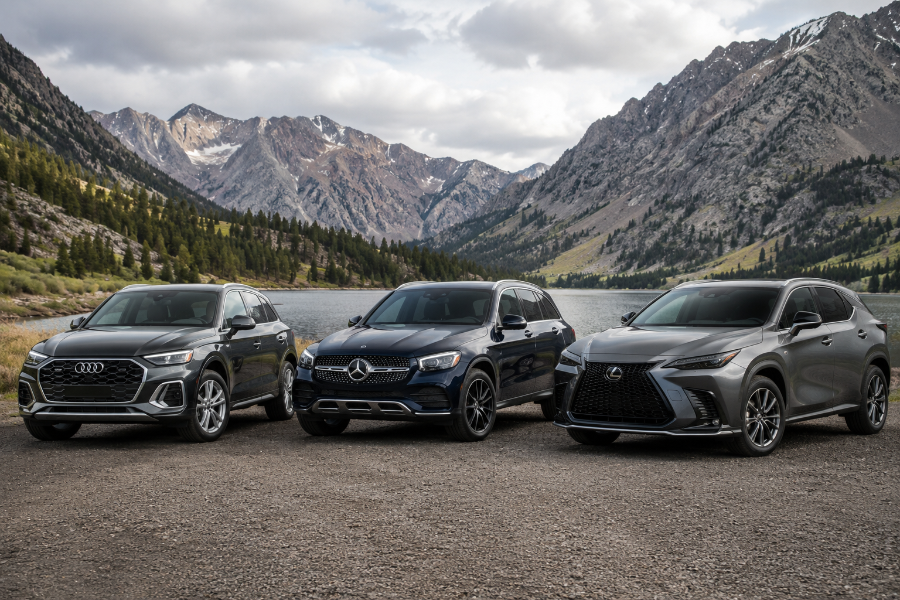
The competition among midsize luxury SUVs has become more intense than ever in 2026. Buyers no longer choose premium vehicles based only on brand prestige or acceleration figures. Instead, affluent consumers increasingly prioritize comfort, technology, versatility, and long-term usability. As a result, the comparison between the Audi Q5 vs Mercedes-Benz GLC vs Lexus NX has become one of the most important discussions in the premium SUV market.
Luxury SUVs now serve multiple roles in modern lifestyles. They function as executive commuter vehicles during the week, family transport on weekends, and comfortable long-distance cruisers for road trips and travel. Moreover, buyers expect these vehicles to integrate seamlessly into daily life without sacrificing sophistication or convenience. Consequently, automakers continue refining their midsize premium crossovers to deliver a balance between prestige and practicality.
The Audi Q5 remains known for its balanced refinement and understated premium character. Meanwhile, the Mercedes-Benz GLC emphasizes upscale luxury experiences and advanced technology integration. On the other hand, the Lexus NX appeals to buyers seeking reliability, hybrid efficiency, and lower ownership stress. Each SUV approaches luxury differently, yet all three continue attracting strong demand in the growing premium crossover segment.
The luxury SUV market in 2026 also reflects changing buyer priorities. Technology now influences purchase decisions as much as styling or performance. Additionally, comfort increasingly matters more than aggressive driving dynamics. Buyers want premium mobility experiences that feel effortless, connected, and practical for real-world living.
As the demand for family-friendly luxury vehicles continues rising, the Audi Q5 vs Mercedes-Benz GLC vs Lexus NX comparison highlights broader changes happening across the automotive industry. These SUVs are no longer niche executive vehicles. Instead, they have evolved into lifestyle-centered machines designed to support modern affluent living.
Why Midsize Luxury SUVs Dominate the Premium Market?
Midsize luxury SUVs continue dominating the premium automotive segment because they offer versatility that larger SUVs often cannot match. Buyers appreciate their elevated driving position, spacious interiors, and manageable dimensions for urban environments. Moreover, these vehicles deliver comfort and prestige without feeling oversized or difficult to maneuver in everyday situations.
Affluent buyers increasingly prefer premium crossovers because they combine executive sophistication with family practicality. For example, a midsize luxury SUV can comfortably handle school runs, client meetings, airport travel, and weekend road trips within the same ownership experience. Consequently, luxury SUVs have become central lifestyle vehicles rather than occasional-use status symbols.
The shift toward practical luxury also explains the popularity of this segment. Buyers want vehicles that feel premium yet remain useful every day. Meanwhile, advances in infotainment systems, driver-assistance technology, and hybrid efficiency continue making midsize SUVs more attractive than traditional sedans.
Key reasons midsize luxury SUVs dominate the market include:
- Comfortable seating and ride quality
- Practical cargo and passenger flexibility
- Elevated road visibility
- Strong technology integration
- Easier urban usability compared with full-size SUVs
Therefore, the premium midsize SUV comparison category continues expanding rapidly as buyers seek balance instead of extremes.
Audi Q5: Balanced Luxury and Everyday Refinement
The Audi Q5 has earned a reputation for offering one of the most balanced ownership experiences in the luxury SUV market. Rather than relying on flashy styling or excessive complexity, Audi focuses on refinement, usability, and understated sophistication. As a result, the Q5 appeals strongly to buyers seeking a calm and composed premium vehicle.
Inside, the cabin feels modern without appearing overwhelming. The materials quality remains consistently impressive, while the seating provides excellent long-distance comfort. Additionally, Audi’s clean dashboard layout helps reduce distraction during daily driving. Buyers who value subtle elegance often appreciate this design philosophy more than dramatic styling trends.
The Q5 also performs well as a family luxury SUV. Passenger space remains practical for daily use, and cargo flexibility supports busy lifestyles. Meanwhile, the Quattro all-wheel-drive system adds confidence during poor weather or highway travel. Consequently, the Q5 feels equally comfortable in urban commuting and long-distance touring situations.
Audi’s approach to technology focuses heavily on usability. Instead of adding complexity for attention, the brand prioritizes intuitive functionality. Key strengths include:
- Quiet and refined cabin atmosphere
- User-friendly infotainment integration
- Strong ride comfort balance
- Practical family-oriented packaging
- Confident all-weather capability
The Audi Q5 review experience in 2026 continues reinforcing why many buyers consider it the safest all-around choice in the premium crossover market.
Mercedes-Benz GLC: Technology and Prestige Focus
The Mercedes-Benz GLC approaches luxury from a more expressive and technology-centered perspective. While the Audi Q5 emphasizes balance, the GLC focuses heavily on creating a visually upscale environment that immediately feels premium. Therefore, buyers attracted to prestige and modern luxury branding often gravitate toward the Mercedes-Benz experience.
The interior stands out with dramatic digital displays, ambient lighting, and upscale trim materials. Moreover, Mercedes continues pushing advanced infotainment systems that prioritize visual sophistication alongside functionality. The cabin feels highly contemporary, which appeals strongly to younger luxury buyers and executive commuters.
Ride quality also plays a major role in the GLC’s appeal. Rather than delivering aggressive sportiness, the SUV focuses on smoothness and comfort. Consequently, highway travel feels relaxed and insulated from road imperfections. This comfort-oriented character aligns well with evolving luxury SUV market trends, where refinement increasingly matters more than sharp performance handling.
The GLC attracts buyers seeking a luxury-oriented image combined with advanced technology. Important strengths include:
- Highly upscale cabin presentation
- Advanced infotainment displays
- Smooth and relaxed ride quality
- Strong prestige-focused brand identity
- Premium executive lifestyle appeal
However, some buyers may find the technology-heavy approach slightly more complex than Audi’s cleaner user experience. Nevertheless, the GLC remains one of the strongest competitors in the executive crossover comparison category.
Lexus NX: Efficiency, Reliability, and Hybrid Appeal
The Lexus NX takes a different approach to luxury compared with its German rivals. Instead of emphasizing sporty dynamics or dramatic prestige, Lexus focuses on reliability, efficiency, comfort, and ownership simplicity. As a result, the NX strongly resonates with buyers seeking practical luxury and lower long-term stress.
Hybrid powertrains remain one of the NX’s biggest advantages in 2026. Fuel efficiency continues becoming increasingly important even among affluent consumers. Consequently, many buyers now prioritize lower operating costs alongside premium comfort. Lexus recognized this trend early, and the NX benefits significantly from its hybrid reputation.
The interior design also feels more modern and upscale than previous Lexus generations. Meanwhile, infotainment usability has improved substantially, helping the brand remain competitive in a technology-driven market. Additionally, the quiet cabin environment supports relaxed commuting and family travel.
The Lexus luxury philosophy differs from German rivals in several ways. Instead of emphasizing aggressive driving engagement, Lexus prioritizes smoothness, predictability, and reliability. Key advantages include:
- Strong hybrid efficiency options
- Excellent long-term reliability reputation
- Comfortable urban driving experience
- Lower ownership stress
- Quiet and practical cabin environment
On the other hand, enthusiasts seeking sporty handling may prefer Audi or Mercedes-Benz alternatives. Nevertheless, the NX remains highly appealing for buyers focused on efficiency and dependable luxury.
Audi Q5 vs Mercedes-Benz GLC vs Lexus NX Key Comparison
| SUV | Luxury Strength | Technology Focus | Family Practicality | Ideal Buyer |
|---|---|---|---|---|
| Audi Q5 | Balanced refinement | Intuitive integration | Excellent versatility | Buyers seeking overall balance |
| Mercedes-Benz GLC | Prestige and atmosphere | Advanced digital features | Strong comfort focus | Executive lifestyle buyers |
| Lexus NX | Reliability and efficiency | Hybrid-focused usability | Practical and stress-free | Efficiency-oriented families |
Interior Comfort and Technology Comparison
Interior quality has become one of the most important factors in the Audi Q5 vs Mercedes-Benz GLC vs Lexus NX comparison. Buyers now spend significant time inside their vehicles during commuting, travel, and daily routines. Therefore, cabin experience increasingly defines modern luxury ownership.
The Audi Q5 delivers a minimalist and calming interior environment. Controls feel logically placed, while the cabin avoids unnecessary visual clutter. Consequently, the Q5 feels relaxing during both short commutes and extended highway drives. Passenger comfort also remains excellent thanks to supportive seating and strong cabin insulation.
Meanwhile, the Mercedes-Benz GLC creates a more dramatic luxury atmosphere. Large digital displays and ambient lighting generate a futuristic feel that many buyers find highly attractive. Additionally, Mercedes excels at creating emotional visual appeal inside the cabin, which strengthens its premium image.
The Lexus NX focuses more heavily on comfort and usability. Seating quality remains excellent, while hybrid operation contributes to quiet driving behavior in urban conditions. Moreover, Lexus infotainment systems have improved significantly, helping narrow the gap with German competitors.
Technology features increasingly shaping buyer decisions include:
- Wireless smartphone connectivity
- Advanced driver-assistance systems
- Large digital instrument displays
- Voice-control integration
- Premium audio systems
Consequently, comfort and connectivity now influence purchasing decisions almost as strongly as exterior styling or performance.
Performance and Driving Experience Differences
The driving experience between these SUVs reflects their differing luxury philosophies. Audi focuses on balanced driving refinement, Mercedes-Benz prioritizes comfort and prestige, while Lexus emphasizes efficiency and ease of use.
The Audi Q5 delivers composed handling without becoming overly sporty. Steering feels predictable, while ride quality balances comfort with stability effectively. As a result, the Q5 feels highly versatile across city streets, highways, and long-distance travel.
In contrast, the Mercedes-Benz GLC leans more heavily toward comfort-focused refinement. Suspension tuning prioritizes smoothness, helping passengers remain relaxed during longer journeys. Meanwhile, the quiet cabin reinforces the vehicle’s executive appeal.
The Lexus NX provides a calmer and efficiency-oriented driving character. Hybrid operation especially benefits urban driving, where smooth acceleration and reduced fuel consumption improve daily usability. However, buyers seeking engaging driving dynamics may find the NX less exciting than German competitors.
Lifestyle-focused performance differences include:
- Audi emphasizing all-around balance
- Mercedes-Benz prioritizing luxury comfort
- Lexus focusing on efficiency and reliability
- Strong all-weather usability across all models
- Smooth highway refinement becoming increasingly important
Therefore, the best driving experience depends heavily on individual ownership priorities rather than objective performance numbers alone.
Luxury SUV Ownership Priorities in 2026
| Priority | Audi Q5 | Mercedes-Benz GLC | Lexus NX | Buyer Impact |
|---|---|---|---|---|
| Comfort | Excellent balance | Premium softness | Relaxed efficiency | Daily usability improves |
| Technology | User-friendly systems | Advanced visual tech | Simplified usability | Influences purchase decisions |
| Efficiency | Competitive | Moderate | Excellent hybrid economy | Lower operating costs |
| Reliability | Strong reputation | Good but complex | Outstanding reputation | Reduces ownership stress |
| Prestige | Understated premium | High-status luxury | Practical sophistication | Lifestyle positioning |
Which Luxury SUV Fits Different Lifestyles Best?
Different buyers naturally prioritize different aspects of luxury SUV ownership. Consequently, no single vehicle universally dominates every category in the Audi Q5 vs Mercedes-Benz GLC vs Lexus NX comparison.
The Audi Q5 suits buyers seeking overall balance. Executive commuters appreciate its refined driving character, while families benefit from its practicality and comfort. Moreover, the understated design appeals to buyers preferring sophistication without excessive attention.
The Mercedes-Benz GLC fits lifestyle-focused luxury consumers particularly well. Buyers prioritizing prestige, upscale cabin experiences, and modern digital environments often prefer the GLC. Additionally, its smooth ride quality supports long-distance executive travel effectively.
The Lexus NX appeals strongly to efficiency-focused and long-term ownership buyers. Families valuing reliability and lower operating stress frequently choose Lexus products. Meanwhile, hybrid efficiency increasingly attracts urban buyers concerned about fuel costs and environmental awareness.
Lifestyle compatibility examples include:
- Executive commuters: Mercedes-Benz GLC
- Balanced family luxury: Audi Q5
- Efficiency-focused ownership: Lexus NX
- Urban comfort priorities: Lexus NX
- All-around versatility: Audi Q5
Therefore, the ideal premium midsize SUV depends heavily on how buyers intend to integrate the vehicle into daily life.
Risks and Challenges Facing Luxury SUVs in 2026
Luxury SUVs continue thriving in 2026, yet the segment also faces growing challenges. Increasing EV competition represents one of the biggest threats to traditional premium crossovers. Consequently, automakers must adapt quickly to changing consumer expectations and regulatory pressures.
Rising ownership costs also affect buyer behavior. Insurance, maintenance, and advanced software systems contribute to increasing long-term expenses. Meanwhile, affluent buyers expect flawless digital experiences similar to smartphones and consumer electronics. This creates enormous pressure on luxury brands to deliver seamless technology integration.
The premium SUV market has also become highly crowded. New entrants from electric brands continue intensifying competition. Additionally, stricter emissions regulations force manufacturers to accelerate electrification strategies.
Major challenges facing luxury SUVs include:
- Growing electric vehicle competition
- Rising ownership and maintenance costs
- Software reliability expectations
- Intense market competition
- Regulatory pressure toward electrification
Nevertheless, demand for premium crossovers remains extremely strong because buyers still value versatility and comfort highly.
Why Luxury SUV Buyers Are Prioritizing Practical Comfort?
Modern luxury increasingly revolves around comfort, convenience, and effortless usability rather than aggressive performance. Buyers now view SUVs as mobile lifestyle spaces where they spend substantial time working, relaxing, and traveling. Consequently, practical comfort has become one of the defining features of premium ownership.
The Audi Q5 vs Mercedes-Benz GLC vs Lexus NX comparison demonstrates this industry-wide shift clearly. Buyers increasingly prioritize cabin quietness, intuitive technology, supportive seating, and stress-free driving behavior. Meanwhile, understated sophistication now appeals more strongly than flashy excess.
Technology also improves daily usability dramatically. Driver-assistance systems reduce commuting fatigue, while connectivity features help integrate vehicles into modern lifestyles. As a result, premium mobility experiences increasingly center around convenience rather than raw performance statistics.
Practical luxury trends shaping the market include:
- Comfort replacing aggressive sportiness
- Hybrid efficiency becoming premium value
- Technology enhancing daily convenience
- Family usability influencing luxury decisions
- Understated sophistication gaining popularity
Therefore, the future of luxury SUVs may depend more on lifestyle integration than traditional performance competition.
Final Verdict: Which Luxury SUV Is Best?
The Audi Q5 vs Mercedes-Benz GLC vs Lexus NX comparison ultimately reveals three distinct interpretations of modern luxury SUV ownership.
The Audi Q5 remains the strongest all-around choice for buyers seeking balance, refinement, and versatility. It combines premium comfort, practical usability, intuitive technology, and understated sophistication exceptionally well. Consequently, it continues attracting buyers who want luxury without unnecessary complexity.
Meanwhile, the Mercedes-Benz GLC excels in luxury atmosphere, visual prestige, and technology-focused experiences. Buyers prioritizing executive image and upscale interior presentation may find the GLC particularly compelling.
The Lexus NX stands out for reliability, hybrid efficiency, and stress-free ownership. As fuel efficiency and long-term usability become increasingly important, the NX continues gaining relevance among practical luxury buyers.
However, there is no universal winner in the premium SUV market. Lifestyle compatibility ultimately determines which vehicle fits best. Executive commuters, affluent families, urban drivers, and efficiency-focused owners all prioritize different aspects of ownership.
More importantly, this comparison reflects broader changes happening across the luxury automotive industry. Affluent buyers increasingly value comfort, convenience, technology, and family practicality over pure brand image alone. Moreover, understated sophistication now resonates more strongly than excessive luxury displays.
As the luxury SUV market evolves, the future likely belongs to vehicles that integrate seamlessly into modern lifestyles while balancing prestige with practicality. In that regard, the Audi Q5, Mercedes-Benz GLC, and Lexus NX each represent a different vision of what premium mobility means in 2026.
FAQs
Which is better: Audi Q5, Mercedes-Benz GLC, or Lexus NX?
The best choice depends on buyer priorities. The Audi Q5 offers balanced refinement, the Mercedes-Benz GLC emphasizes luxury and technology, while the Lexus NX focuses on reliability and hybrid efficiency.
Which luxury SUV is best for families?
The Audi Q5 and Lexus NX both perform strongly for families due to practicality, comfort, and usability. Meanwhile, the GLC provides a more premium luxury atmosphere.
Is the Audi Q5 more practical than the GLC?
Yes, many buyers consider the Audi Q5 slightly more practical because of its balanced interior layout and versatile usability.
Why is the Lexus NX popular in 2026?
The Lexus NX remains popular because buyers increasingly value hybrid efficiency, reliability, and lower ownership stress.
Which SUV has the best interior technology?
The Mercedes-Benz GLC typically stands out for advanced digital displays and luxury-oriented infotainment presentation.
Is the Mercedes-Benz GLC comfortable for long trips?
Yes, the GLC delivers excellent ride comfort and cabin refinement, making it highly suitable for highway travel.
Which luxury SUV offers the best reliability?
The Lexus NX generally maintains the strongest long-term reliability reputation among these three SUVs.
Are hybrid luxury SUVs becoming more popular?
Yes, hybrid luxury SUVs continue gaining popularity as buyers prioritize efficiency and environmental awareness.
Which SUV is best for executive commuting?
The Mercedes-Benz GLC and Audi Q5 both excel for executive commuting thanks to comfort, refinement, and premium image.
What trends are shaping luxury SUVs in 2026?
Comfort, technology integration, hybrid efficiency, practicality, and lifestyle versatility are shaping the luxury SUV market in 2026.