Managing money effectively has become more important than ever, especially with rising living costs and increased digital spending. Tracking personal expenses and savings is the foundation of financial stability, helping individuals understand where their money goes and how they can improve their financial habits.
Today, mobile apps make budgeting and money management simple, automated, and highly accurate. Instead of manually writing expenses, users can now track every transaction in real time and set savings goals with ease.
This guide explores the best apps for tracking personal expenses and savings and how they can help you build better financial discipline.
Why Tracking Expenses Is Important
Many people struggle financially not because they don’t earn enough, but because they don’t track their spending.
Key Benefits of Expense Tracking
- Better control over spending habits
- Improved savings discipline
- Reduced unnecessary expenses
- Clear financial goals
- Lower financial stress
When you know exactly where your money goes, it becomes easier to manage it effectively.
Mint
Mint is one of the most popular personal finance apps worldwide.
Key Features
- Automatic expense tracking
- Bank account synchronization
- Budget creation tools
- Bill reminders
- Credit score monitoring
Mint is ideal for beginners who want an all-in-one financial overview.
YNAB (You Need A Budget)
YNAB focuses on proactive budgeting rather than just tracking expenses.
How It Works
- Every dollar is assigned a purpose
- Encourages planned spending
- Helps build savings habits
Benefits
- Strong budgeting system
- Helps break paycheck-to-paycheck cycle
- Encourages financial discipline
It is best for users who want strict control over their finances.
PocketGuard
PocketGuard simplifies budgeting by showing how much money is “safe to spend.”
Features
- Income vs expense tracking
- Spending limit suggestions
- Subscription tracking
It is useful for people who overspend and need clearer financial boundaries.
Goodbudget
Goodbudget uses the envelope budgeting system digitally.
Features
- Virtual envelopes for categories
- Expense tracking
- Shared budgeting options
It is ideal for families or couples managing joint finances.
Spendee
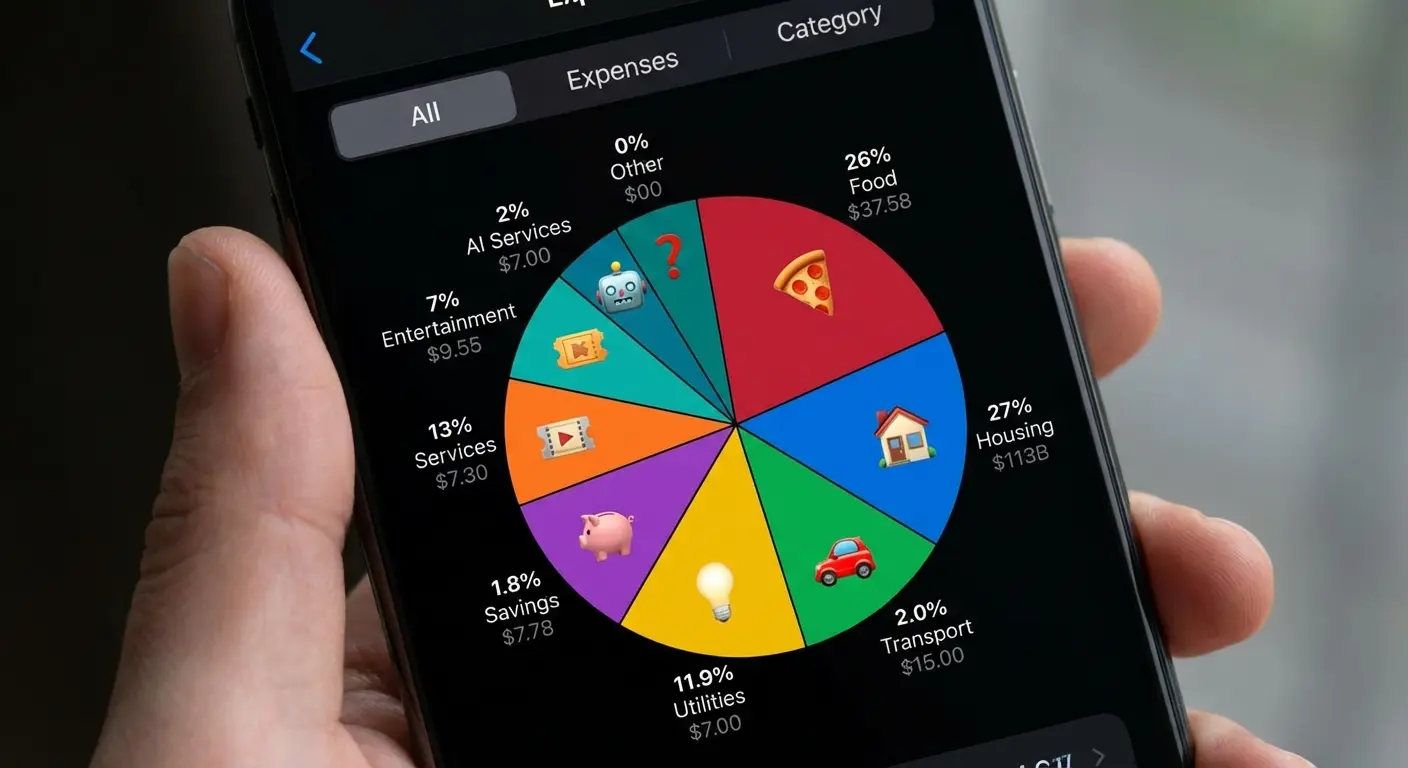
Spendee offers a visually appealing way to track expenses.
Features
- Color-coded budget categories
- Wallet syncing
- Shared wallets for groups
It is great for users who prefer visual financial tracking.
Wallet by BudgetBakers
Wallet is a powerful app for detailed financial planning.
Features
- Bank synchronization
- Cash flow tracking
- Budget planning tools
- Multi-currency support
It is suitable for users with multiple income sources.
Money Manager
Money Manager is a simple yet effective expense tracking app.
Features
- Manual and automatic entry options
- Daily expense tracking
- Budget charts and reports
It is perfect for users who prefer simplicity.
Excel or Google Sheets (Manual Tracking)
While not a traditional app, spreadsheets are still widely used.
Benefits
- Full customization
- No subscription cost
- Easy for detailed tracking
It is ideal for users who want complete control over their budgeting system.
Key Features to Look for in Expense Tracking Apps
Automatic Tracking
Syncs with bank accounts and records transactions automatically.
Budget Planning Tools
Helps set spending limits for different categories.
Savings Goals
Encourages saving for specific financial targets.
Reports and Analytics
Provides insights into spending habits.
How Expense Tracking Helps Financial Growth
Tracking expenses is the first step toward financial independence.
It helps you:
- Identify unnecessary spending
- Improve savings habits
- Plan long-term investments
- Avoid debt traps
Strong financial awareness is essential for stability.
Link Between Expense Tracking and Financial Freedom
Better money management leads to better financial outcomes.
Many people who adopt budgeting apps eventually follow structured financial habits similar to those discussed in Smart Ways to Reduce Debt and Become Financially Free, where tracking spending is a key step toward eliminating debt and building long-term savings.
Common Mistakes in Expense Tracking
Not Tracking Small Expenses
Small purchases add up over time.
Inconsistent Usage
Skipping days reduces accuracy.
Not Reviewing Reports
Insights are only useful if you act on them.
Tips for Better Money Management
Set Realistic Budgets
Avoid overly strict limits that are hard to follow.
Track Daily Expenses
Consistency improves accuracy.
Use Savings Goals
Motivates better financial discipline.
Review Monthly Spending
Helps identify patterns and unnecessary costs.
Who Should Use Expense Tracking Apps?
These apps are useful for:
- Students managing allowances
- Working professionals
- Families tracking shared expenses
- Freelancers with variable income
Anyone who wants better control over money can benefit.
Frequently Asked Questions
What is the best app for tracking expenses?
Mint, YNAB, and PocketGuard are among the most popular choices.
Are expense tracking apps safe?
Most reputable apps use encryption and secure banking connections.
Can I track expenses manually?
Yes, apps like Money Manager and spreadsheets allow manual tracking.
Do these apps help save money?
Yes, they help identify spending patterns and improve budgeting habits.
Are expense apps free?
Many apps offer free versions, but some advanced features may require subscriptions.
Final Thoughts
Tracking personal expenses and savings is one of the most effective ways to improve financial health. With the help of modern apps, managing money has become easier, more organized, and more efficient.