Key Takeaways
- Sticking to a routine maintenance schedule is essential to avoid breakdowns and maintain efficiency.
- Cleaning and checking the outdoor component, air filters, and ductwork all play a role in system longevity.
- Using smart home features and energy-wise habits can prolong your AC’s life and reduce operating costs.
Keeping your air conditioner running efficiently for years requires more than just basic usage. Homeowners who invest in preventive care often avoid costly repairs and enjoy improved comfort in their homes. By adopting a regular maintenance routine and mindful operation habits, you can enhance your unit’s reliability and performance. If you encounter issues beyond routine maintenance, seeking Tucson, AZ AC repair is a smart strategy to keep your system in top condition.
Beyond professional assistance, there are practical steps anyone can take to reduce the strain on their air conditioning system and maximize its lifespan. Small changes in how you manage your unit can lead to significant long-term savings, improved indoor air quality, and greater peace of mind during peak summer seasons.
Schedule Regular Professional Maintenance
Annual maintenance checks by a licensed HVAC technician are crucial for ensuring your system remains trouble-free through the years. Professionals will inspect, clean, and test various components, catching issues early before they evolve into expensive repairs. According to the U.S. Department of Energy, annual tune-ups help your air conditioner maintain peak performance and can uncover hidden problems that might otherwise go unnoticed.
Replace or Clean Air Filters Consistently
Dirty or clogged filters can drastically reduce your system’s efficiency and threaten the quality of your indoor air. Filters trap dust, allergens, and debris, keeping them from circulating throughout your home. It’s ideal to check your filters monthly, especially during heavy-use periods, and replace or thoroughly clean them every 1 to 3 months.
Keep the Outdoor Unit Clean and Clear
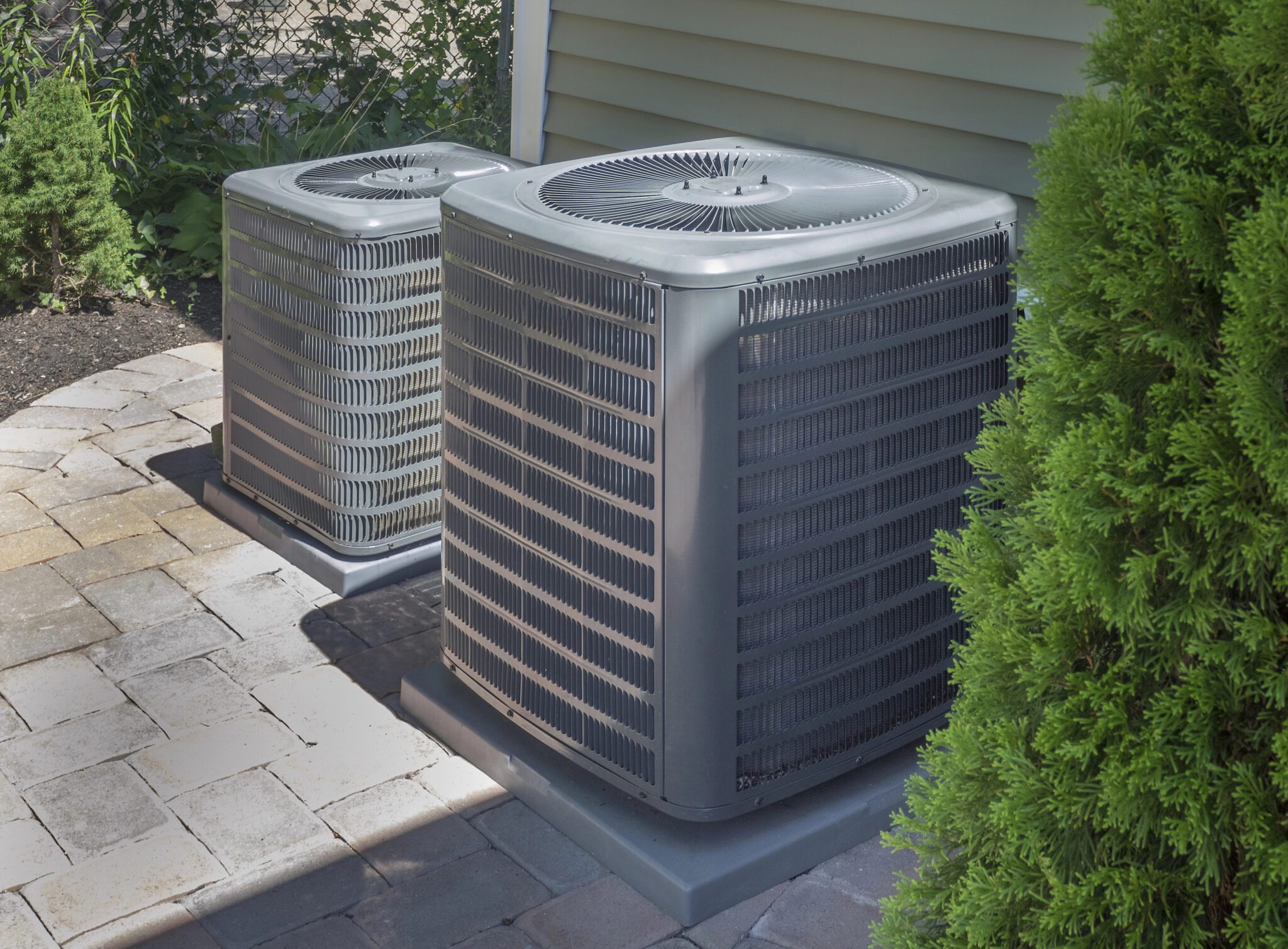
The condenser or outdoor unit works best when unobstructed. Make sure there’s at least two feet of open space around the unit. Remove leaves, grass clippings, and any other debris that might accumulate. Overgrown shrubs and trees should be trimmed regularly, and the exterior of the unit should be gently washed to prevent overheating and ensure unhindered airflow.
Utilize a Programmable or Smart Thermostat
Modern thermostats offer energy-saving features that extend the life of your air conditioning system. With programmable or smart thermostats, you can create precise cooling schedules that adjust temperatures automatically based on occupancy, season, or time of day. Setting the temperature higher when you’re not home prevents excessive wear while reducing utility costs. According to the Environmental Protection Agency, using smart thermostats effectively can save you up to 10 percent on heating and cooling costs per year.
Ensure Proper Installation and Sizing
Improperly sized or incorrectly installed units can cycle on and off too frequently, leading to higher energy use and increased mechanical stress. It’s essential to size your system based on your home’s square footage, insulation, and unique climate needs. Professional installation ensures proper placement, refrigerant levels, and electrical connections, all of which contribute to a longer operational life.
Seal and Insulate Ductwork
Leaky or poorly insulated ducts can waste significant amounts of cooled air, forcing your air conditioner to work harder and longer. Regularly inspect ductwork for visible holes, cracks, or disconnected joints. Sealing and insulating ducts, especially those running through attics or crawl spaces, improves both system efficiency and indoor comfort. The process is often simple and can have a substantial impact on both your energy bills and the overall longevity of your system.
Use Ceiling Fans to Assist Cooling
Ceiling fans can supplement your air conditioner by promoting better circulation of cooled air throughout your home. With strategic use, you can raise the thermostat by a few degrees without losing comfort. Fans consume much less energy than air conditioners, and they provide a noticeable cooling effect, especially in rooms that tend to get warmer than others.
Protect the Outdoor Unit from Direct Sunlight
If practical, provide shade for your outdoor condenser unit to help it function more efficiently during hot weather. An air conditioner exposed to direct sunlight can overheat and struggle to dissipate heat effectively. Use trellises, awnings, or strategically placed shrubs, but always maintain clear space around the unit for airflow. Avoid using solid coverings or crowding the area, as blocked airflow can be as damaging as excessive sun exposure.
Don’t Ignore Warning Signs
It’s important to pay attention to early warning signs that indicate your air conditioning system may need attention. Unusual noises, inconsistent cooling, strange odors, and unexplained increases in your energy bills are all indications that your unit may be struggling. Addressing small issues promptly can prevent them from becoming larger, more expensive repairs down the road. By acting promptly when you notice a potential problem, you can preserve system performance and extend your AC’s lifespan.
Maintain Good Home Insulation and Ventilation
Proper insulation and ventilation not only improve your home’s energy efficiency but also reduce the workload on your air conditioning system. Check for drafts around doors, windows, and attic hatches, and add weather stripping or caulking where needed. Make sure your attic has sufficient insulation, and utilize window coverings to block out heat during the hottest parts of the day. Additionally, well-placed vents throughout your home help evenly distribute cool air, reducing the risk of hotspots that force your AC to work overtime.
Another way to increase your air conditioner’s longevity is to keep the internal vents unblocked by furniture, curtains, or rugs so that air can flow freely. Regularly dusting your vents and keeping them open in all rooms can help balance system pressure and prevent unnecessary strain on your unit. These often-overlooked steps can make a noticeable difference in system durability and indoor comfort over the years.
With consistent maintenance and attentive usage habits, you can preserve your air conditioner’s efficiency and keep it running smoothly for years. These best practices not only result in greater comfort but also help you avoid costly repairs, premature unit replacement, and high energy bills.
Photo by depositphotos