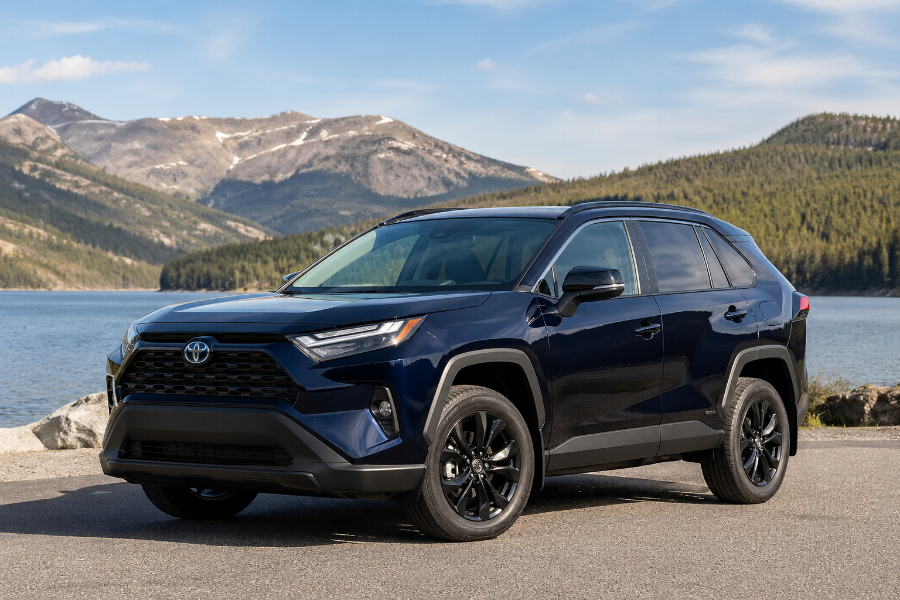
The 2026 model year reinforces the dominance of the Toyota RAV4 Hybrid as one of the most balanced and practical SUVs in the global market. As hybrid technology moves from niche adoption into the mainstream, buyers are increasingly prioritizing fuel efficiency, low ownership costs, and everyday usability without compromising performance. This shift has positioned hybrid SUVs at the center of modern automotive demand.
In today’s evolving landscape, consumers are no longer satisfied with traditional gasoline-powered SUVs that sacrifice efficiency for power. Instead, they want intelligent solutions—vehicles that deliver strong performance while reducing fuel consumption and emissions. The Toyota RAV4 Hybrid meets this expectation by combining a proven hybrid system with real-world practicality, making it highly relevant in 2026.
Moreover, the vehicle strikes a compelling balance between urban commuting and long-distance driving. It offers a smooth driving experience, advanced safety features, and a reputation for reliability, all of which contribute to its strong appeal. Consequently, the RAV4 Hybrid continues to stand out as a smart SUV choice for families, professionals, and environmentally conscious buyers alike.
Toyota RAV4 Hybrid Overview (2026)
The 2026 Toyota RAV4 Hybrid builds upon a well-established platform that has consistently evolved to meet modern driving demands. At its core lies a 2.5-liter four-cylinder engine paired with electric motors, forming a hybrid system that delivers approximately 219 horsepower. This configuration ensures that drivers benefit from both strong acceleration and impressive fuel efficiency, without the compromises typically associated with conventional SUVs.
In terms of efficiency, the RAV4 Hybrid achieves around 40 mpg combined, positioning it among the most fuel-efficient vehicles in its class. This is particularly significant in 2026, where fuel prices and environmental concerns continue to influence purchasing decisions. Additionally, the hybrid system allows seamless transitions between electric and gasoline power, ensuring smooth and responsive performance in various driving conditions.
Pricing for the Toyota RAV4 Hybrid typically ranges between $32,000 and $42,000+, depending on the trim level and features selected. This pricing strategy places it competitively within the hybrid SUV segment, offering a strong value proposition when compared to both gasoline and fully electric alternatives. Therefore, it appeals to a wide range of buyers looking for a cost-effective yet technologically advanced SUV.
Key Highlights:
- 2.5L hybrid powertrain (engine + electric motors)
- Approx. 219 horsepower combined output
- Around 40 mpg fuel efficiency
- Competitive pricing across trims
- Balanced performance and economy
Hybrid Technology & Performance
The Toyota RAV4 Hybrid uses an electronically controlled continuously variable transmission (e-CVT), which plays a crucial role in delivering smooth and efficient acceleration. Unlike traditional transmissions, the e-CVT eliminates gear shifts, resulting in a seamless driving experience that enhances both comfort and efficiency. This system is particularly effective in city driving, where stop-and-go traffic can otherwise reduce fuel economy.
Another standout feature is its electric all-wheel-drive (AWD) system. Instead of relying on a mechanical connection, the RAV4 Hybrid uses a rear electric motor to provide additional traction when needed. This setup not only improves performance in challenging conditions like rain or snow but also maintains efficiency by activating only when necessary. Consequently, drivers benefit from enhanced stability without sacrificing fuel economy.
Regenerative braking further enhances the vehicle’s efficiency by capturing energy during braking and converting it into electricity to recharge the battery. This process reduces energy waste and contributes to the overall efficiency of the hybrid system. As a result, the RAV4 Hybrid delivers a driving experience that is both responsive and environmentally conscious.
Performance Advantages:
- Smooth acceleration via e-CVT
- Intelligent AWD with rear electric motor
- Regenerative braking system
- Efficient energy distribution
- Reduced fuel consumption in urban driving
Mid-Segment Comparison
| Feature | Toyota RAV4 Hybrid | Honda CR-V Hybrid | Hyundai Tucson Hybrid |
|---|---|---|---|
| Price | $32K–$42K | $33K–$41K | $31K–$40K |
| Power | ~219 hp | ~204 hp | ~226 hp |
| Fuel Economy | ~40 mpg | ~38 mpg | ~37 mpg |
| Tech | Advanced | Modern | High-tech |
| Practicality | Excellent | High | High |
The Toyota RAV4 Hybrid stands out primarily due to its fuel efficiency and proven reliability. While competitors like the CR-V Hybrid and Tucson Hybrid offer strong alternatives, the RAV4 Hybrid maintains a consistent advantage in overall balance.
Interior & Technology
Inside the Toyota RAV4 Hybrid, drivers are greeted with a modern and functional cabin that emphasizes usability and connectivity. The infotainment system features a large touchscreen interface that supports smartphone integration, navigation, and voice commands. This ensures that drivers remain connected while minimizing distractions on the road.
The digital driver display provides essential information in a clear and customizable format. Drivers can monitor fuel efficiency, battery usage, and driving performance in real time, which enhances awareness and encourages efficient driving habits. Moreover, the layout is designed for ease of use, ensuring that even new users can quickly adapt to the system.
Toyota Safety Sense remains a key highlight, offering a suite of advanced driver assistance features. These include adaptive cruise control, lane-keeping assist, automatic emergency braking, and more. Together, these technologies significantly improve safety and reduce driver fatigue, especially during long journeys.
Technology Features:
- Large infotainment touchscreen
- Smartphone connectivity (Apple CarPlay/Android Auto)
- Digital driver display
- Advanced safety systems
- User-friendly interface
Practicality & Daily Usability
The Toyota RAV4 Hybrid excels in practicality, making it an ideal choice for families and daily commuters. The cabin offers ample space for passengers, ensuring comfort even on longer trips. Rear-seat legroom is generous, while the overall layout supports both driver convenience and passenger comfort.
Cargo capacity is another strong point, with enough room to accommodate groceries, luggage, or outdoor gear. The rear seats can be folded down to expand storage space, making the vehicle highly versatile. This flexibility is particularly useful for individuals who require both passenger space and cargo functionality.
Additionally, the ride quality is well-balanced, offering comfort on both city roads and highways. The suspension system absorbs road imperfections effectively, ensuring a smooth driving experience. Therefore, the RAV4 Hybrid proves to be a reliable companion for everyday use as well as extended travel.
Usability Benefits:
- Spacious interior
- Flexible cargo space
- Comfortable ride quality
- Suitable for city and highway
- Family-friendly design
Hybrid SUV vs Gas SUV vs EV SUV
| Feature | Hybrid SUV | Gas SUV | EV SUV |
|---|---|---|---|
| Cost | Moderate | Lower upfront | Higher upfront |
| Efficiency | High | Moderate | Very High |
| Maintenance | Low | Moderate | Low |
| Range | Long | Long | Limited (charging dependent) |
| Convenience | High | High | Charging required |
This comparison highlights why hybrid SUVs like the RAV4 Hybrid are increasingly seen as a middle ground between traditional and fully electric vehicles.
Why Buyers Choose RAV4 Hybrid?
One of the main reasons buyers choose the Toyota RAV4 Hybrid is its exceptional fuel efficiency compared to traditional SUVs. With rising fuel costs, the ability to save significantly on fuel expenses becomes a major advantage. This efficiency does not come at the expense of performance, making it a well-rounded option.
Another key factor is Toyota’s long-standing reputation for reliability. Hybrid systems developed by Toyota have proven to be durable and efficient over time. This reliability reduces the risk of unexpected repairs and enhances buyer confidence, especially for long-term ownership.
Additionally, the RAV4 Hybrid offers balanced pricing within the hybrid segment. It provides advanced technology and features without entering the premium pricing territory of luxury SUVs. Therefore, it appeals to buyers seeking value, performance, and efficiency in a single package.
Buyer Appeal:
- High fuel efficiency
- Proven reliability
- Competitive pricing
- Strong resale value
- Practical design
Cost & Ownership
Owning a Toyota RAV4 Hybrid comes with several financial advantages over time. Fuel savings alone can significantly offset the initial purchase cost, especially for drivers who commute regularly. The hybrid system ensures that less fuel is consumed, resulting in lower monthly expenses.
Maintenance costs are also generally lower compared to performance-oriented SUVs. Hybrid systems experience less wear on components like brakes due to regenerative braking. This reduces the frequency of replacements and contributes to long-term savings.
Furthermore, the RAV4 Hybrid maintains strong resale value in the market. Hybrid vehicles are increasingly in demand, and Toyota’s reputation further enhances resale potential. Consequently, buyers can expect a better return on investment when selling or trading in the vehicle.
Ownership Benefits:
- Reduced fuel costs
- Lower maintenance expenses
- Strong resale value
- Long-term savings
- Efficient daily operation
Limitations & Considerations
Despite its many strengths, the Toyota RAV4 Hybrid is not without limitations. One notable drawback is that it does not offer the same level of power as performance-focused SUVs. While it delivers adequate acceleration, drivers seeking high-performance capabilities may find it less exciting.
Interior materials, while functional and durable, may not match the premium quality found in luxury competitors. This is an area where some buyers may feel the vehicle lacks refinement, especially at higher trim levels.
Another consideration is the long-term cost of hybrid battery replacement. Although hybrid batteries are designed to last many years, eventual replacement can be expensive. However, this cost is often offset by the savings achieved through fuel efficiency over time.
Considerations:
- Moderate performance levels
- Interior not luxury-grade
- Potential battery replacement cost
- Not designed for high-speed driving
2026 Hybrid SUV Trends
The automotive industry in 2026 is witnessing rapid growth in hybrid adoption, driven by environmental concerns and regulatory pressures. Consumers are increasingly turning toward electrified powertrains as a way to reduce emissions without fully committing to electric vehicles.
Hybrid SUVs are becoming mainstream rather than niche, as manufacturers refine their technology and improve efficiency. Vehicles like the Toyota RAV4 Hybrid represent what can be described as “smart efficiency platforms”—they integrate advanced technology with practical usability, offering a seamless transition toward electrification.
Moreover, hybrids serve as a bridge between traditional gasoline vehicles and fully electric models. They provide the benefits of electrification without the limitations of charging infrastructure, making them highly attractive in regions where EV adoption is still developing. Therefore, the RAV4 Hybrid is well-positioned within this evolving landscape.
Market Trends:
- Growing hybrid adoption globally
- Shift toward electrified vehicles
- Increased demand for efficiency
- Hybrids as transition technology
- Mainstream acceptance
FAQs
How much does Toyota RAV4 Hybrid cost?
The price typically ranges from $32,000 to $42,000+, depending on trim and features.
Is it fuel efficient?
Yes, it delivers around 40 mpg combined, making it one of the most efficient SUVs in its class.
Does it have AWD?
Yes, it features an electric AWD system with a rear motor for improved traction.
Is it reliable?
Toyota hybrids are known for their durability and long-term reliability.
Is it worth buying in 2026?
Yes, it offers a strong balance of efficiency, performance, and practicality, making it a smart SUV choice.