Having healthy soil is important for any garden to be successful. Good soil leads to healthy plants, which produce plenty of fruit and vegetables and can resist bugs and pests. The best way to increase the quality of soil is to use compost blends. To grow better and healthier plants, this blog shows you how to do that with compost blends.
1. Understand What Compost Blends Do
Compost mixtures enrich soil by adding nutrients and organic substances. They also promote the growth of healthy bacteria, as opposed to chemical fertilisers. When you use compost blends, you also improve the soil structure. It keeps nutrients and food separate for the plants during their entire growth cycle so the plants will get the same nutrients over and over.
2. Choose the Right Materials for Your Blend
Not all compost is the same, so there is a need to select the right materials. A beneficial compost mix is a mixture of green and brown materials used for decomposition and nutrient content.
When you’re sourcing good soils and composts, you want mixes that are well aged and clean from contaminants. If the compost is dark and earthy in nature with an earthy smell, such signs are indicators that the materials have broken down and are ready to work with.
3. Improve Soil Structure Naturally
A poor soil can be too compact or loose, so roots are difficult to grow in. Compost helps create a thick, smooth texture that encourages healthy root development.
When added to the soil, compost helps aerate it and reduce compaction. This enables roots to spread more easily and access nutrients. As time passes, the productivity and workability of your soil will increase.
4. Boost Soil Nutrient Levels
Compost blends slowly release nutrients like nitrogen, phosphorus, and potassium so plants can grow properly. Quick-release fertilisers, on the other hand, can cause uneven growth because they release nutrients all at once.
It is better for plants to grow in the long term when you use compost to improve the soil. There is a steady supply of nutrients for plants because compost blends are made to release nutrients slowly.
5. Support Beneficial Microorganisms
Bacteria, fungi, and many other microorganisms live in healthy soil. These organisms decompose organic matter and enrich the soil with nutrients. These beneficial microbes will be brought into your soil and fed by the addition of compost. A garden with living soil is more balanced and can handle stress better.
6. Apply Compost Correctly
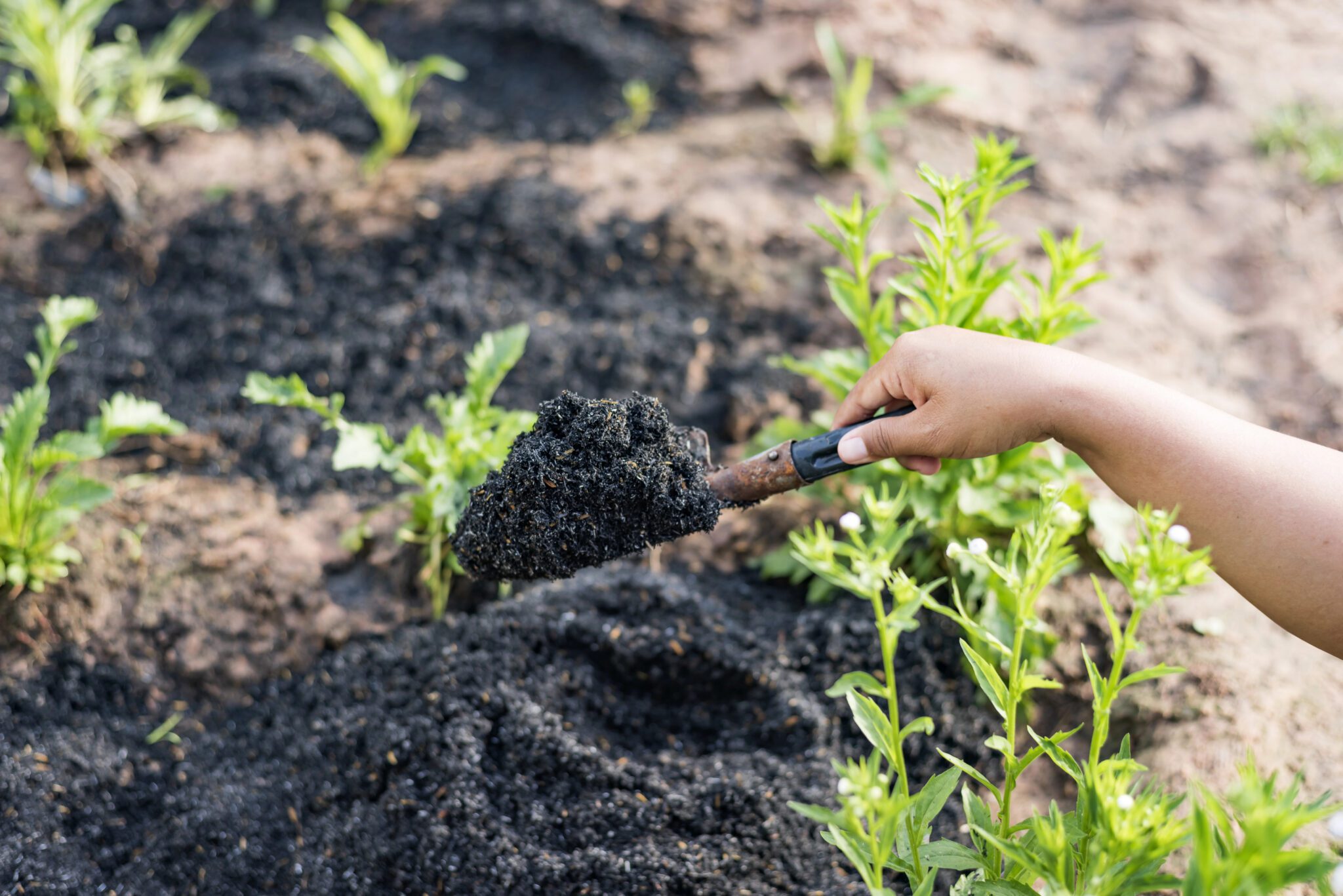
Using compost correctly is just as important as the compost itself. You should apply a thin top layer of compost evenly to your garden beds. If needed, you can either blend the compost into the top layer of soil or leave it as a top mulch layer. Nutrients can only reach the roots of plants when they are present in the soil.
7. Maintain Soil Health Over Time
Achieving healthy soil is a continual process that requires your ongoing efforts. Compost blends should be added into your soil routine to manage soil health.
You should add compost either during the changing of the seasons or prior to the cultivation of new crops. This practice will keep your soil rich and productive for many years. After some more time, your garden will continue to be healthy.
Grow Better Plants With Healthier Soil
Improving your soil with compost blends is one of the best ways to support plant growth. At the same time, compost reduces waste, and it offers the benefit of keeping your garden’s long-term health. If you commit to building better soil, you’ll create a healthy and productive outdoor space.