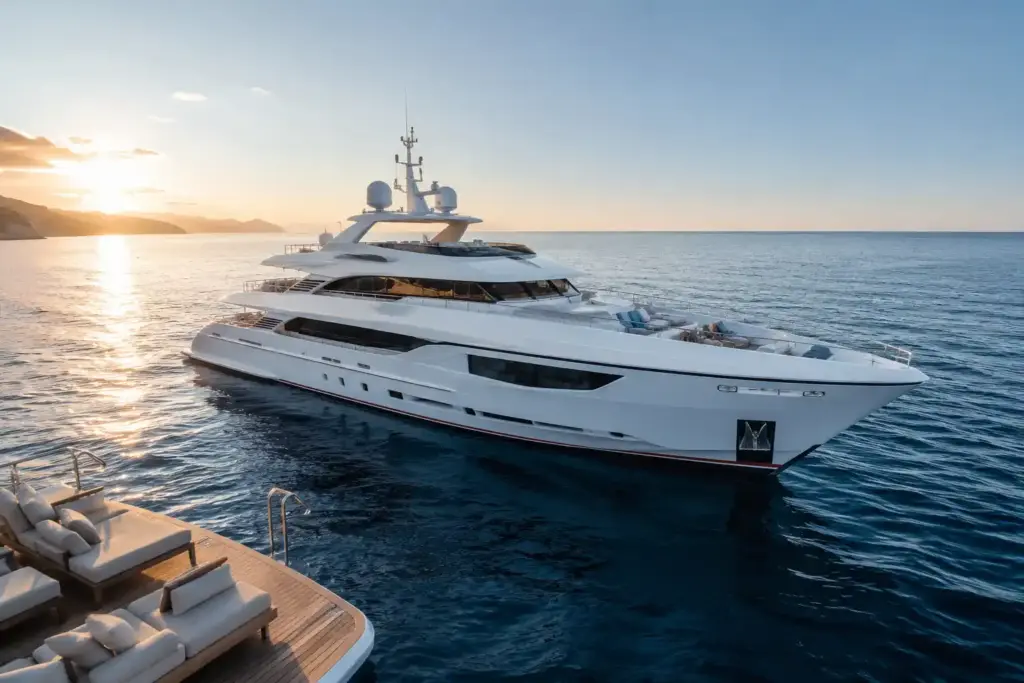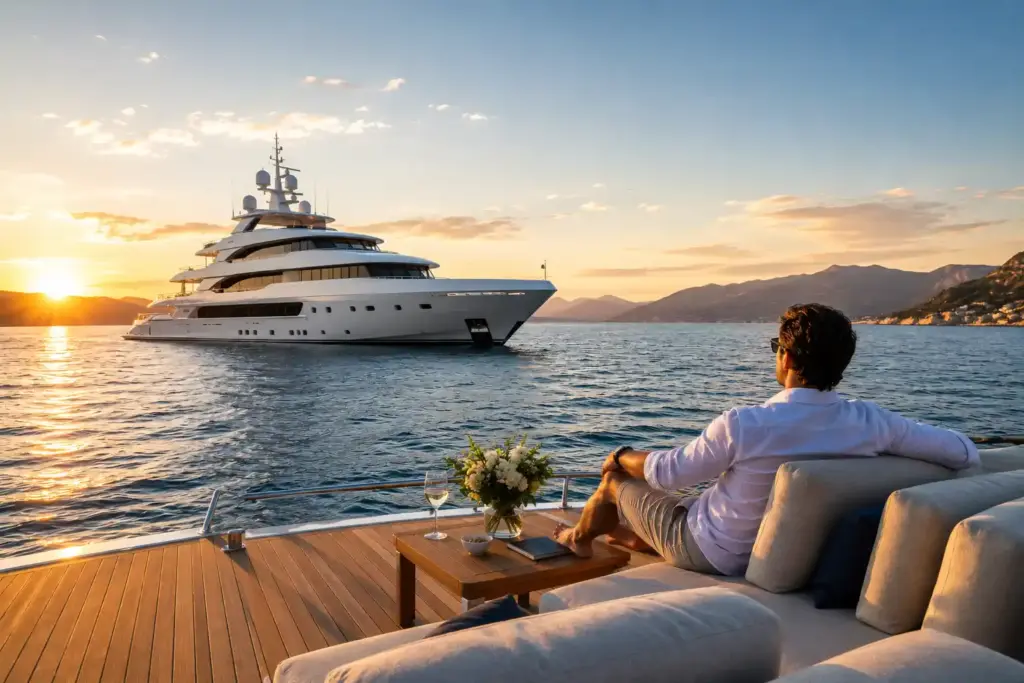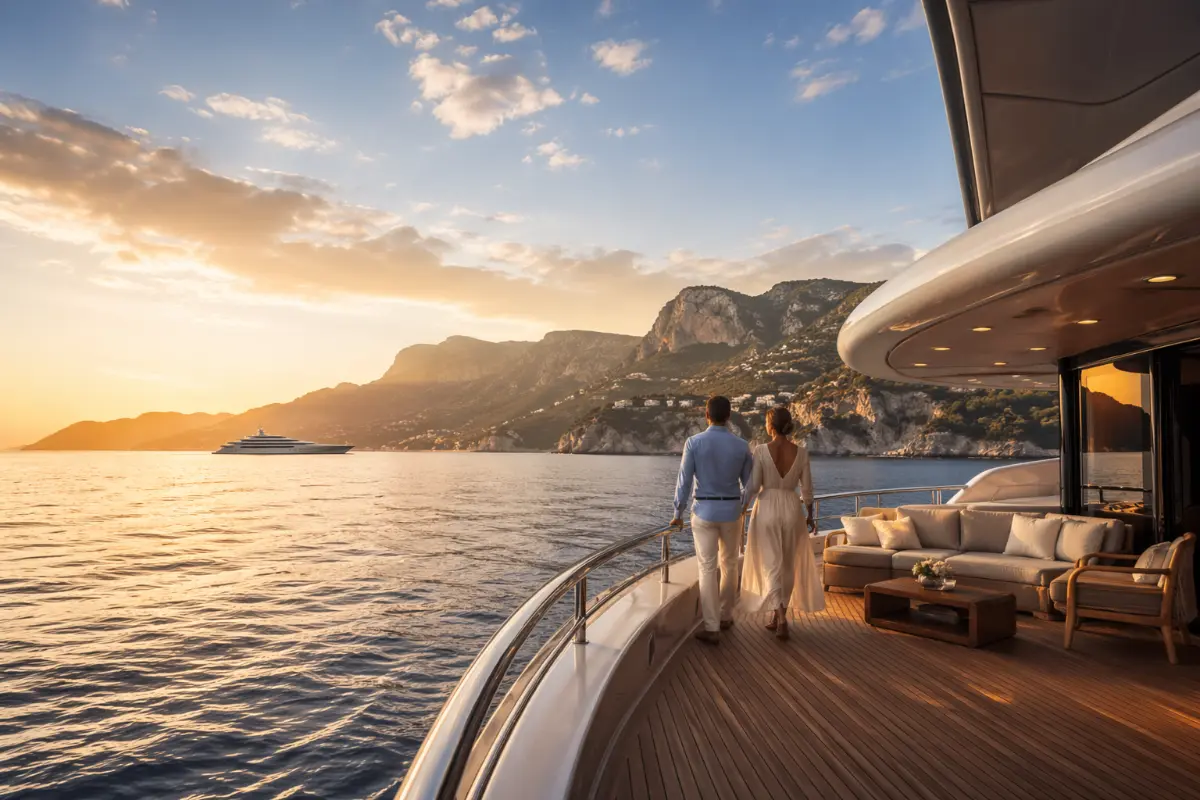
In 2026, Yacht Charters are no longer viewed solely as symbols of luxury travel or leisure indulgence. Instead, they have evolved into strategic lifestyle assets used by ultra-high-net-worth (UHNW) individuals, corporations, and global decision-makers. This shift reflects a broader transformation in how wealth is deployed—not just for comfort, but for influence, positioning, and measurable outcomes.
Across global business circles, yacht charters are increasingly being utilized as private environments for high-level interaction, enabling executives, investors, and entrepreneurs to operate outside traditional office structures. The controlled, exclusive nature of these spaces creates a powerful setting for negotiations, partnerships, and long-term relationship building.
Moreover, the perception of yachts has moved from passive luxury to active experience platforms. These floating ecosystems combine privacy, mobility, and elite service, making them uniquely suited for strategic engagement. As a result, yacht charters now sit alongside private jets and investment portfolios—not just as status symbols, but as tools of influence and business leverage.
What Makes Yacht Charters a Strategic Asset?
Yacht charters provide a highly controlled and private environment, which is increasingly valuable in an era where confidentiality and discretion are critical to business success. Unlike hotels or conference venues, yachts eliminate external distractions and allow only invited individuals onboard, ensuring that discussions remain secure and focused. This level of control is particularly important for high-stakes negotiations, mergers, and investor meetings.
Additionally, yacht charters enable elite networking opportunities in a curated setting. Invitations to a yacht are inherently selective, which elevates the perceived value of the interaction. Consequently, relationships formed in such environments tend to carry more weight, as participants recognize the exclusivity and intentionality behind the gathering.
Furthermore, yachts serve as powerful branding tools. Hosting clients or partners on a superyacht signals success, attention to detail, and commitment to excellence. This form of lifestyle signaling can significantly enhance brand perception, especially in industries where image and reputation play a critical role in deal-making and client acquisition.
Yacht Charters vs Traditional Luxury Assets
When compared to traditional luxury assets such as private jets and luxury villas, yacht charters offer greater flexibility and multi-functional value. Private jets, while efficient for transportation, are limited in their ability to host extended interactions. Luxury villas, on the other hand, provide comfort but lack mobility and exclusivity control at the same level as yachts.
Yacht charters combine the advantages of both. They function as mobile environments that can be deployed across global destinations, allowing users to host events in Monaco one week and the Maldives the next. This flexibility enhances their strategic utility, particularly for global businesses that operate across multiple regions.
Moreover, yachts deliver higher experiential value per use. The combination of luxury amenities, scenic backdrops, and personalized service creates a memorable experience that strengthens relationships and leaves a lasting impression. This experiential advantage translates into tangible business benefits, including stronger partnerships and increased client loyalty.
Yacht Charters vs Other Luxury Assets (2026 Comparison)
| Asset Type | Cost Range | Flexibility | ROI Value | Use Case |
|---|---|---|---|---|
| Yacht Charters | $150K–$1M+/week | High | High (experiential) | Networking, events, deals |
| Private Jets | $5K–$15K/hour | Medium | Medium | Travel efficiency |
| Luxury Villas | $20K–$200K/week | Low | Low–Medium | Leisure, extended stays |
Business & Networking Use Cases
One of the most significant advantages of yacht charters is their ability to host corporate retreats and executive summits in a distraction-free environment. These settings allow leadership teams to focus on strategy, innovation, and decision-making without the interruptions typically associated with office environments.
Yachts also serve as private deal-making platforms. The exclusivity and comfort of the setting encourage open dialogue and trust, which are essential for closing high-value agreements. Consequently, many UHNW individuals and corporations prefer yachts for negotiations that require confidentiality and relationship-building.
In addition, yacht charters are increasingly used for high-profile events and brand experiences. From product launches to investor gatherings, these events benefit from the unique ambiance and prestige associated with yachts. The result is a powerful combination of entertainment and strategic engagement that enhances both brand visibility and business outcomes.
Cost & ROI Perspective
The cost of yacht charters in 2026 varies significantly depending on the size, location, and level of luxury. A typical superyacht charter ranges from $150,000 to over $1 million per week, excluding additional expenses such as fuel, crew gratuities, and specialized services. While these figures may appear substantial, the return on investment is often evaluated differently compared to traditional assets.
Rather than focusing solely on financial returns, yacht charters generate experiential ROI. This includes strengthened relationships, successful deal closures, and enhanced brand positioning. For example, a single high-value business deal secured during a yacht event can easily exceed the cost of the charter.
Moreover, yacht charters offer flexibility in deployment, allowing users to align their investment with specific business objectives. Whether hosting a client in the Mediterranean or organizing a corporate retreat in Southeast Asia, the ability to tailor the experience adds to the overall ROI.
Yacht Charter ROI vs Cost Analysis
| Cost Level | Business Value | Networking Impact | Flexibility | ROI Type |
|---|---|---|---|---|
| High ($150K–$1M+) | Very High | Elite-level | High | Experiential + Deals |
| Medium | Moderate–High | Strong | Medium | Relationship-based |
| Low (smaller yachts) | Moderate | Targeted | Medium | Niche networking |
Charter vs Ownership: Strategic Decision
Choosing between chartering and owning a yacht is a critical decision for UHNW individuals and corporations. Chartering offers maximum flexibility, allowing users to select different yachts based on their needs without the burden of maintenance, crew management, or long-term commitments.
In contrast, yacht ownership involves significant costs, including maintenance, docking fees, insurance, and crew salaries. These expenses can reach millions annually, making ownership less efficient for those who do not use the yacht frequently.
Additionally, fractional ownership models are emerging as a hybrid solution. These models allow multiple parties to share ownership, reducing costs while retaining some level of exclusivity. However, even with these options, chartering remains the preferred choice for those seeking strategic efficiency and adaptability.
Luxury Experience Still Matters
Despite the strategic focus, the luxury experience remains a core component of yacht charters. Modern superyachts are equipped with amenities such as spas, cinemas, gyms, and beach clubs, providing an unparalleled level of comfort and entertainment.
The presence of highly trained crews further enhances the experience. From personalized dining to curated itineraries, every aspect of the journey is tailored to meet the preferences of guests. This level of service plays a crucial role in creating a positive and memorable environment for business interactions.
Moreover, the luxury experience contributes to relationship-building and client impression. Hosting clients in such an environment demonstrates attention to detail and commitment to excellence, which can significantly influence business outcomes.
Read Also: Algarve Luxury Yacht Charter: Ultra-Exclusive Superyachts
Why Corporations Use Yacht Charters?
Corporations are increasingly leveraging yacht charters for client entertainment and retention. These experiences go beyond traditional hospitality, offering a unique setting that strengthens client relationships and fosters loyalty.
Yachts also enable executive relaxation combined with productivity. The serene environment allows leaders to recharge while remaining engaged in strategic discussions, resulting in improved decision-making and creativity.
Furthermore, yacht charters serve as floating corporate assets that enhance brand image and exclusivity. By associating their brand with high-end experiences, companies can position themselves as leaders in their respective industries.
Limitations & Considerations
While yacht charters offer numerous advantages, they also come with certain limitations. The high upfront cost can be a barrier, particularly for organizations that are not accustomed to experiential investments.
Weather and seasonal dependency are additional factors to consider. Certain destinations are only accessible during specific times of the year, which can impact planning and availability.
Moreover, limited availability during peak seasons requires early booking and strategic planning. Failure to secure a yacht in advance can result in missed opportunities, particularly for time-sensitive events.
2026 Trends in Yacht Charters
The yacht charter industry is experiencing significant growth in corporate usage, driven by the increasing demand for unique and impactful business environments. This trend is expected to continue as more organizations recognize the strategic value of experiential assets.
There is also a shift toward privacy-focused luxury, with clients prioritizing discretion and exclusivity over traditional forms of luxury. This aligns with the broader trend of personalized and secure experiences.
Additionally, the integration of advanced technology is transforming yacht charters into fully functional business environments. High-speed connectivity, virtual meeting capabilities, and smart systems enable seamless operations, even in remote locations.
FAQs
Are yacht charters considered assets?
Yes, they are increasingly viewed as strategic assets due to their ability to generate experiential and relationship-based ROI.
How much does it cost to charter a yacht?
Costs typically range from $150,000 to over $1 million per week, depending on the yacht and location.
Why do businesses use yacht charters?
Businesses use them for networking, client engagement, and high-level meetings in a private environment.
Is chartering better than owning a yacht?
For most users, chartering is more efficient due to lower costs and greater flexibility.
What is the ROI of yacht charters?
ROI is measured in relationships, deals, and brand positioning rather than direct financial returns.