For years, the most compelling investment opportunities have moved through informal networks, often out of reach for even well-capitalized investors. Today, that dynamic is becoming more structured. A new layer of firms and communities is emerging that focus less on deploying capital and more on organizing the relationships that determine deal access and where capital flows.
These groups are not replacing traditional venture capital or private equity. They are sitting alongside them, reshaping how opportunities are sourced, evaluated, and shared.
The Rise of Structured Access
At the center of this shift are organizations that treat relationships as infrastructure rather than as a byproduct of investing.
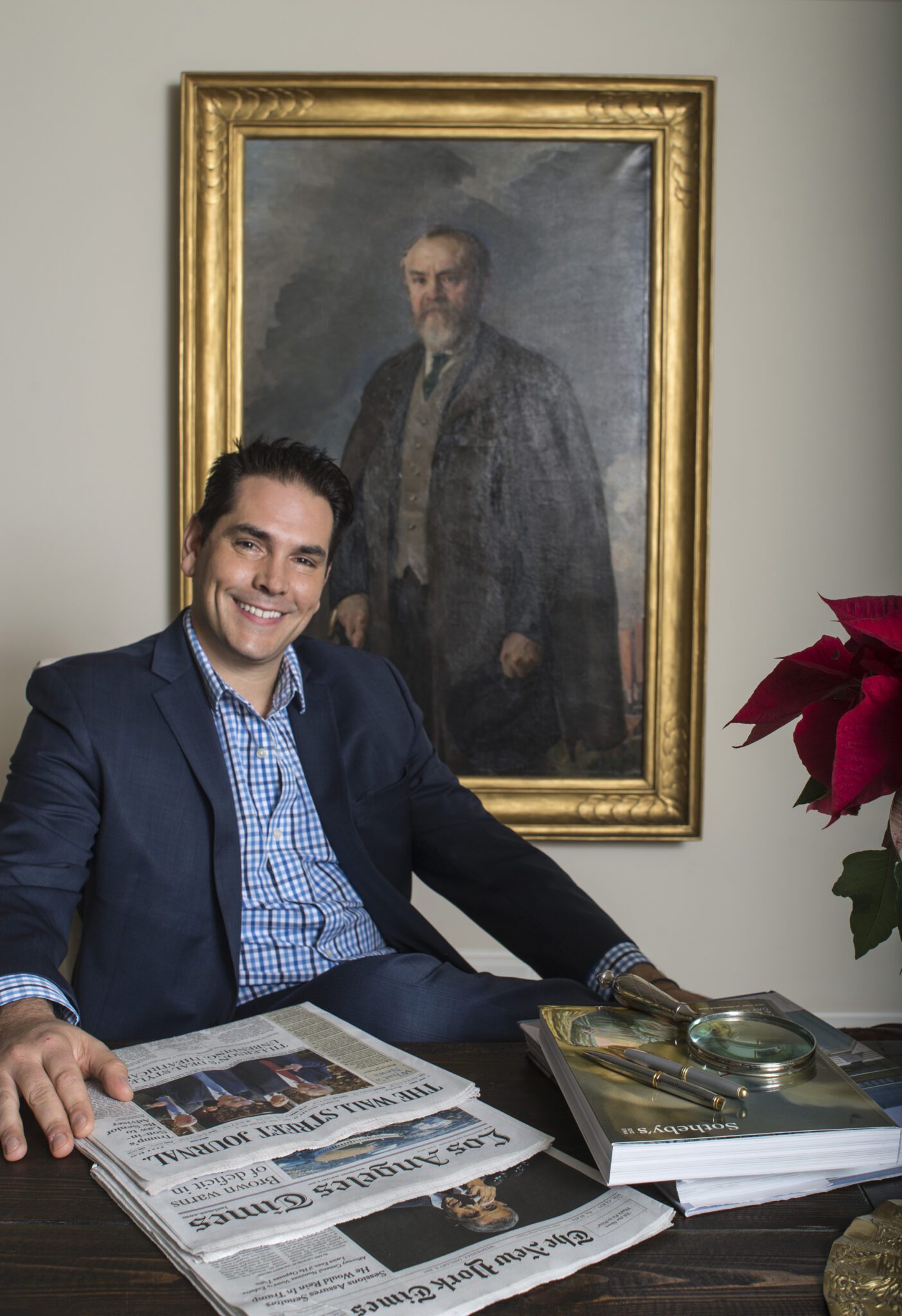
Avant Global is one example. Over nearly three decades, it has built a network of more than 27,000 relationships spanning six continents, representing an estimated $2 trillion in collective net worth. Within that ecosystem are hundreds of billionaires and more than a thousand ultra-high-net-worth individuals. For Demetri Argyropoulos, Founder of Avant Global, this scale reflects a broader shift in how private markets operate. “Relationships have become a form of infrastructure in private markets. When cultivated with intention, they create a level of access that capital alone cannot unlock.”
Platforms such as Ron Biscardi’s iConnections have approached the same challenge through technology and in-person events designed for one on one meetings and introductions, expanding access to private market investments for wealth managers and their clients.

At the same time, curated communities like 1640 Society, an Impact Wealth Magazine partner, are playing an increasingly important role. By convening the top family offices around the world and investors in highly targeted settings, they create environments where relationships can form with intention. These networks often serve as a gateway to co-investment opportunities, direct deals, and strategic partnerships that would otherwise remain fragmented.
Access also increasingly depends on institutional alignment. As Alexander Gorman, CFP a wealth manager at Morgan Stanley, has observed, clients who are positioned within the right platforms can gain entry into opportunities that are otherwise unavailable. In select cases, this has included exposure to highly sought-after private companies such as SpaceX, where allocation is limited and participation is often determined by existing relationships between firms, issuers, and capital partners.
While each model operates differently, they share a common premise. Access, when structured and cultivated, becomes a scalable and valuable asset.
Where the Best Opportunities Begin
Much of the value in private markets is created before a deal becomes widely visible.

From early-stage technology ventures to niche consumer brands, many of the most attractive opportunities are allocated within small circles long before institutional capital enters. Firms and communities that operate within these early networks are able to participate at a stage where pricing, influence, and long-term upside are fundamentally different.
Between 2009 and 2025, Avant Global participated in 127 investments and strategic projects across artificial intelligence, fintech, blockchain, and healthcare, among others, with a clear focus on opportunities where access is limited and relationships drive outcomes.
Value creation in this model extends beyond capital. It includes introducing co-investors, facilitating partnerships, and connecting companies with early customers or strategic stakeholders.
From Informal Networks to Scalable Systems
Relationship-driven investing has traditionally been difficult to scale. It has relied on personal networks built over time, often concentrated among a small number of individuals.
What is changing now is the systematization of those networks.
Firms are applying structured processes and technology to manage relationships more effectively. CRM systems, data analytics, and AI tools are being used to identify relevant connections and surface opportunities with greater precision.
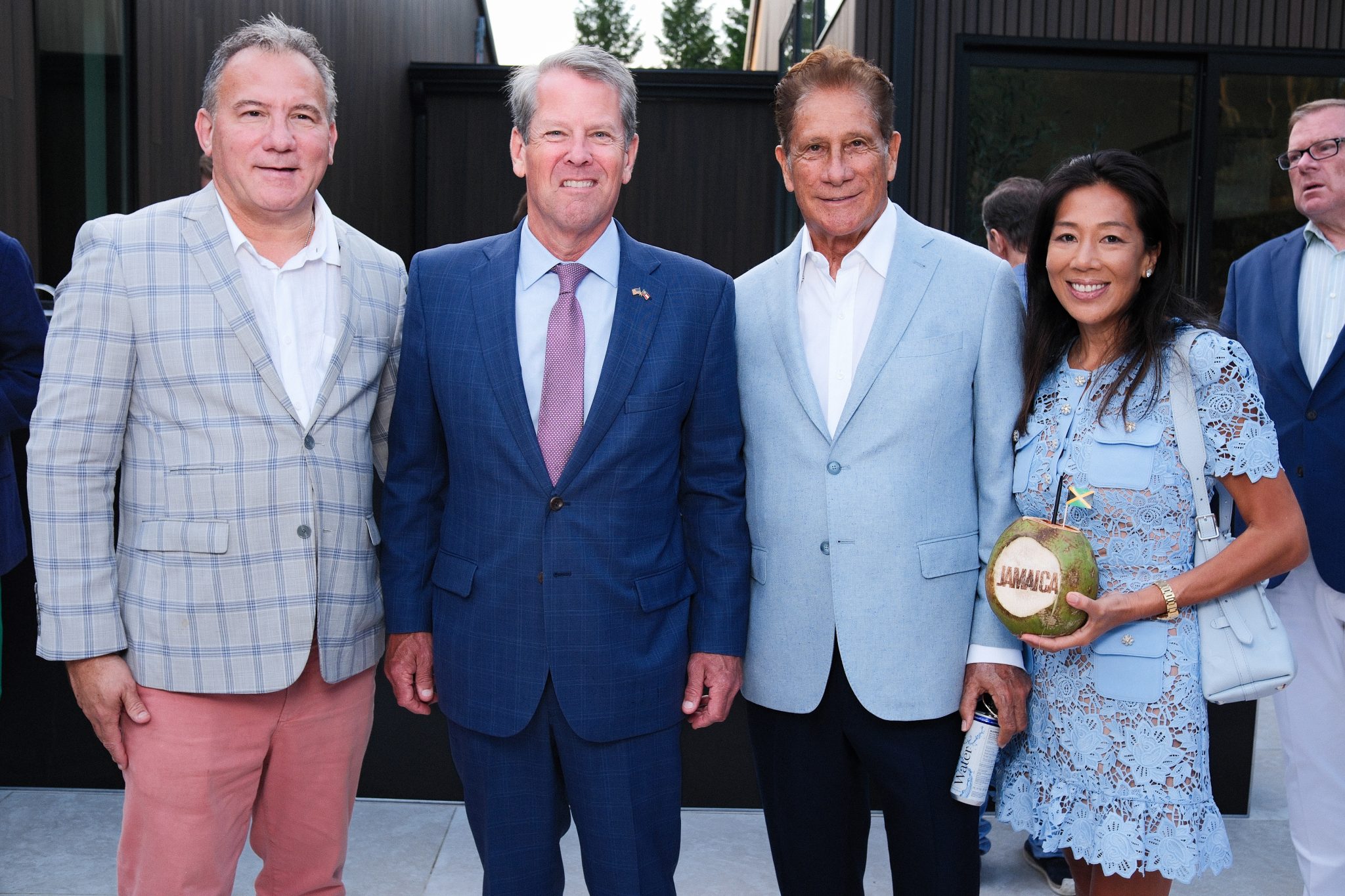
At the same time, organizations like the 1640 Society continue to demonstrate the importance of in-person connection. Their gatherings bring together family offices and investors in environments designed to foster trust and long-term alignment. In many cases, these interactions lead directly to investment opportunities that are never broadly marketed.
A Market Looking for Alignment
The timing of this evolution reflects broader changes in capital markets.
Family offices and ultra-high-net-worth investors are increasing allocations to alternative investments, yet many continue to face challenges accessing differentiated opportunities. At the same time, companies in emerging sectors often need more than funding. They require introductions, partnerships, and strategic and regulatory guidance especially to navigate the nascent industries like AI and blockchain.
Firms and communities operating as relationship platforms sit between these needs. They provide investors with curated access while offering companies a pathway into networks that would otherwise take years to build.
This intermediary role is becoming more valuable as markets grow more complex and interconnected. In a market where capital is abundant, the ability to access the right opportunities, and to be invited into them early, is emerging as a distinct and durable edge.