Walking through any city today shows a common sight. Almost everyone has a screen in their hand or in front of their face. We rely on these devices for nearly everything in our lives. Work and social life happen on digital displays now. This constant connection has a cost for our physical health. Eyes often take the biggest hit from these habits. Knowing how to protect your vision is a smart move for everyone.
The Rise of Constant Connectivity
Most people spend most of their day looking at a glass rectangle. One data set suggests that people spend over 6 hours and 40 minutes on screens every single day. This is a huge part of our waking hours. Much of this time happens at work or during school hours. Remote work has changed how we interact with technology, too. A recent study found a 40 percent increase in screen exposure lately. This shift means our eyes never get a break from the glare. We move from laptops to phones without a second thought. Our biology was not built for this level of light.
Understanding Eye Fatigue
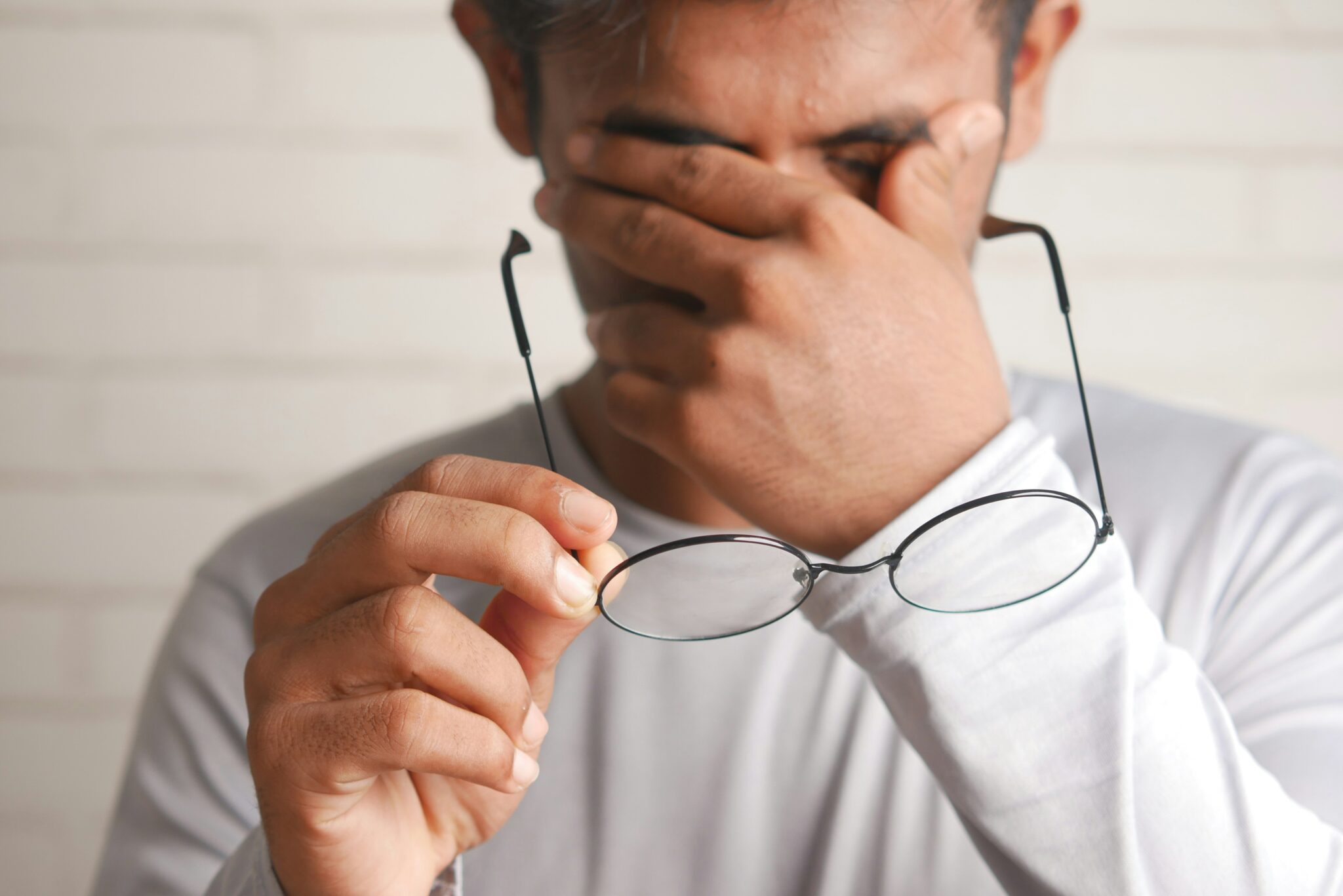
Many people look for ways to protect their vision during long work days. Opting for quality blue light glasses may assist in reducing the intensity of light hitting the retina. These tools are becoming a staple in modern office setups. You might notice your eyes feel heavy after a long shift. Maybe they feel dry or itchy by the afternoon. These are signs that your vision is struggling to keep up. Taking small breaks can make a big difference for your comfort. Looking away from the screen helps the muscles relax. You do not need fancy gear to start making changes.
Why Screen Use Changes Eye Health
The way we use screens actually changes our physical habits. Studies show that people blink about 60 percent less when they look at a monitor. This lack of moisture causes the eyes to dry out. It can lead to a scratchy feeling that lasts all day. A study found that 56.7 percent of people with ocular surface issues had computer vision syndrome. These numbers show that the problem is widespread. Keeping the eyes lubricated is hard when we are focused. We get lost in our work and forget to blink. This habit builds up over time and causes lasting discomfort.
Navigating Blue Light Exposure
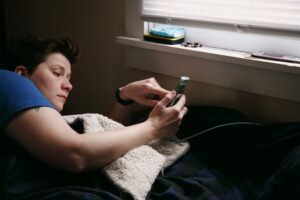
Digital screens emit a specific type of light that can be tricky. This light can mess with how we sleep at night. One article pointed out that increased blue light exposure disrupts sleep patterns. It tells the brain to stay awake when it should be resting. Scientific data says that light in the 460-480 nm range stops the brain from making melatonin. This is the hormone that helps you fall asleep. Another study found that 464 nm light has a strong effect on our internal clock. It provides more stimulation than red light does. This is why using a phone before bed is a bad idea. Your brain thinks it is still daytime.
Practical Habits for Daily Relief
There are simple steps you can take to feel better. You do not have to give up your devices to find relief. Small adjustments to your desk can help.
- Keep your screen at arm’s length.
- Follow the 20-20-20 rule every day.
- Adjust the brightness to match the room.
- Use a larger font to stop squinting.
These habits are easy to start today. They help reduce the workload on your eyes. You can try using artificial tears if your eyes feel dry. Make sure your room has plenty of soft light. Avoid working in total darkness with a bright screen.
Long-Term Effects of High Usage
The number of people dealing with this is growing fast. Statistics show that about 60 million people worldwide deal with these issues. Almost one million new cases appear every single year. This shows that the problem is not going away on its own. We need to be proactive about our eye health. Ignoring the signs can lead to more serious vision problems later. It is better to start good habits now. Protect your eyes so they can serve you well for years. Regular eye exams are a great way to track your health.
Managing eye health is a part of living a modern life. We cannot escape screens, but we can change how we use them. Paying attention to how your eyes feel is the best guide. Small changes in your routine will lead to better comfort. You will likely feel more focused and less tired. Taking care of your vision helps you stay productive and happy. It is a small investment of time for a big reward. Start today and notice the difference.