Modern cities rely on vertical transportation to function every single day. We step into elevators without a second thought, trusting that the complex pulleys, sensors, and cables behind the walls will function with perfect mechanical precision to get us to our destination.
When these systems fail, the results are often sudden and terrifying for those trapped inside the cabin. A routine trip between floors can turn into a nightmare of unpredictable movement that leaves passengers feeling completely helpless against the immense power of industrial machinery.
Sudden drops or jerky stops can result in life-altering physical trauma that persists long after the incident ends. Pursuing justice in elevator accidents requires a deep look into the systemic issues caused by elevator maintenance negligence in high-rise infrastructure.
When Precision Equipment Fails
One of the most frequent and dangerous issues occurs when a car fails to level properly with the floor. This creates a tripping hazard that can cause a passenger to fall forward into the hard interior of the cabin or backward onto the lobby floor.
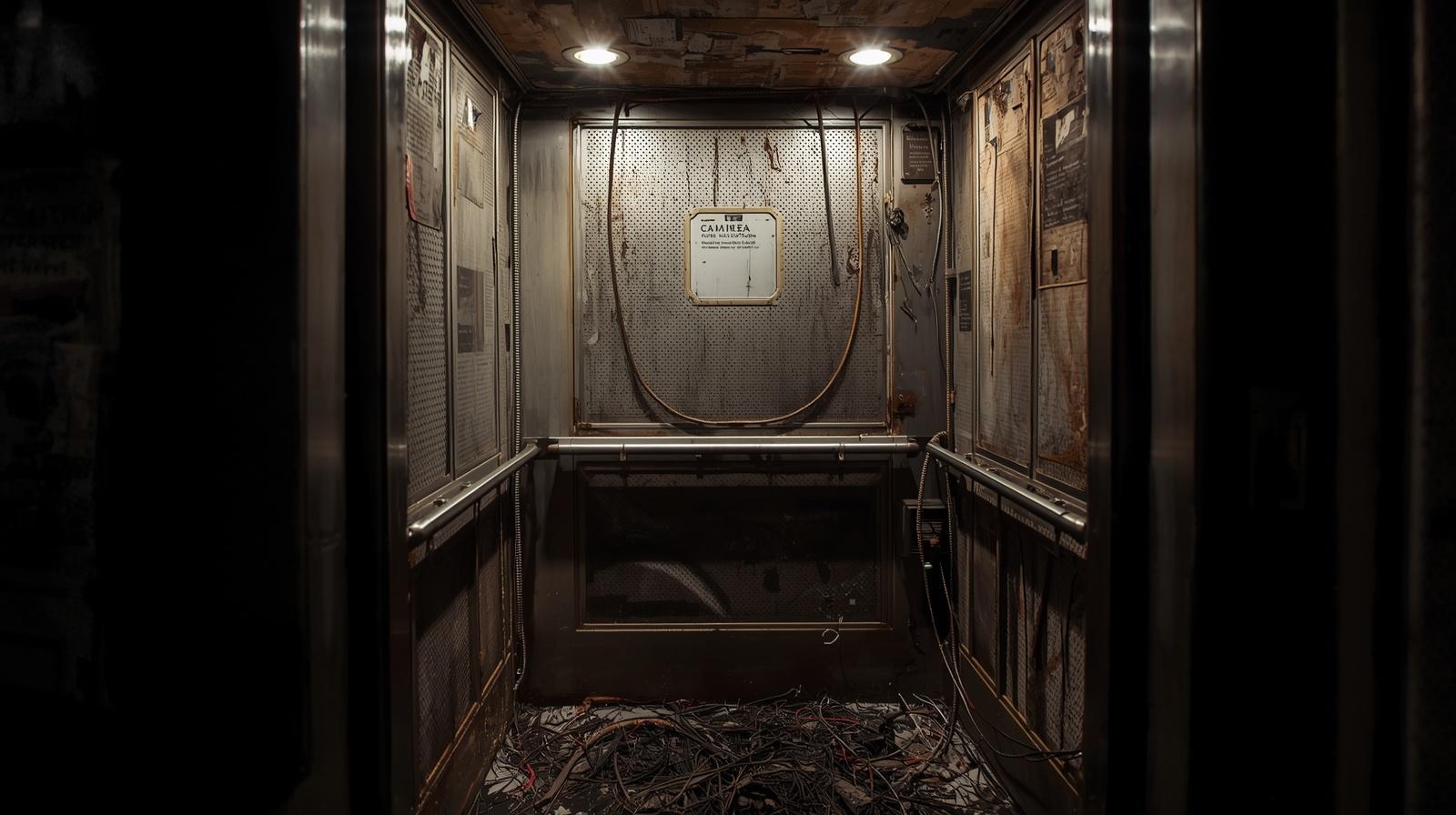
Sudden drops are even more harrowing, as the rapid change in velocity places immense strain on the human skeletal system. If the emergency braking systems have not been serviced, a minor mechanical glitch can quickly escalate into a free-fall scenario that threatens everyone on board.
Faulty door sensors also present a significant risk, especially for children or the elderly who may move more slowly. When these sensors fail to detect an obstruction, the heavy metal doors can close with enough force to cause severe crushing injuries or bone fractures.
The Chain of Responsibility
Building owners carry the ultimate responsibility for ensuring that every piece of equipment on their property is safe for public use. This obligation cannot be ignored or delegated away when it comes to the complex systems that move thousands of people through a building daily.
Third-party maintenance contractors are often hired to handle the technical aspects of upkeep and repair. These companies must follow strict state safety codes and perform inspections at scheduled intervals to ensure that every component is functioning within the required safety tolerances for the machinery.
Failure to adhere to these rigorous standards creates a direct path to liability when an accident occurs. If a contractor cuts corners or a property manager ignores a known vibration or strange noise, they are essentially gambling with the physical safety of their tenants and guests.
The Cost of Mechanical Impact
The physical toll of an elevator accident is often catastrophic because of the sheer weight and force involved in these mechanical systems. Spinal damage is a common outcome when a cabin stops abruptly, sending a shockwave through the bodies of everyone standing inside the small space.
Crush syndrome can occur if a limb is caught in the doors or if the cabin moves while someone is attempting to enter or exit. These injuries require immediate and intensive medical intervention to prevent permanent disability or even the loss of a limb due to tissue death.
Long-term rehabilitative needs are a standard part of the recovery process for survivors of heavy machinery accidents. The road back to health often involves months of physical therapy, multiple surgeries, and a significant amount of time away from professional or personal responsibilities.
Uncovering the Paper Trail
Proving that a malfunction was preventable requires a meticulous review of all available maintenance logs and service history. These records provide a timeline of when parts were replaced and whether the property manager followed the specific recommendations of the technicians who inspected the units.
Video surveillance from inside the cabin or the lobby can provide critical evidence of exactly how the machinery behaved during the event. Comparing this footage with the official inspection tags found in the elevator room often reveals discrepancies in how the equipment was actually being managed.
Systemic issues often come to light when multiple residents or employees have reported the same problem over several weeks. When a paper trail shows that management was aware of a malfunctioning sensor but chose to delay the repair, the case for negligence becomes undeniable.
Conclusion
Navigating the complexities of premises liability requires a clear focus on the mechanical and legal standards that govern high-rise buildings. When property managers fail to prioritize safety, the legal system provides a way for victims to seek the compensation they need to rebuild their lives.
Holding these entities accountable ensures that other buildings take their maintenance duties more seriously in the future. It is not just about one individual case but about maintaining a standard of safety that protects every person who relies on vertical transportation to get through their day.
Mechanical failures are rarely truly random events, as they are almost always the result of a chain of overlooked details. Ensuring that those responsible for the upkeep of these systems face the consequences of their neglect is the only way to prevent future tragedies.