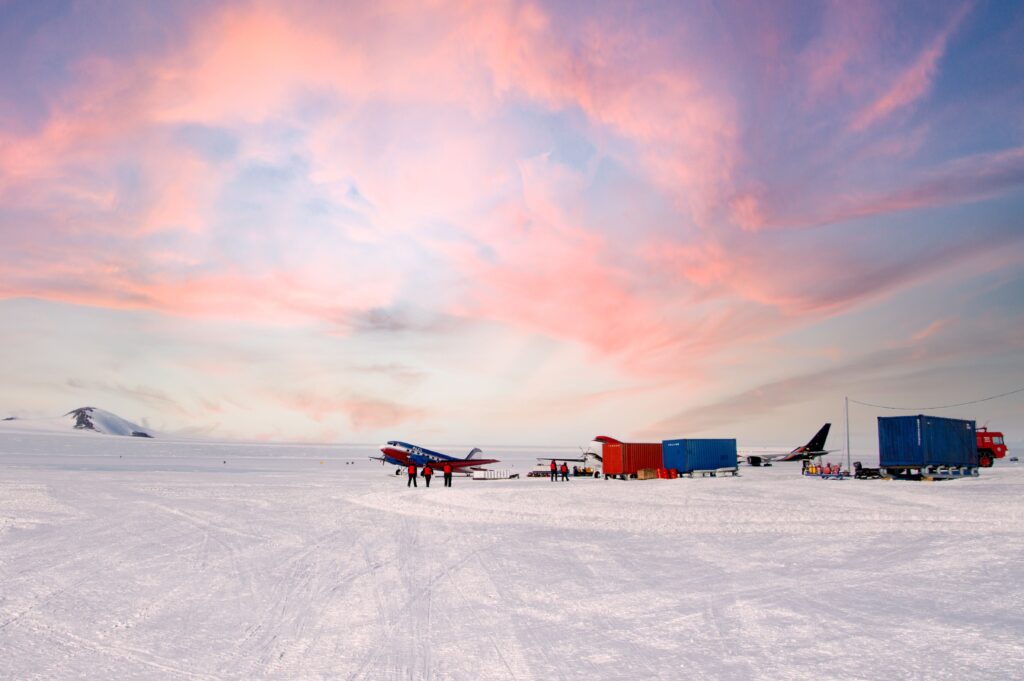
In an era where global connectivity has reached unprecedented levels, there still exist corners of the world that remain largely untouched by commercial aviation. These destinations remote, exclusive, and often logistically complex are increasingly drawing attention from travelers seeking privacy, adventure, and unique experiences. For many of these locations, commercial airline access is either limited or entirely nonexistent, making private aviation not just a luxury, but a necessity.
The rise of private jet travel has significantly transformed how elite and niche travelers reach these hidden gems. With the ability to land on shorter runways, bypass congested hubs, and customize itineraries, private jets provide unparalleled access to regions that would otherwise require days of travel via multiple connections. Consequently, destinations once considered inaccessible are now within reach albeit for a select group of travelers.
Moreover, recent developments in private aviation technology, digital booking platforms, and AI-driven travel tools are expanding access even further. As the industry evolves, these Destinations Only Accessible by Private Jet are becoming more visible on the global travel map, blending exclusivity with convenience in a rapidly changing travel landscape.
Why Some Destinations Require Private Jet Access?
Certain destinations remain outside the reach of commercial airlines due to a combination of geographical, infrastructural, and economic factors. Remote terrain such as mountainous regions, isolated islands, or polar environments—often lacks the infrastructure required for large commercial aircraft.
Additionally, many of these locations feature:
- Short or specialized runways unsuitable for commercial jets
- Low passenger demand, making regular airline routes unviable
- Strict environmental regulations limiting large-scale tourism
- Seasonal accessibility, especially in extreme climates
Private jets, however, are designed to overcome these limitations. Their ability to operate on shorter runways and adapt to flexible schedules makes them ideal for reaching such areas. Furthermore, private aviation eliminates the need for multiple layovers, reducing travel time dramatically.
Therefore, for travelers aiming to explore these hidden destinations, private jets are often the only practical option.
Iconic Destinations Only Accessible by Private Jet
Alpine Altiports: Courchevel and Beyond
High in the French Alps, Courchevel is one of the most famous alpine destinations requiring private aviation access. Its altiport features a steep, short runway that challenges even experienced pilots. Commercial flights cannot operate here due to these constraints.
Beyond Courchevel, similar alpine destinations offer:
- World-class skiing with minimal crowds
- Exclusive chalets and luxury resorts
- Direct slope access from private landings
Moreover, these locations are often surrounded by breathtaking mountain landscapes, making the journey itself part of the experience.
Atlas Mountains Airstrips, Morocco
Hidden within the rugged terrain of Morocco’s Atlas Mountains are small airstrips that cater primarily to private jets. These locations provide access to remote villages, luxury desert camps, and eco-lodges.
Travelers are drawn here for:
- Cultural immersion in Berber communities
- Scenic trekking routes
- Secluded luxury experiences
However, the lack of commercial infrastructure means private aviation is the most efficient way to الوصول these areas.
Lamu Archipelago, Kenya
The Lamu Archipelago is a UNESCO-listed region known for its preserved Swahili culture and car-free environment. While small regional flights exist, access is often inconsistent and limited.
Private jets enable:
- Direct routing to nearby airstrips
- Flexible scheduling around tides and weather
- Seamless transfers to island resorts
Consequently, Lamu remains a prime example of a destination best accessed privately.
Destination vs Access Challenge
| Destination | Access Challenge |
|---|---|
| Courchevel, France | Short, steep alpine runway |
| Atlas Mountains, Morocco | Remote terrain, limited infrastructure |
| Lamu Archipelago, Kenya | Inconsistent regional flights, island logistics |
| Patagonia (Chile/Argentina) | Vast distances, limited airports |
| Greenland Ice Runways | Seasonal ice landing strips |
| Scottish Highlands | Sparse commercial routes, small airfields |
Patagonia: The Edge of the World
Patagonia, spanning southern Chile and Argentina, is one of the most remote and awe-inspiring regions on Earth. Its vast landscapes—glaciers, mountains, and windswept plains—are difficult to access via commercial routes.
Private jets provide:
- Direct access to small regional airports
- Reduced travel time from major cities
- Flexibility for multi-destination itineraries
Moreover, Patagonia appeals to adventure travelers seeking hiking, wildlife exploration, and untouched natural beauty. Without private aviation, reaching these areas often involves multiple connections and long overland journeys.
Greenland’s Ice Runways
Greenland represents one of the most extreme examples of destinations only accessible by private jet. Many landing strips are made of compacted ice and are operational only during specific seasons.
Challenges include:
- Harsh weather conditions
- Limited navigation infrastructure
- Highly specialized pilot requirements
However, the rewards are equally extraordinary:
- Arctic landscapes and glaciers
- Northern Lights viewing
- Unique scientific and expedition experiences
Therefore, private jets remain the only viable option for accessing many parts of Greenland.
The Scottish Highlands and Remote UK Airfields
While the UK is well-connected, the Scottish Highlands feature numerous small airfields that are not served by commercial airlines. These airstrips provide access to remote estates, luxury lodges, and historic landscapes.
Private aviation offers:
- Direct entry into isolated regions
- Avoidance of long road journeys
- Access to exclusive properties and events
Moreover, the Highlands’ appeal lies in their tranquility and natural beauty, which are preserved due to limited accessibility.
Travel Flexibility and Time Savings
One of the most compelling advantages of private jet travel is the significant reduction in travel time. Commercial routes often require multiple connections, long layovers, and rigid schedules.
Private jets, however, allow:
- Departure on demand
- Direct routing to smaller airports
- Faster boarding and security processes
Consequently, can reach remote destinations in hours rather than days. This flexibility is particularly valuable for business travelers, high-net-worth individuals, and adventure seekers with limited time.
Emerging Trends in Private Aviation Access
Recent years have seen a surge in innovation within the private aviation sector. New digital platforms and AI-powered tools are transforming how travelers book and manage private flights.
Key trends include:
- On-demand charter apps simplifying booking
- Dynamic pricing models making private jets more accessible
- Empty leg flights offering discounted travel options
- AI route optimization improving efficiency and sustainability
Moreover, these technologies are expanding access beyond ultra-wealthy travelers, attracting corporate groups, influencers, and niche турист markets.
Destination Highlights
| Destination | Unique Highlights |
|---|---|
| Courchevel | Luxury ski resorts, alpine scenery |
| Atlas Mountains | Cultural immersion, desert landscapes |
| Lamu Archipelago | Swahili heritage, island seclusion |
| Patagonia | Glaciers, trekking, wildlife |
| Greenland | Arctic exploration, Northern Lights |
| Scottish Highlands | Historic estates, rugged natural beauty |
Costs, Logistics, and Environmental Considerations
Despite its advantages, private jet travel comes with significant costs and logistical complexities. Chartering a private jet can range from thousands to tens of thousands of dollars per flight, depending on distance, aircraft type, and additional services.
Key considerations include:
- Operational costs (fuel, crew, maintenance)
- Landing fees at specialized airstrips
- Weather dependencies in remote regions
However, environmental concerns are also gaining attention. Private jets have a higher carbon footprint per passenger compared to commercial flights.
To address this, the industry is exploring:
- Sustainable aviation fuels (SAF)
- Carbon offset programs
- More efficient aircraft designs
Therefore, while private aviation enables access to remote destinations, it also raises important sustainability questions.
Expanding Accessibility Beyond the Elite
Historically, private jet travel was reserved for the ultra-wealthy. However, changing market dynamics are making it more accessible.
Factors driving this shift include:
- Shared charter services
- Membership-based flight programs
- Increased competition among operators
Consequently, a broader range of travelers including corporate clients and adventure tourists—are now exploring destinations once considered out of reach.
Conclusion
The allure of Destinations Only Accessible by Private Jet lies in their exclusivity, natural beauty, and sense of discovery. From alpine altiports to Arctic ice runways, these locations offer experiences that are both rare and unforgettable.
Moreover, advancements in technology and evolving market trends are gradually democratizing access to these hidden gems. While challenges such as cost and environmental impact remain, the future of private aviation suggests a more connected and adventurous world.
FAQs
Why are some destinations only accessible by private jet?
Many destinations lack the infrastructure for commercial flights, such as long runways or sufficient passenger demand, making private jets the only viable option.
Can regular travelers charter flights to these hidden locations?
Yes, travelers can charter private jets through various platforms, although costs may vary significantly depending on the destination and aircraft.
What are the costs compared to commercial flights?
Private jet travel is considerably more expensive, often costing thousands of dollars per hour, whereas commercial flights are far more economical.
Are there environmental alternatives or offsets?
Yes, options include carbon offset programs and the use of sustainable aviation fuels, which help reduce environmental impact.
What are some tips for booking remote private jet travel?
- Plan in advance for weather and logistics
- Use reputable charter platforms
- Consider empty leg flights for cost savings
- Verify runway compatibility at destination