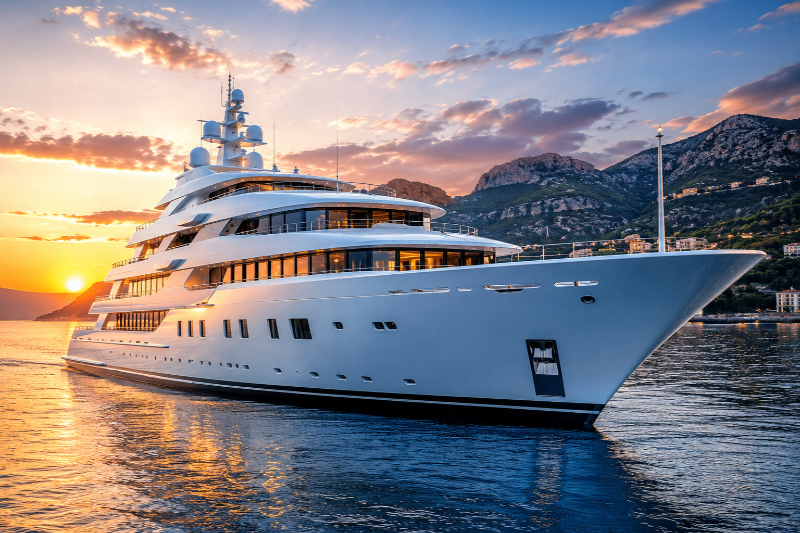
The global superyacht market witnessed a remarkable turnaround in 2025, with Yacht Brokerage Sales 2025 reaching an impressive €7.5 billion. After a relatively subdued 2024, the industry rebounded with renewed confidence, driven by increased buyer activity, price corrections, and a surge in high-value transactions. This recovery signals a broader shift in luxury asset investment trends, where tangible assets like yachts are regaining strong appeal among ultra-high-net-worth individuals (UHNWIs).
Moreover, the brokerage segment emerged as a dominant force within the industry, outperforming expectations and playing a crucial role in facilitating transactions. As sellers adjusted pricing strategies and buyers capitalized on market opportunities, deal volumes and values both saw substantial increases. This combination of realistic pricing and pent-up demand proved instrumental in driving market momentum.
Consequently, 2025 is now being viewed as a pivotal year for the yachting sector—one that not only reversed prior slowdowns but also set a new baseline for growth. The data indicates that the industry is entering a more stable and mature phase, characterized by strategic buying behavior, evolving demographics, and a stronger global footprint.
Yacht Brokerage Sales 2025: A Strong Market Rebound
The headline figure of €7.5 billion in yacht brokerage sales underscores the scale of recovery witnessed in 2025. Compared to 2024, where total sales hovered around €4 billion, this represents nearly a doubling in market value. This sharp increase highlights both higher transaction volumes and a notable rise in average yacht prices.
Furthermore, the number of completed deals grew significantly, indicating that the recovery was not limited to a handful of high-value transactions. Instead, the market experienced broad-based growth across multiple yacht segments, particularly in vessels over 80 feet. This suggests renewed confidence among buyers and a more active marketplace overall.
However, this rebound did not occur in isolation. It was largely driven by a correction in pricing during the previous year, which made yachts more accessible to buyers who had previously remained on the sidelines. As a result, 2025 became a year where both buyers and sellers found common ground, leading to increased liquidity in the market.
Growth Trends: Comparing 2023–2025 Performance
To fully understand the significance of Yacht Brokerage Sales 2025, it is essential to examine recent historical trends. The past three years reveal a clear trajectory of decline followed by recovery.
Yacht Brokerage Sales Comparison (2023–2025)
| Year | Total Sales Value | Estimated Units Sold | Market Trend |
|---|---|---|---|
| 2023 | €6.8B | ~450 yachts | Strong post-pandemic demand |
| 2024 | €4.0B | ~390 yachts | Market correction phase |
| 2025 | €7.5B | ~470+ yachts | Strong rebound and growth |
The table illustrates a classic market cycle. After the post-pandemic boom in 2023, the market experienced a cooldown in 2024 due to economic uncertainty and inflated pricing. However, 2025 reversed this trend, delivering both higher sales value and increased transaction volume.
Therefore, the current growth is not merely a spike but rather a recalibration of the market, supported by healthier fundamentals and more sustainable pricing structures.
Pre-Owned vs New Build: Shifting Market Dynamics
One of the defining aspects of Yacht Brokerage Sales 2025 is the dominance of the pre-owned segment. Brokerage yachts accounted for the majority of transactions, significantly outperforming new builds in both volume and accessibility.
Pre-owned yachts offered several advantages:
- Immediate availability
- Lower price points compared to new builds
- Reduced waiting times
- Greater room for negotiation
Moreover, many buyers preferred lightly used yachts that offered modern features without the extended delivery timelines associated with new construction. This trend was particularly evident among first-time buyers entering the superyacht market.
However, new builds still maintained a strong presence in terms of total value, especially in the ultra-luxury segment. Customization, cutting-edge technology, and sustainability features continued to attract high-end buyers willing to invest in bespoke vessels.
Rising Yacht Size and Average Transaction Value
Another critical trend in Yacht Brokerage Sales 2025 is the increase in both average yacht size and transaction value. Buyers are not only entering the market—they are upgrading.
Larger yachts, particularly those exceeding 50 meters, saw heightened demand. These vessels offer enhanced luxury, greater range, and improved onboard amenities, making them highly attractive to UHNWIs seeking exclusive experiences.
Consequently, the average deal value rose significantly, reflecting a shift toward premium assets. This trend indicates that the market is being driven by quality rather than quantity, with buyers prioritizing long-term value and lifestyle benefits.
Key Markets Driving Global Yacht Sales
The growth in Yacht Brokerage Sales 2025 was not confined to a single region. Instead, it was fueled by strong activity across several key global markets:
- Europe: Continued to lead in brokerage activity, supported by established infrastructure and Mediterranean demand
- United States: Remained a major buyer hub, with strong domestic and international transactions
- Middle East: Emerged as a fast-growing market, driven by increasing wealth and luxury investments
Moreover, cross-border transactions became more common, reflecting the global nature of the yachting industry. Buyers are increasingly willing to source yachts internationally, leveraging brokerage networks to access the best opportunities.
Role of Brokerage Firms in Market Expansion
Brokerage firms played a central role in the success of Yacht Brokerage Sales 2025. Their ability to connect buyers and sellers, provide market intelligence, and negotiate deals was instrumental in driving transaction volume.
Key contributions from brokerage firms include:
- Accurate pricing strategies
- Global marketing exposure
- Access to exclusive listings
- Streamlined transaction processes
Furthermore, digital transformation within the brokerage sector has enhanced transparency and efficiency. Online platforms, virtual tours, and data-driven insights have made it easier for buyers to make informed decisions.
Therefore, brokerage firms are not just intermediaries—they are strategic enablers of market growth.
Buyer Trends: UHNWIs and a Younger Demographic
The buyer profile in Yacht Brokerage Sales 2025 is evolving. While UHNWIs continue to dominate the market, there is a noticeable influx of younger buyers.
This new generation of yacht owners is characterized by:
- Preference for experiential luxury
- Interest in sustainability and innovation
- Greater reliance on digital research
Moreover, younger buyers are more likely to enter the market through brokerage purchases rather than new builds, as they seek flexibility and faster ownership.
Consequently, the industry is adapting its marketing and sales strategies to cater to these changing demographics.
Charter Demand and Its Impact on Sales
Charter activity has had a significant influence on Yacht Brokerage Sales 2025. Increased demand for yacht charters has introduced new clients to the lifestyle, many of whom eventually transition into ownership.
Key impacts of charter demand include:
- Increased visibility of yachts
- Enhanced buyer confidence through firsthand experience
- Additional revenue streams for owners
Moreover, charter performance often serves as a benchmark for evaluating a yacht’s investment potential. Buyers are increasingly considering charter income as part of their purchasing decision.
Therefore, the relationship between charter and brokerage markets is becoming more interconnected and mutually reinforcing.
Supply Constraints and Inventory Trends
Despite the surge in demand, Yacht Brokerage Sales 2025 also faced supply-side challenges. Inventory levels fluctuated throughout the year, with periods of limited availability in certain yacht categories.
However, as more owners entered the market with realistic pricing, inventory gradually improved. This increase in supply helped sustain transaction momentum and prevent overheating.
Nevertheless, high-quality, well-maintained yachts remained in short supply, particularly in the larger size segments. This scarcity contributed to competitive bidding and higher final sale prices.
Pre-Owned vs New Build Market Breakdown
Market Share Comparison
| Segment | Volume Share | Value Share | Buyer Preference |
|---|---|---|---|
| Pre-Owned | ~70% | ~60% | High demand, quick transactions |
| New Build | ~30% | ~40% | Customization, luxury segment |
The table highlights the clear dominance of the pre-owned market in terms of volume, while new builds continue to command significant value due to their premium nature.
Outlook for 2026: Stabilization or Continued Growth?
Looking ahead, the outlook for Yacht Brokerage Sales 2025 transitioning into 2026 appears cautiously optimistic. Market fundamentals remain strong, supported by sustained demand and improving economic conditions.
However, several factors will influence future performance:
- Global economic stability
- Interest rate trends
- Geopolitical developments
- Continued availability of inventory
Moreover, the industry is expected to move toward a more balanced state, where supply and demand are better aligned. This could lead to steadier growth rather than sharp fluctuations.
Therefore, while the explosive growth of 2025 may not be fully replicated, the market is well-positioned for continued expansion.
FAQs
What drove the surge in Yacht Brokerage Sales 2025?
The primary drivers were price corrections, increased buyer confidence, and higher demand for pre-owned yachts.
How much did yacht brokerage sales reach in 2025?
Total sales reached approximately €7.5 billion, marking a significant increase from 2024.
Which segment dominated the market?
Pre-owned yachts dominated in terms of volume, accounting for around 70% of transactions.
Are younger buyers entering the yacht market?
Yes, there is a growing presence of younger buyers, particularly in the brokerage segment.
What is the outlook for 2026?
The market is expected to stabilize with steady growth, supported by strong fundamentals and global demand.