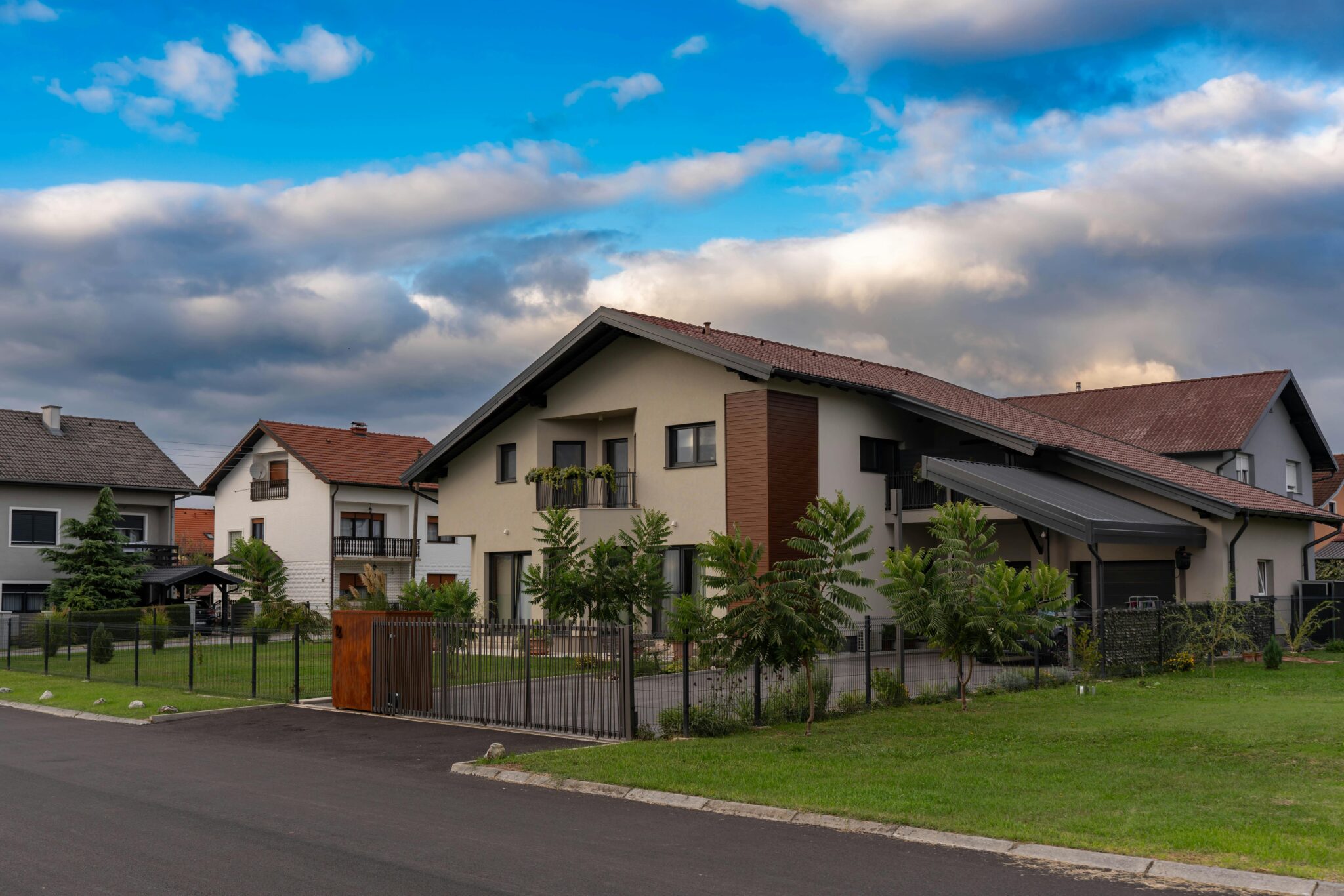
Suburban living has evolved far beyond the traditional appeal of larger homes and quieter streets. Today’s buyers are more intentional in their decisions. They seek environments that support daily routines, long-term goals, and overall well-being. This shift is especially noticeable in fast-growing areas like Iowa Colony, TX, where buyers can enjoy more space while still having access to employment centers, shopping districts, dining options, and essential services.
Rather than simply moving away from cities, homebuyers are prioritizing communities that offer structure, convenience, and lifestyle benefits. They are looking for neighborhoods that feel complete, not just residential. Access to green spaces, nearby retail, and reliable infrastructure all play a role. This has increased demand for thoughtfully designed developments that combine privacy with a strong sense of community.
Master-Planned Communities: The New Standard for Balanced Living
The challenge for many buyers is finding a place that offers both calm surroundings and easy access to city life. Long commutes and disconnected neighborhoods no longer appeal to modern households. People want a setting that supports both productivity and relaxation.
Developing master-planned communities in growing suburban areas, such as Creekhaven in Iowa Colony, TX, demonstrates how this balance can be achieved. Buyers are drawn to communities that provide organized layouts, integrated amenities, and proximity to major highways. These features reduce daily friction while supporting long-term property value.
Master-planned communities also create a sense of consistency that buyers trust. From landscaping standards to infrastructure planning, everything is designed with longevity in mind. This helps maintain property values and ensures the neighborhood evolves predictably. For buyers thinking beyond the purchase, this kind of stability matters.
The Rise of the “Surban” Lifestyle
The line between urban and suburban living is becoming less defined. Buyers no longer want to choose between access and comfort. Instead, they are looking for communities that bring urban-style conveniences closer to home while maintaining the space and calm of suburban areas.
This shift has led to the rise of what is often called the “Surban” lifestyle. It is a blend of suburban comfort and urban convenience. In these areas, residents can find dining, shopping, and entertainment options nearby, reducing the need for frequent trips into the city. This is especially appealing for professionals and families who value both time and accessibility.
From a market perspective, these hybrid locations tend to perform well. Demand remains strong because they appeal to a wide range of buyers. As more people prioritize flexibility in how and where they live, communities that offer this balance are likely to see continued growth.
Sustainable Design and Energy-Efficient Living
Sustainability has moved from a niche preference to a core expectation among homebuyers. Many people now consider energy efficiency just as important as layout or location. They are paying closer attention to how homes are built and how much they cost to operate over time.
Modern suburban developments are responding by incorporating features such as energy-efficient appliances, improved insulation, and smart home systems. These elements help reduce utility costs while also supporting environmentally responsible living. Buyers see this as both a financial and ethical benefit.
There is also a growing awareness of long-term value. Homes with sustainable features often perform better in resale markets, appealing to future buyers who share similar priorities.
In addition, local regulations and building standards are evolving to support greener construction. This makes it easier for buyers to compare options and make informed decisions when evaluating different communities.
Work-From-Home Functionality and Digital Infrastructure
Remote and hybrid work have permanently changed what buyers expect from a home. A spare bedroom is no longer enough. People want dedicated workspaces that allow focus, comfort, and separation from daily household activities. This has increased demand for homes with flexible layouts that can support multiple uses.
Reliable high-speed internet is just as important as physical space. Buyers now evaluate neighborhoods based on connectivity and infrastructure. A home that supports productivity can directly impact income and career growth, making this feature a top priority.
Homes that accommodate work needs also tend to hold their value better. As remote work remains common, properties with built-in office potential attract a broader pool of buyers, adding both practical and long-term financial appeal.
Community-Centric Planning: Parks, Trails, and Social Connectivity
Modern buyers want more than a private home. They are looking for a sense of connection within their neighborhood. This has increased demand for communities with shared spaces, such as parks, walking trails, and gathering areas.
These features support both physical activity and social interaction. Families, professionals, and retirees all benefit from having accessible outdoor spaces that encourage regular use. This contributes to a stronger sense of belonging within the community.
From a real estate perspective, proximity to these amenities often increases desirability. Homes located near well-maintained green spaces tend to attract more interest and can command higher value over time.
Wellness-Oriented Design and Natural Living
Health and well-being are becoming central to how homes are designed and evaluated. Buyers are paying closer attention to features that support comfort and daily wellness. Natural light, ventilation, and open layouts are now considered essential rather than optional.
Larger windows, improved air quality, and access to outdoor views contribute to a more comfortable living environment. These features can help reduce stress and improve overall quality of life.
Homes designed with wellness in mind also stand out in the market. Buyers recognize the long-term benefits and are often willing to invest more in properties that support healthier living.
Multi-Generational Living and Flexible Floor Plans
Changing family dynamics are influencing how homes are designed. More buyers are seeking properties that can accommodate multiple generations under one roof, including aging parents and extended family members.
Flexible floor plans make this possible without sacrificing privacy. Features such as separate living areas, guest suites, and additional bathrooms allow households to function comfortably while sharing the same home.
These homes also offer long-term value. As needs change, the space can adapt without requiring a move, providing stability and reducing future costs.
From an investment standpoint, flexibility increases market appeal. A home that can serve different purposes over time attracts a wider range of buyers, strengthening its resale potential.