Things to Do in Kamakura (2026 Guide)
Just an hour south of Tokyo lies Kamakura, a coastal city where ancient temples, sacred shrines, and scenic ocean views combine to create one of Japan’s most rewarding travel destinations.
Often described as “Kyoto near Tokyo,” Kamakura was once the political center of Japan during the Kamakura Shogunate (1185–1333). Today, it attracts travelers seeking a perfect blend of history, culture, nature, and seaside charm.
While many visitors only spend a few hours here on a day trip, the city offers far more than a quick stop. From centuries-old Zen temples to bamboo groves and hidden hiking trails, Kamakura rewards travelers who take the time to explore beyond the obvious highlights.
2026 Update:
As of 2026, Kamakura continues to grow in popularity among international travelers visiting Japan. Improved train connections from Tokyo and a rising interest in cultural tourism have made the city one of the top day-trip destinations in the Kanto region.
Visitors increasingly seek experiences that combine historic temples, scenic nature walks, and local cuisine, making Kamakura an ideal destination for travelers looking to explore traditional Japan outside of major cities.
In this guide, we’ll explore the best things to do in Kamakura, including must-see landmarks, cultural experiences, hidden gems, and practical travel tips.
Also read: Japan eSIM Complete Guide for Travelers in 2026
Why Visit Kamakura?
Kamakura offers a rare combination of history, spirituality, and natural beauty.
Unlike many modern Japanese cities, Kamakura retains the atmosphere of a traditional town surrounded by forested hills and coastal landscapes.
Travelers come here for several reasons:
-
historic temples and shrines
-
traditional Japanese culture
-
scenic hiking trails
-
beautiful ocean views
-
peaceful Zen gardens
Because of its manageable size and excellent transportation access, Kamakura remains one of the easiest cultural destinations to explore from Tokyo.
Best Things to Do in Kamakura
1. See the Great Buddha of Kamakura (Kotoku-in)
One of the most famous landmarks in Japan is the Great Buddha of Kamakura, located at Kotoku-in Temple.
This massive bronze statue stands over 13 meters tall and dates back to the 13th century.
Originally housed inside a temple hall, the statue has stood outdoors since a tsunami destroyed the structure centuries ago.

Visitors can even step inside the hollow statue, making it one of the most unique historical attractions in Japan.
2. Visit Tsurugaoka Hachimangu Shrine
No visit to Kamakura is complete without exploring Tsurugaoka Hachimangu, the city’s most important Shinto shrine.
Founded in the 11th century, the shrine is dedicated to Hachiman, the god of war and protector of samurai.
Highlights include:
-
the grand stairway leading to the main hall
-
seasonal festivals and ceremonies
-
beautiful gardens and ponds

The shrine sits at the end of a long approach road lined with cherry trees, making it particularly stunning during spring.
3. Walk Through the Bamboo Forest at Hokoku-ji
While Kyoto’s bamboo forest often attracts the spotlight, Kamakura’s Hokoku-ji Temple offers a quieter alternative.
Known as the “Bamboo Temple,” Hokoku-ji features a peaceful grove of over 2,000 bamboo stalks.
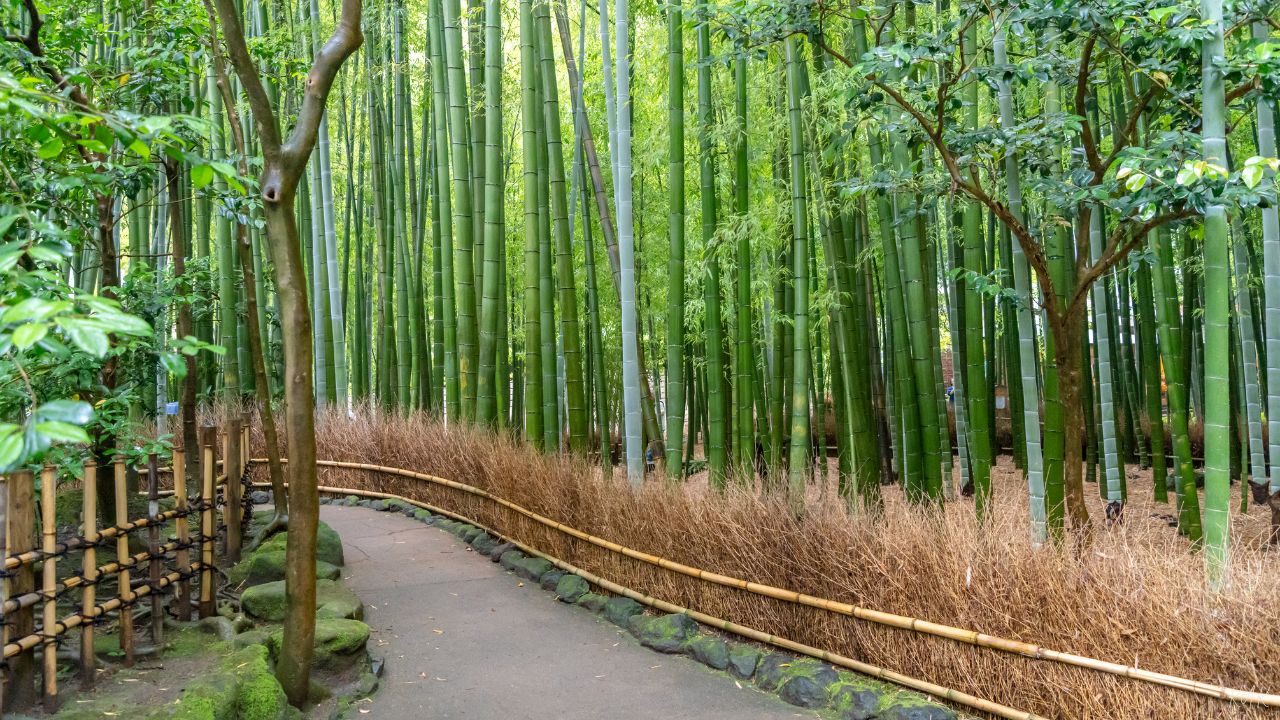
Visitors can also enjoy traditional matcha tea in a small teahouse overlooking the grove, making it one of the most relaxing experiences in Kamakura.
4. Explore Hase-dera Temple
Perched on a hillside overlooking the sea, Hase-dera Temple offers one of the most beautiful viewpoints in Kamakura.
The temple is famous for:
-
a 9-meter wooden statue of Kannon, the goddess of mercy
-
scenic terraces and gardens
-
hundreds of small Jizo statues representing lost children

From the temple’s upper terrace, visitors can enjoy panoramic views of Yuigahama Beach and Sagami Bay.
5. Shop and Eat on Komachi Street
For a lively contrast to Kamakura’s temples, head to Komachi Street, the city’s main shopping district.
This narrow pedestrian street is packed with:
-
traditional sweets shops
-
local seafood restaurants
-
souvenir stores
-
matcha cafés
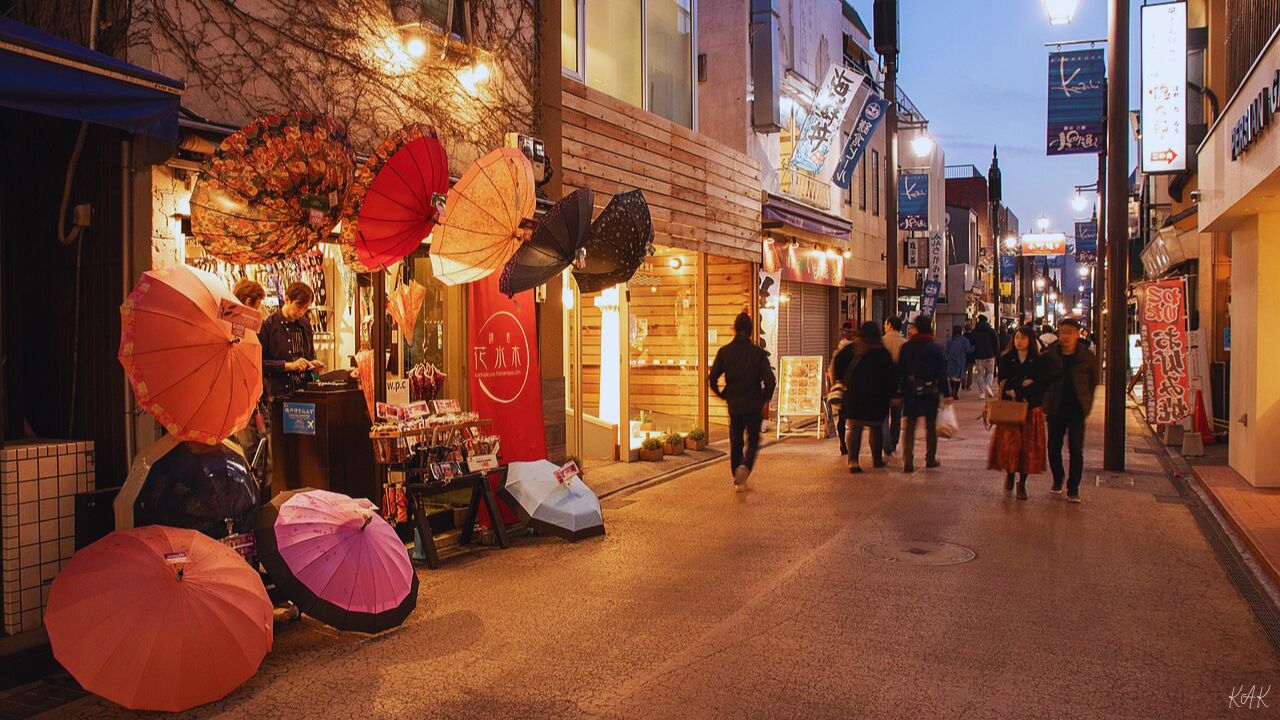
It’s the perfect place to try regional specialties like matcha desserts, rice crackers, and fresh seafood snacks.
6. Visit Engaku-ji Temple in Kita-Kamakura
Located just one train stop north of Kamakura Station, Engaku-ji is one of Japan’s most important Zen temples.
Founded in 1282, the temple complex sits among forested hills and features:
-
historic wooden halls
-
tranquil gardens
-
a massive temple bell designated as a National Treasure

This area is much quieter than central Kamakura, making it ideal for travelers seeking a more peaceful atmosphere.
7. Hike the Kamakura Temple Trails
Few visitors realize that Kamakura offers excellent hiking trails connecting many of its temples.
Popular routes include:
-
the Daibutsu Hiking Trail
-
the Tenen Hiking Course
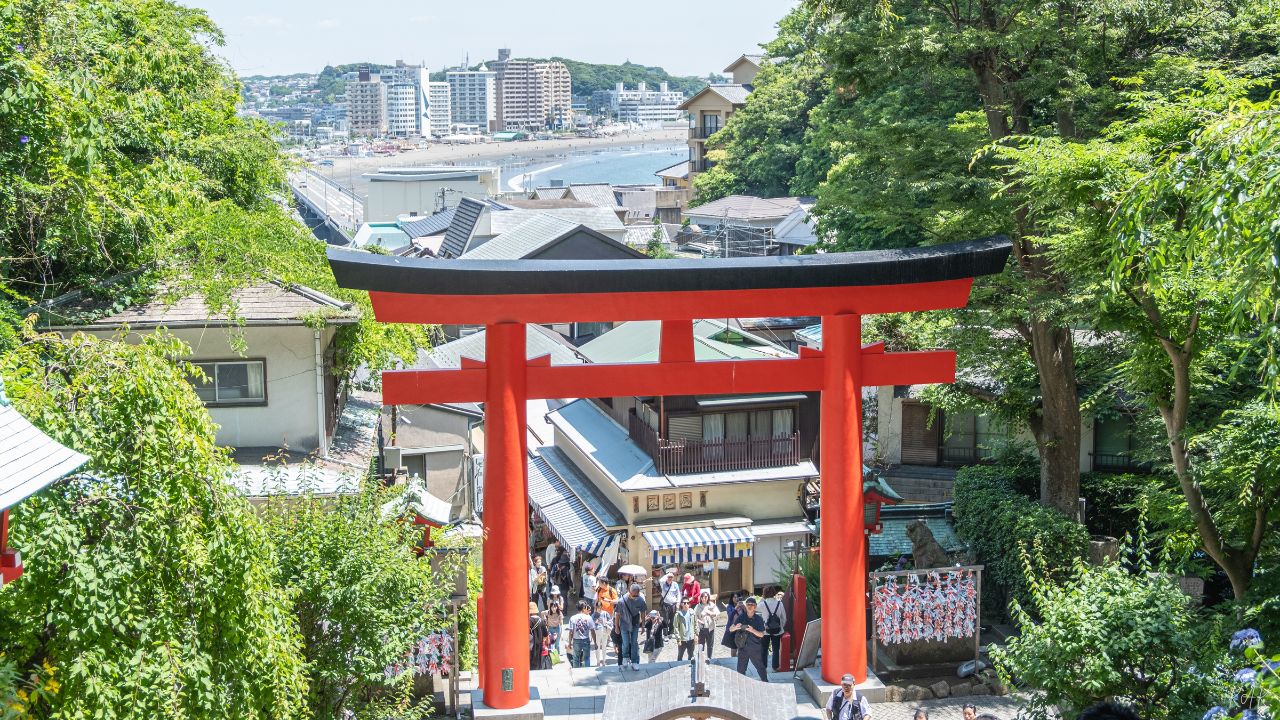
These trails pass through forested hills and lead to hidden temples, viewpoints, and quiet shrines.
For adventurous travelers, hiking is one of the most rewarding things to do in Kamakura.
8. Relax at Yuigahama Beach
Kamakura is also known for its beautiful coastline.
During summer months, Yuigahama Beach becomes one of the most popular seaside destinations near Tokyo.
Visitors can enjoy:
-
beach cafés and restaurants
-
sunset views over Sagami Bay
-
water sports and swimming

On clear days, you may even catch a glimpse of Mount Fuji across the water.
9. Take the Enoden Train to Enoshima
One of the most charming railways in Japan is the Enoden Line, which runs between Kamakura and the nearby island of Enoshima.
The small coastal train travels past beaches, neighborhoods, and scenic views.
Enoshima itself offers:
-
seaside temples
-
ocean caves
-
observation towers
-
incredible views of Mount Fuji

It’s an easy and rewarding extension to a Kamakura visit.
Wanna learn Japanese? read our guide: Top 7 Online Platforms to Learn Japanese with Native Tutors
Kamakura Travel Overview
| Category | Details |
|---|---|
| Location | Kanagawa Prefecture, Japan |
| Distance from Tokyo | About 1 hour by train |
| Famous For | Temples, shrines, Great Buddha |
| Best Time to Visit | Spring and autumn |
| Main Attractions | Kotoku-in, Hase-dera, Tsurugaoka Hachimangu |
| Nearby Destinations | Enoshima, Yokohama |
When to Visit Kamakura
Kamakura is beautiful year-round, but some seasons stand out.
Spring (March–April)
Cherry blossoms line many of Kamakura’s streets and temple grounds.
Summer (June–August)
Warm weather makes it ideal for visiting the beach.
Autumn (November)
Colorful foliage transforms the surrounding hills and temples.
Winter
Fewer crowds create a peaceful atmosphere for exploring historic sites.
Also read: Top Destinations in Japan for Nature Lovers and Outdoor Enthusiasts
Tips for Visiting Kamakura
Start Early
Kamakura can get busy, especially on weekends.
Wear Comfortable Shoes
The city is best explored on foot.
Combine Culture and Nature
Many temples are connected by hiking trails.
Consider Staying Overnight
Spending a night allows you to see Kamakura without day-trip crowds.
Final Thoughts on Things to Do in Kamakura
Kamakura is far more than just a quick excursion from Tokyo.
With its mix of ancient temples, peaceful bamboo forests, historic shrines, coastal scenery, and hidden hiking trails, the city offers one of the richest cultural experiences in Japan.
Whether you’re fascinated by samurai history, seeking spiritual tranquility, or simply hoping to explore a charming seaside town, Kamakura delivers unforgettable experiences.
For travelers exploring Japan’s cultural heritage, Kamakura remains one of the most rewarding destinations in the country.
Also read: Japan’s Real Estate Sector Thrives as Foreign Investments Soar 45%