In a world where modern footwear has become increasingly engineered for appearance and short-term comfort, few founders are asking a more fundamental question: How is the human body actually meant to move?
Aljaž Pazlar, founder of Zakistar, is one of the rare innovators who decided to challenge the entire foundation of the footwear industry. What began in 2015 as a simple barefoot walk along a river evolved into more than a decade of research, experimentation, and craftsmanship. Through natural materials and pebble-based soles, Zakistar flip-flops are designed to reactivate the feet, restore natural step motion, and reconnect the body with how it was originally built to function.
His work sits at the intersection of wellness, biomechanics, and conscious design. Trusted by physiotherapists, elite athletes, and luxury clients around the world, Aljaž is not building a fashion brand — he is building a physical philosophy: that true luxury is not softness, but strength, alignment, and long-term health.
In this conversation, Aljaž shares the origin of Zakistar, the hidden problems of modern footwear, and how natural movement can transform not only how we walk — but how we live.
THE BEGINNING & THE WHY
What do you do?
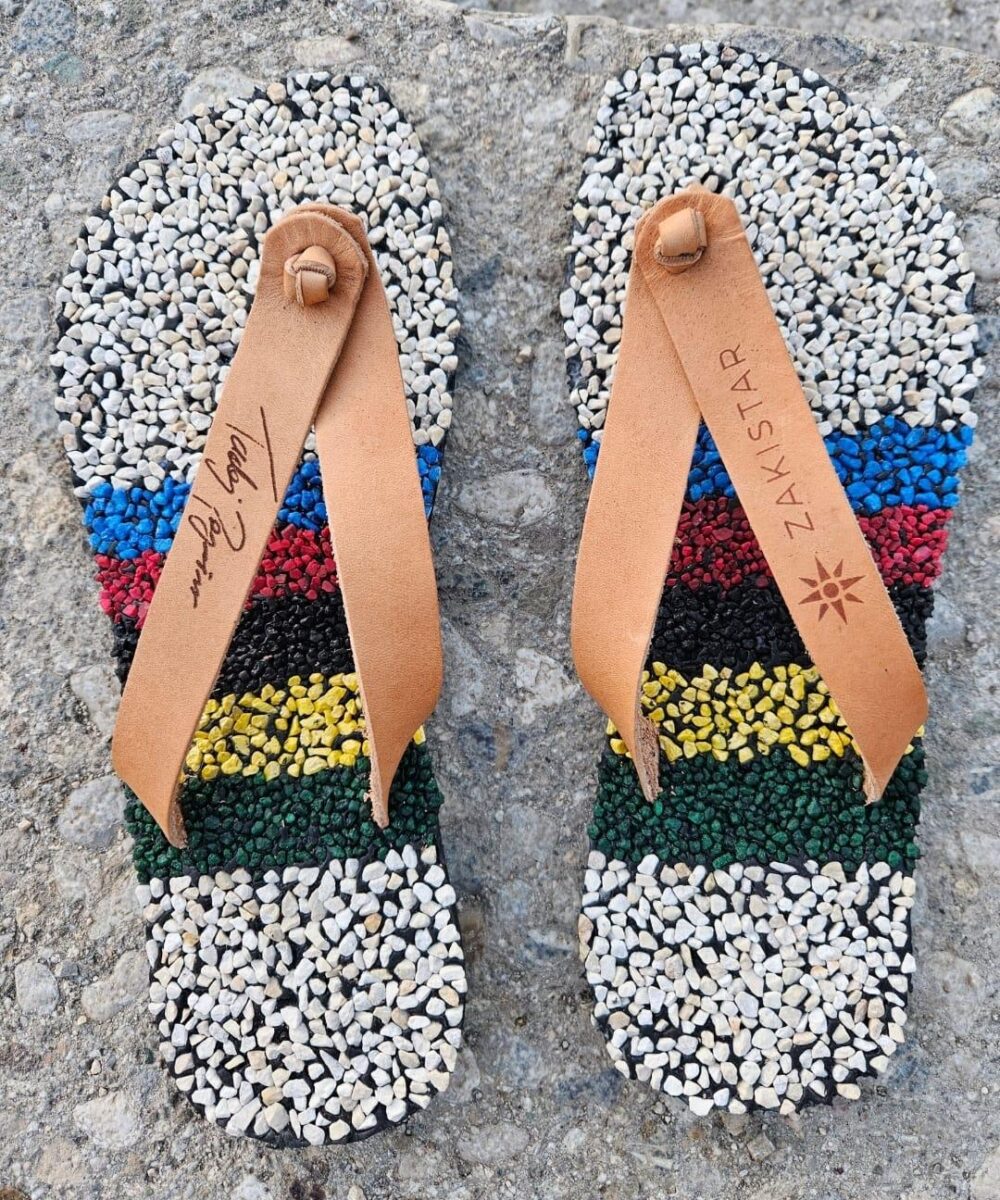
I create flip-flops with pebbles that bring the benefits of barefoot walking in a clean, safe, and stylish way. Over the last 10 years, I have made flip-flops for world champion cyclist Tadej Pogačar, Olympic silver medalists, fashion model Maja Malnar with over 1.5 million followers, Playboy Playmates, and custom designs for luxury hotels in Switzerland and Dubai. My flip-flops are popular among physiotherapists who understand how the body works and are open to new research, and among many people who want better footwear. In short, I improve footwear for people.
Can you take us back to the very beginning. What first led you to start experimenting with footwear and natural soles? I wanted to be an inventor, and in the summer of 2015 I was looking for ideas. When I was walking barefoot by the river with my dog, I started thinking about the feeling of pebbles on my feet. I knew it was healthy, but I never imagined it would start a footwear industry shift.
Before creating this product, what did you start noticing about the way most people walk, stand, or experience pain? Before creating the product and researching, I was like everyone else. There is too much information today, and you can’t be an expert in every field. When you buy a phone, you trust the company is an expert. I also trusted big names in the industry with 100 years of experience. Until I gained the knowledge that opened my eyes. If today’s footwear is so great, why do two million people get plantar fasciitis only in the USA? And why is the most common pain back pain?
RETHINKING MODERN FOOTWEAR
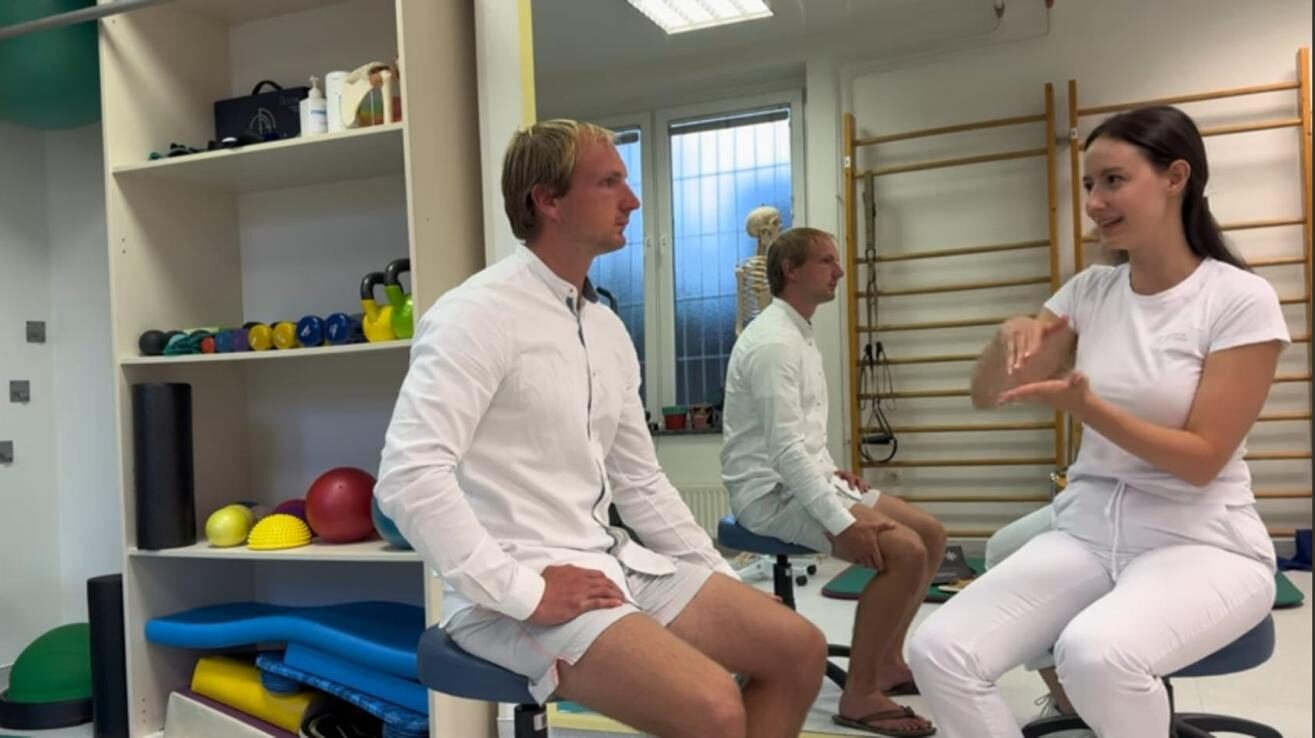
High platforms indicate footwear is made to work against our body. There was a big debate between me and some physiotherapists I work with, because they said we are designed to walk heel-first. My instinct told me we should walk on the front part of the foot. When I discovered Harvard professor Daniel Lieberman, I found confirmation. He researched tribes that never wore shoes. Eighty percent of the time they step on the front first. When running, always on the front. When you step on the heel, you put three times more pressure on your bones, which causes back pain. When you step on the front, you absorb pressure with the calves. High platforms force heel striking. Modern footwear forces us to walk against our natural design.
How does conventional footwear change the way our feet, posture, and gait function over time?
We were designed to walk barefoot. We don’t need arch support or cushioning. We have 25 muscles in our feet for a reason. With all the support, muscles don’t need to work. Weak feet are the number one cause of foot problems. The body was perfectly designed, and modern footwear puts it off balance, makes it weak, and causes pain.
When someone hears the phrase “natural step motion,” what does that actually mean in simple terms?
Most physiotherapists say we should step heel first, then front. But Daniel Lieberman’s research shows natural walking is front first, adapting the step to the surface.
HEALTH, STRUCTURE & THE BODY CONNECTION
Everything starts with the feet. They have a much bigger impact on the body than hands, but we focus on hands more. If you make 10,000 bad steps a day, imagine the damage. If muscles like the calves don’t absorb pressure at the beginning of the step, the pressure goes to the bones. Muscles can repair overnight. Knees and hips cannot.
In your work, what connections have you seen between improper footwear and common issues like back pain, joint strain, or fatigue?
It’s a direct connection. I believe you can’t get plantar fasciitis if you walk and run barefoot. The problem is small daily damage that the body compensates for until bigger problems appear later.
How do your flip-flops encourage a healthier walking pattern compared to traditional soles?
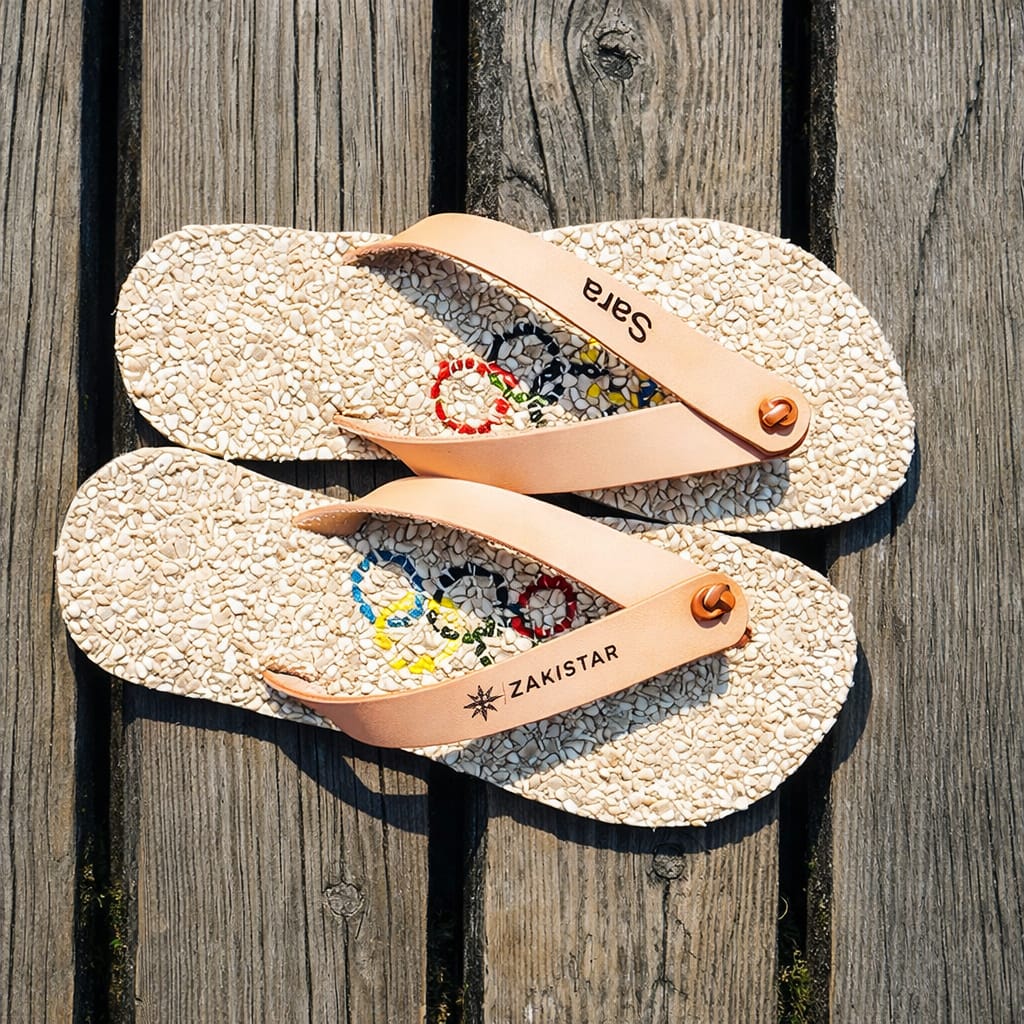
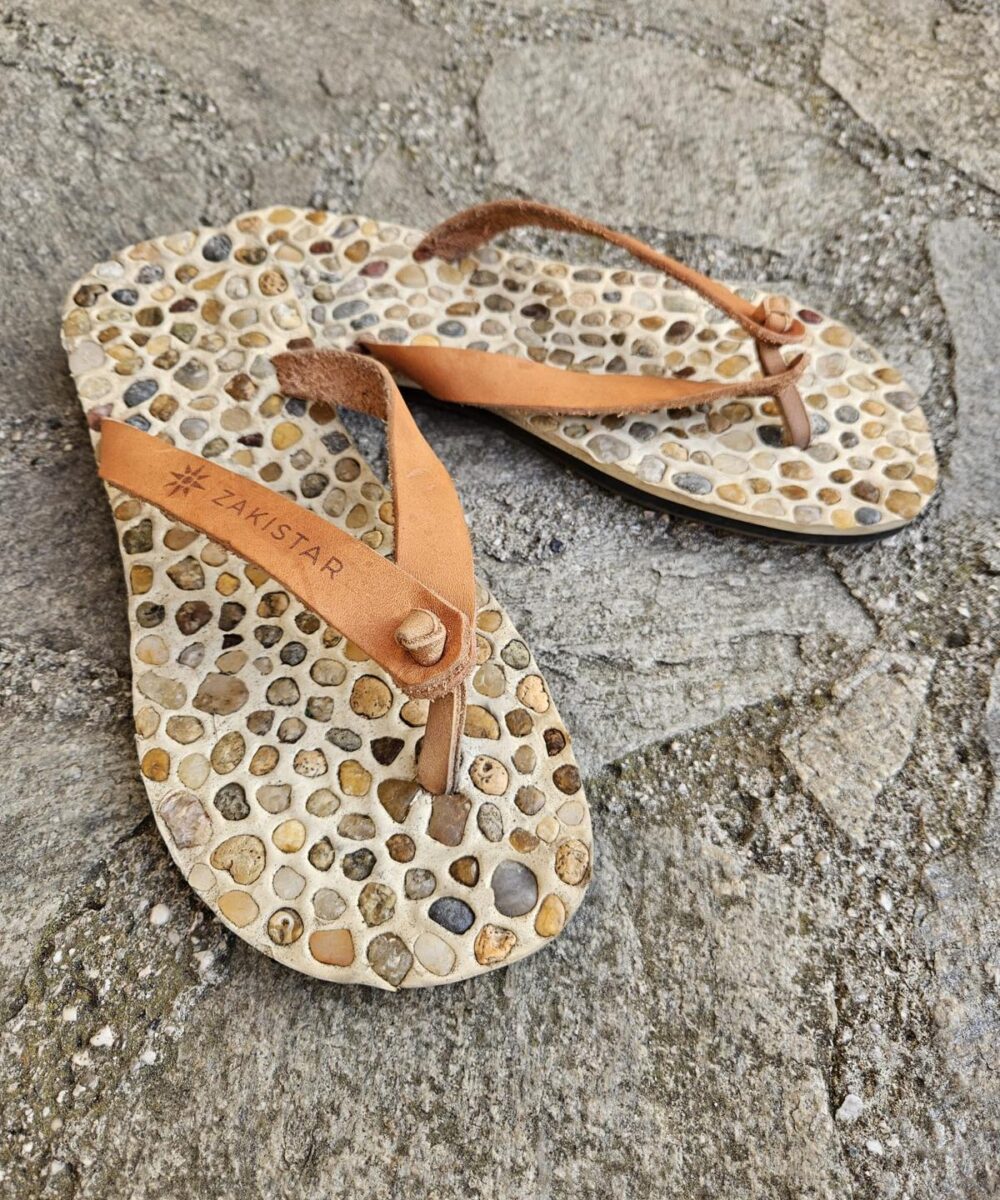
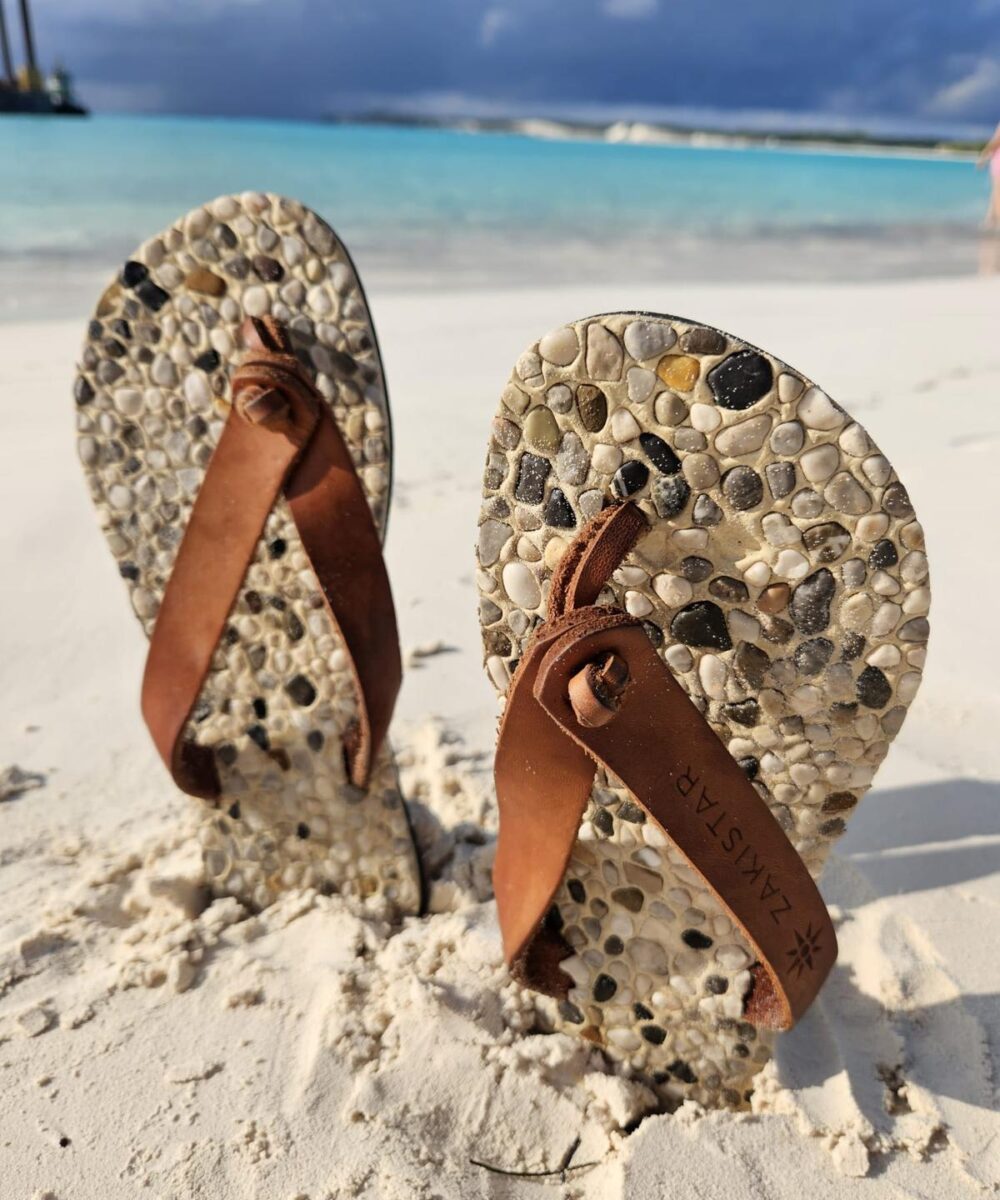
Zakistar flip-flops have natural pebbles on top, the closest simulation of barefoot walking without actually being barefoot. Pebbles activate muscles, which is the opposite of most footwear. Walking barefoot leaves dirty feet and possible cuts. With Zakistar, you get the benefits without that. The idea is not to go back to caves, but to bring our perfect body into modern life.
What changes do customers most often report after wearing them consistently?
People with plantar fasciitis report pain gone after three weeks. Similar timing for people with flat feet to regain a healthier shape. Many describe a special feeling, because for most people today it is rare to feel active feet. Some report better posture. I don’t want them seen as therapeutic — that should be normal. It’s like calling natural food “bio.”
MATERIALS, STONES & DESIGN PHILOSOPHY
I wanted to create the most natural flip-flops possible. My first idea was cork soles, pebbles, and leather straps, but cork was not durable enough, so I switched to natural rubber. Zakistar provides comfort through strength. I even walked 50 km in them. Comfort comes from having a strong body. Pebbles stimulate the muscles in your feet.
When designing a pair, what is more important to you first: function, health impact, or beauty?
Health impact. I even made flip-flops with arch support until I learned arch support is bad and removed it immediately. I am my first customer. Beauty matters for sales, but health comes first. Luckily, the design is pleasing, and many people buy them because they are sexy — with benefits as a bonus.
CRAFTSMANSHIP & DEVELOPMENT
My beginnings were humble. I cemented pebbles on cork and attached straps. They were heavy and ugly. There were durability problems. Now they are among the most durable flip-flops, lightweight, and beautiful. Every detail was refined over 10 years.
How much testing and refinement goes into creating a final version?
For some models it took years. It takes one season for feedback, then correction and testing again.
What part of the process today still feels the most meaningful to you personally?
Placing pebbles is art. It’s mosaic. Sometimes I create flowers, animals, or dates. Working with pebbles is about feeling their position. Too hard and glue comes out. Too soft and they fall out.
THE EXPERIENCE OF WEARING THEM
If someone puts on your flip-flops for the first time, what should they notice immediately?
The feeling. Like a massage. Reconnecting with the ground. Feet have many sensors. You reconnect with them.
Is there an adjustment period when returning the foot to a more natural way of walking? Yes, depending on the strength of your feet, but normally 3 days to adapt
PHILOSOPHY, LIFESTYLE & WELLNESS
Your work sits at the intersection of wellness, craftsmanship, and lifestyle. How do you personally define health? Health is having a useful body for as long as possible. Pressure creates strength.
In what ways do you believe modern life has disconnected people from natural movement?
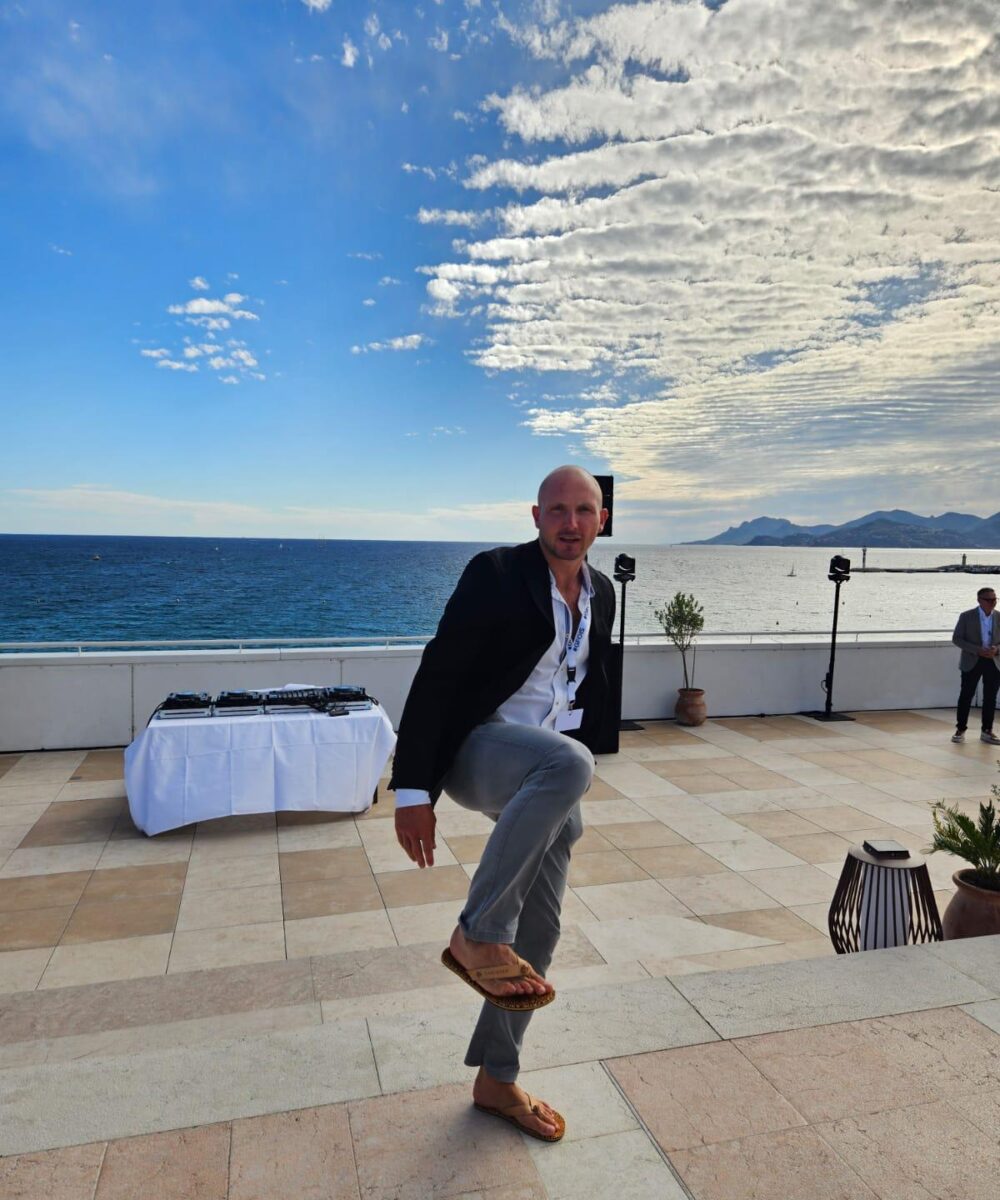
We trust companies instead of our bodies. Ten years ago I believed shoes were good. Now I wear only Zakistar. We lost connection with nature.
How does your brand aim to restore that connection? Education. Luxury should mean benefit, not price.
VISION & GROWTH
What is your long-term vision for this brand beyond flip-flops?
To inspire lifestyle change. Get stronger. Don’t seek comfort. Conscious consumerism.
Are there new designs, collections, or wellness applications you are currently exploring?
Almost every year there is a new design. This year we will release sandals. But durability comes first.
How do you see this work fitting into the future of conscious consumerism and preventative health?
We can prevent many health problems with lifestyle and tools like Zakistar. Conscious consumerism can force healthy innovation.
FOR THE READER & CLOSING
Who do you believe benefits the most from wearing your footwear?
The body and nature.
For someone just beginning to think about foot health and natural movement, what is the first shift in awareness you would encourage?
We were born perfectly designed to walk barefoot.
If Impact Wealth readers could take away one idea from your work, what would you want it to be? Don’t seek comfort. Become stronger.
What does it truly mean to you to create something people stand on every day?
I didn’t want to make something new just to sell. I wanted to make something better. When people feel better and can’t go back, that is the highest form of entrepreneurship.
Closing Reflection
Zakistar is not simply a footwear brand. It is a quiet rebellion against an industry built on artificial comfort and mass production. Through his work, Aljaž Pazlar reminds us that the human body is already an extraordinary piece of engineering — and that modern products should support that intelligence rather than override it.
In an era where luxury is often defined by price and popularity, Zakistar offers a different definition: products that serve the body, respect natural design, and contribute to long-term vitality. His pebble-based flip-flops are not about trends. They are about awareness, strength, and reconnection.
For readers interested in experiencing Zakistar and exploring the footwear discussed in this interview, the collection is available here