Not every dog daycare is the same. Some are loud, crowded rooms where dogs fend for themselves. Others run tight operations with small groups, trained staff, and real structure. A bad fit can make your dog more stressed, not less. When you choose dog daycare, you are picking the place where your dog spends most of their social hours. It pays to be picky.
Ask the Right Dog Daycare Questions Before You Visit
A good facility will welcome your questions. A great one will answer them before you even ask. But most owners do not know what to look for beyond clean floors and friendly staff.
Staff-to-Dog Ratio and Training
Ask how many dogs each staff member watches at one time. A ratio of one person to ten or fewer dogs is a solid standard. Then ask what training the staff has. Can they read dog body language? Do they know how to break up a scuffle safely? A room full of dogs needs people who can spot trouble before it starts, not react after it happens.
How They Handle Incidents
Every daycare will deal with a scrap or a scrape at some point. What matters is how they handle it. Ask if they document incidents. Ask if they call you right away or wait until pickup. Ask what happens if a dog shows repeated aggression. The answers tell you a lot about how seriously they take dog safety.
Vaccination Requirements Protect Every Dog in the Room
Any daycare worth your time will require proof of current vaccinations. This is not red tape. It is the first layer of protection for your dog and every other dog in the building.
Core Vaccines and Common Add-Ons
Most facilities require rabies, distemper, and bordetella at a minimum. Many also ask for canine influenza, which spreads fast in group settings. If a daycare does not ask for vaccination records, that is a red flag. It means they are not screening the other dogs either. Your dog is only as safe as the least-protected dog in the room.
Make sure your records are current before your first visit. Some vaccines need a waiting period after the shot before they are fully active. Plan ahead so you are not scrambling the week before your dog’s first day.
Dog Temperament and Play Group Size Matter More Than Space
A big open room looks impressive, but size alone does not make a good play area. What matters is how the dogs are grouped and whether the energy levels match.
Grouping by Size, Energy, and Play Style
A 15-pound terrier and a 90-pound lab may both love to play, but they should not be in the same group. Good daycares sort dogs by size, energy, and dog temperament. A shy dog belongs with calm, gentle players. A high-energy dog needs a group that can keep up. Mixing styles leads to stress for the quiet dogs and frustration for the active ones.
Why Smaller Groups Work Better
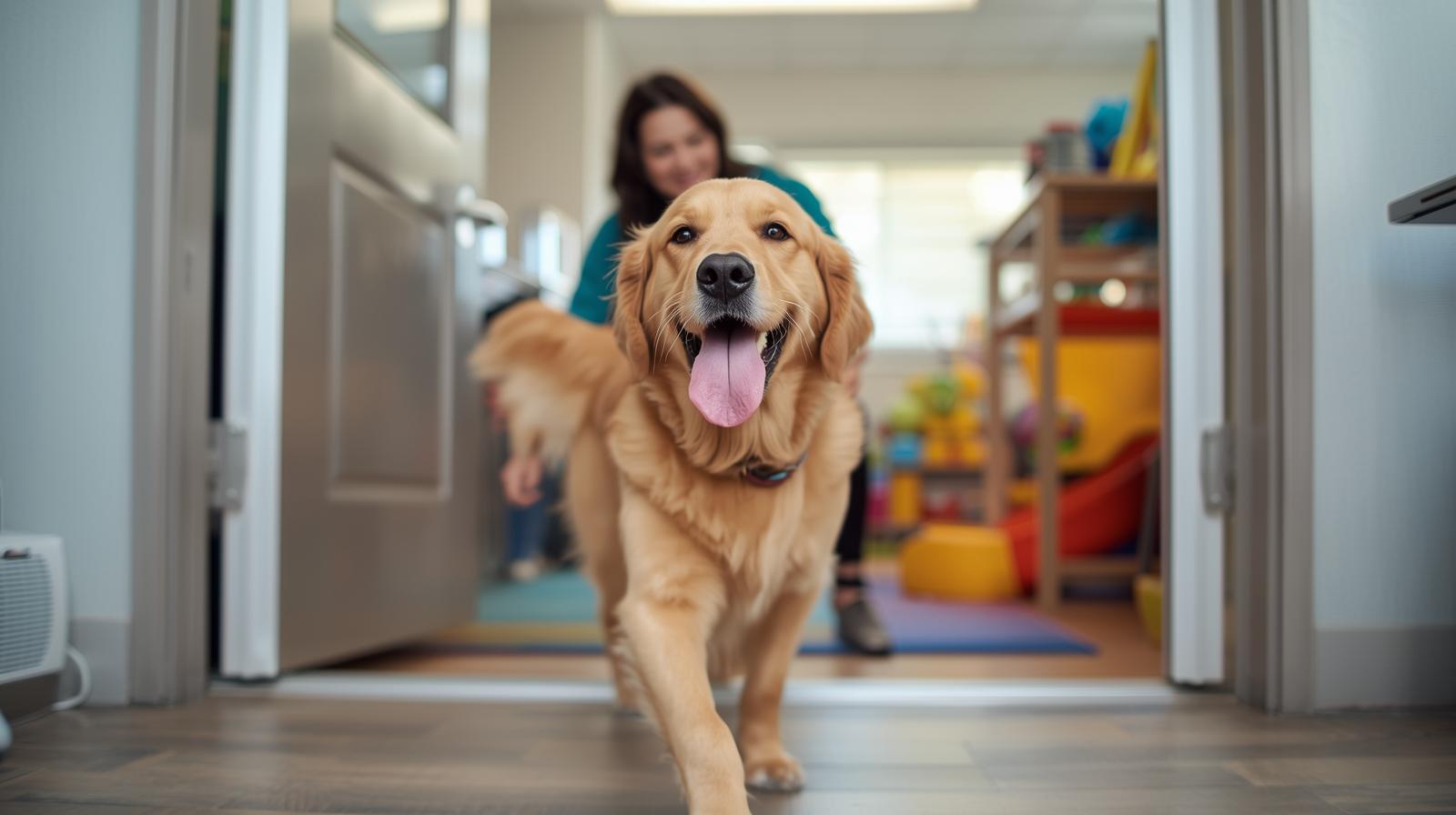
Large groups create chaos. Dogs get overstimulated, conflicts rise, and staff lose sight of individual behavior. Smaller play groups, usually eight to fifteen dogs, give each dog room to move and staff enough visibility to step in early. Facilities that take this approach, like those you will find at a doggy daycare fort worth location, tend to send dogs home tired and relaxed instead of wound up.
What to Expect on the First Daycare Day
The first visit sets the tone. A responsible daycare will not just toss your dog into a group and hope for the best.
The Temperament Assessment
Most good facilities run a trial session or a temperament test before full enrollment. They watch how your dog reacts to new people, new dogs, and new surroundings. This is not a pass-fail exam. It helps the staff figure out which group is the best fit and whether daycare is even the right setting for your dog.
Expect your dog to be tired after that first day. Some dogs are quiet and clingy for the first night or two. That is normal. They just spent hours processing a brand new world. Give them space to rest and recover.
Boarding vs Daycare: Choose What Fits Your Dog’s Needs
These two services overlap but serve different purposes. Mixing them up can lead to the wrong choice.
Daycare is for daytime care while you work. Your dog plays, rests, and comes home at the end of the day. Boarding is overnight care for when you travel. Some facilities offer both, but the quality of one does not guarantee the quality of the other.
Ask about sleeping arrangements for boarding. Find out if dogs are crated or given open rooms. Ask whether staff is on-site overnight or just checking in by camera. A dog that thrives at daycare may still struggle with boarding if the overnight setup does not suit them. Visit the boarding area the same way you would visit the play floor. Your dog deserves the same standard of care at midnight that they get at noon.