Owning a high-end vehicle is often about more than just getting from point A to point B. For many, it represents an achievement and a specific way of life. Modern supercars offer incredible speed, but they often lack a certain character found in older models. True luxury is found in the history and the craftsmanship of a classic car. These vehicles tell a story that a brand-new car off the lot simply cannot match.
The Shift Toward Mechanical Authenticity
The definition of a high-end vehicle is changing for the modern era. Wealthy collectors are looking for ways to stand out in a world full of mass-produced goods. One luxury lifestyle report mentioned that for the modern elite, luxury is no longer just about the car itself. It is about being understood and remaining unforgettable to those around you.
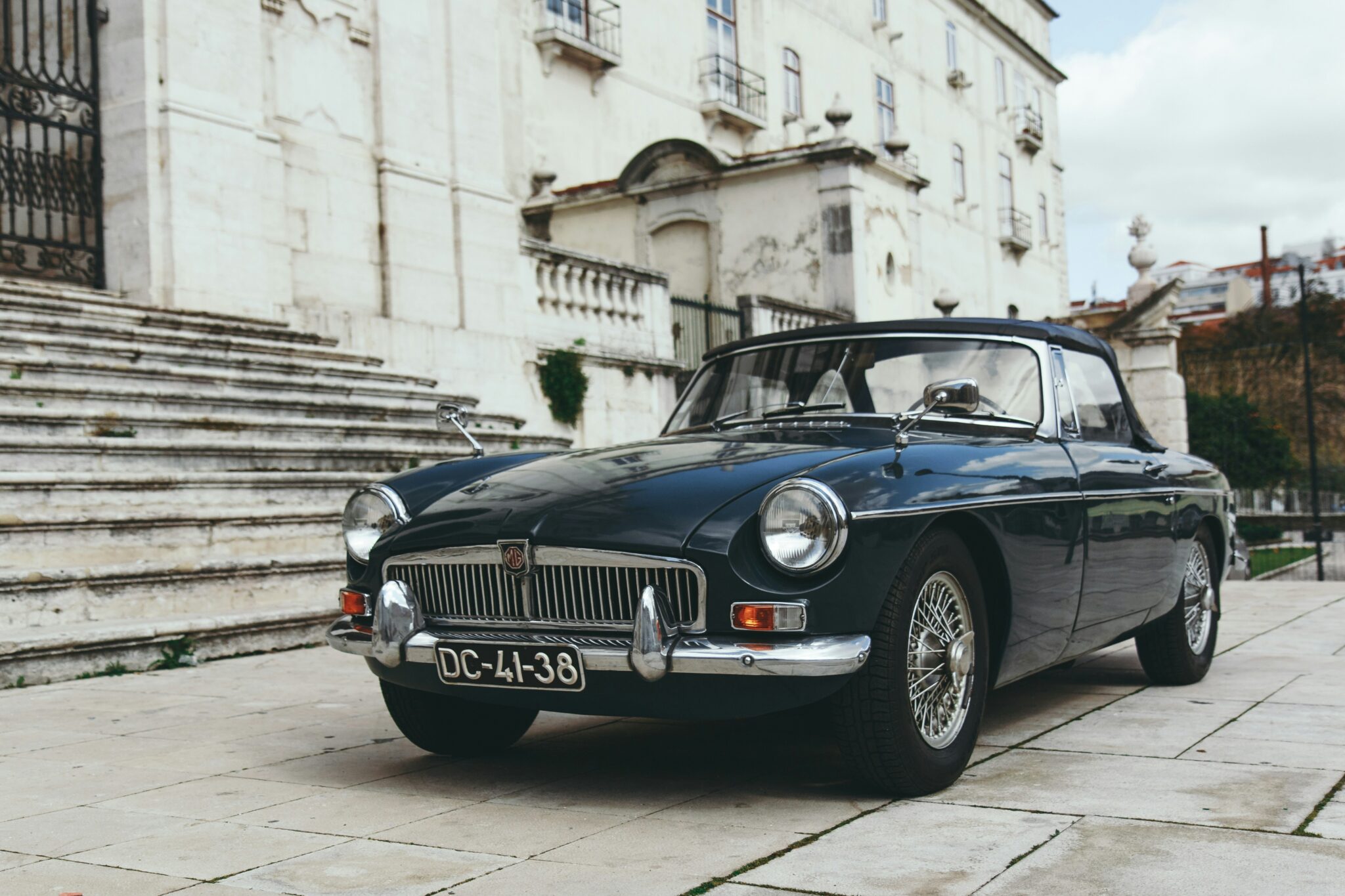
A classic car acts as a rolling piece of art. It shows that the owner values heritage over the latest digital gadgets. Driving a vintage machine requires more focus and skill than a modern car with automatic assists. This connection between the driver and the machine is a rare commodity today.
Why History Matters in the Market
The value of these vehicles continues to climb as more people recognize their worth. Many enthusiasts are now looking across borders to find the perfect addition to their garage. You should find a respected figure in the collector car market to help you navigate these unique purchases. Having an expert guide ensures you find a vehicle with a clean history and a high level of original detail. A recent logistics report highlighted that classic car imports saw a 37 percent jump year-over-year. This surge shows that the passion for vintage metal is a global trend.
Expert buyers understand which models will hold their value and which are just passing fads. They can spot a restoration that looks good on the surface but hides mechanical issues underneath. Relying on professional insight helps you avoid the common pitfalls of the auction world. This level of diligence is a hallmark of the true luxury collector.
Defining the New Standard of Elegance
Luxury is often defined by rarity and the effort required to maintain it. A modern luxury car might have more screens, but it lacks the tactile feel of a weighted gear shifter. The smell of aged leather and the sound of a naturally aspirated engine create an atmosphere that technology cannot replicate.
- Hand-stitched interiors using materials that last for decades.
- Engines designed to be repaired rather than replaced.
- Timeless body lines that do not follow modern aerodynamic trends.
- A mechanical honesty that is missing from electric vehicles.
Collectors appreciate the usable nature of these machines. While some people keep their cars in a climate-controlled bubble, the real joy comes from the open road. Using these cars as they were intended adds to the prestige of the ownership experience.
The Value of Tangible Engineering
Modern vehicles rely on software to provide a luxury experience. In contrast, a vintage automobile relies on physics and precision engineering. There is a weight to the doors and a click to the switches that feel intentional. This physical feedback provides a sense of quality that a touchscreen can never provide.
The Role of Scarcity
As time passes, the number of well-preserved classics naturally shrinks. This scarcity drives the market and makes owning a prime example a status symbol. Unlike a new car that anyone with a checkbook can buy, a classic requires a hunt. Finding the right car in the right condition is part of the allure.
A Different Kind of Performance
Performance in a classic car is not just about 0-60 times. It is about how the car communicates with the driver through the steering wheel and pedals. You feel every bump in the road and every change in the engine note. This transparency creates a thrilling experience that modern insulated cabins have lost.
Investing in a Legacy
Many people now view classic cars as a legitimate part of a diversified portfolio. They offer a physical asset that you can enjoy while its value potentially grows. This dual purpose makes them more attractive than stocks or bonds for those with a passion for driving. It turns a hobby into a strategic financial move.
Maintenance is part of the investment process. Keeping a vintage engine running smoothly requires a dedicated mechanic and a bit of patience. This commitment to preservation is what separates a casual driver from a true connoisseur. It shows a respect for the past and a desire to keep history alive on the streets.
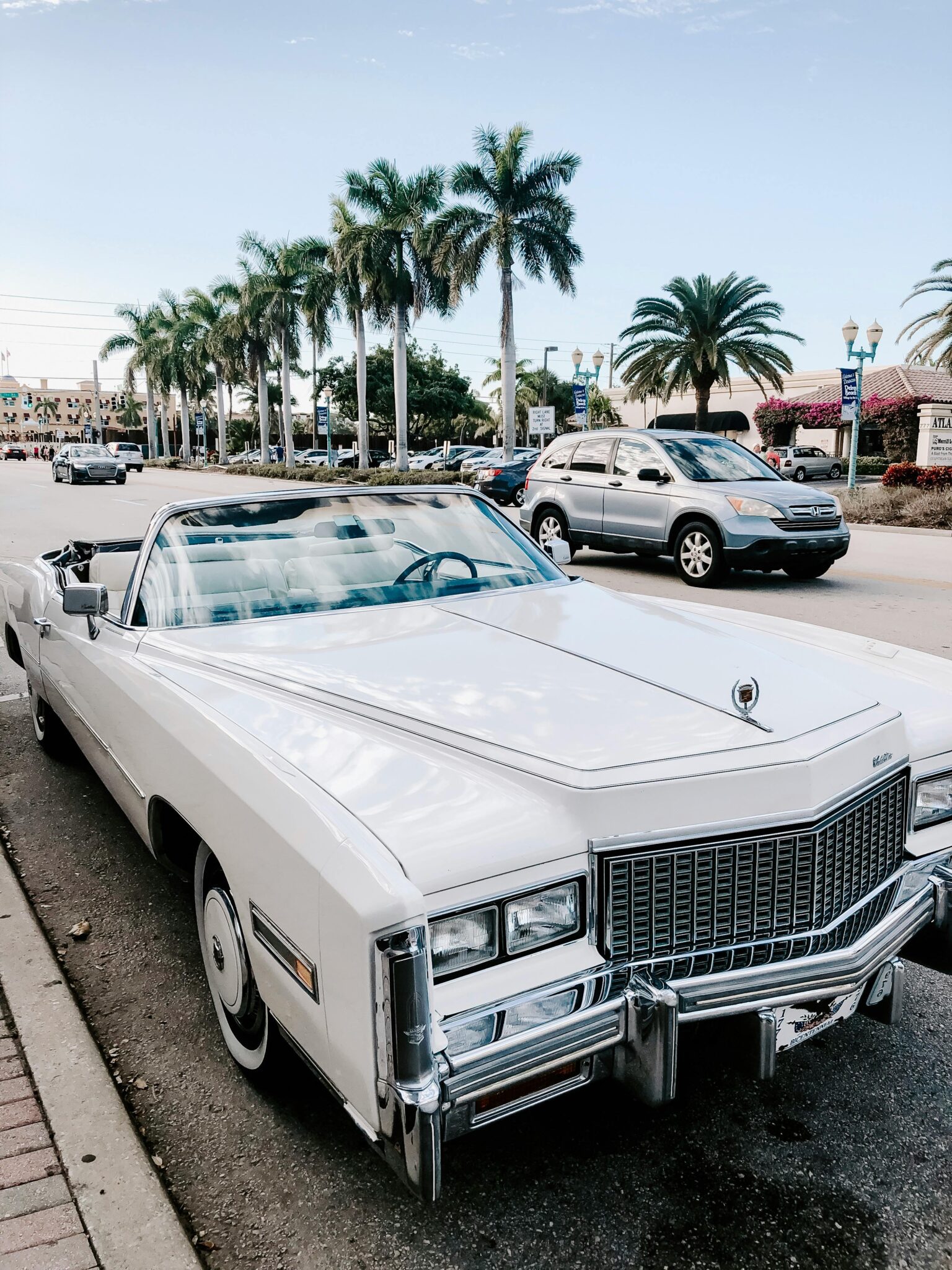
Investing in a classic is a way to preserve a specific era of human ingenuity. These cars do not depreciate the moment you drive them home. Instead, they often become more valuable as they age and become harder to find. Owning one is a statement that you prefer timeless quality over temporary trends. You aren’t just buying a car, you’re becoming a guardian of a legacy that will inspire people for years to come.