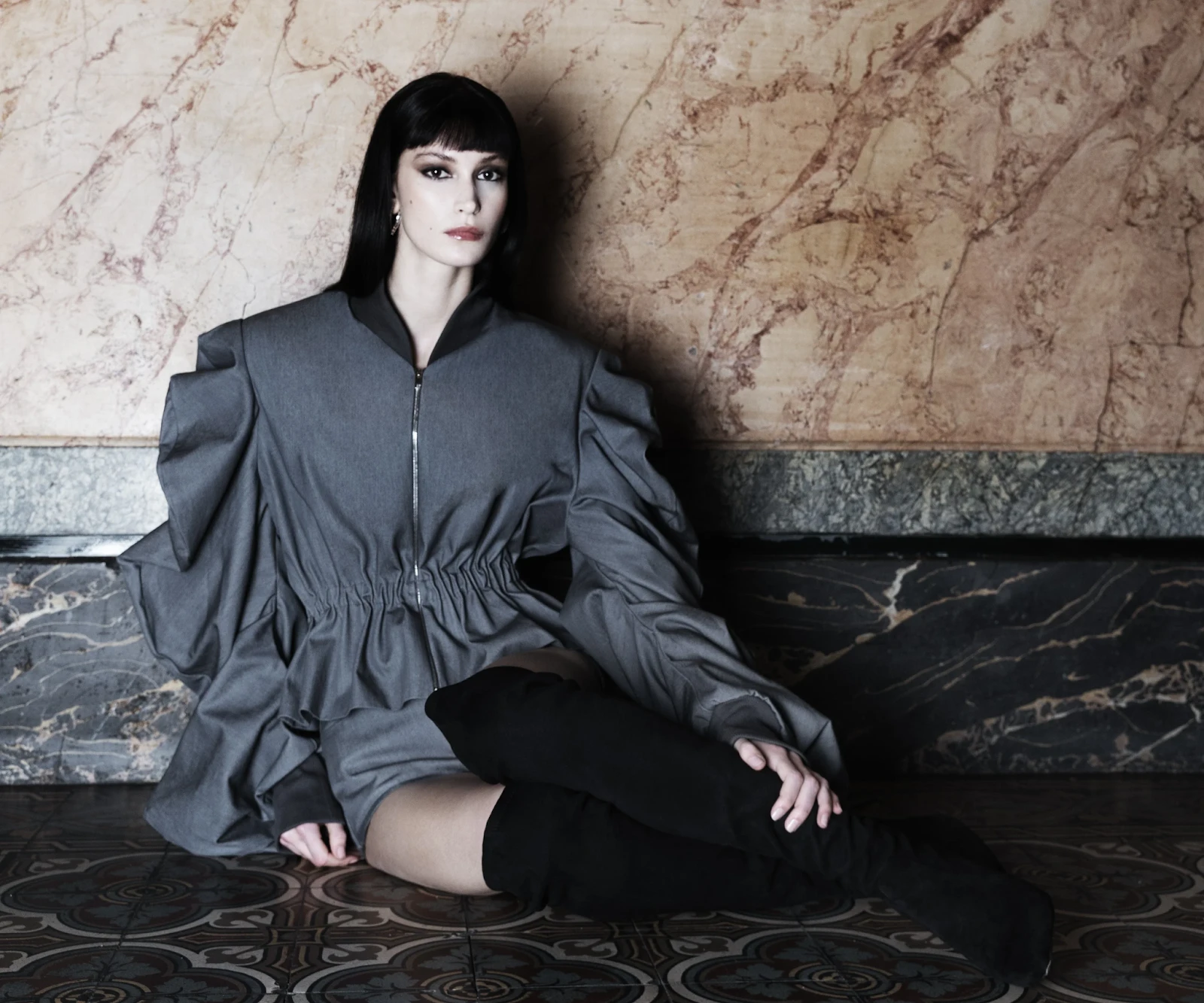
Haute couture began as a closed world: garments made for court life, financed by aristocracy, and defined by strict etiquette. Yet even in its earliest form, couture was never only about decoration – it was about identity, posture, and the quiet power of choosing how to appear in the world. Over time, that private language of clothing expanded beyond palaces and salons, and today it continues to evolve in a more democratic direction. In a contemporary designer clothes store, the question is less “Who is allowed to wear this?” and more “What does this piece express, and how does it live with you?”
Origins: Craft as Status, Craft as Story
The first era of high fashion established a principle that still matters: a garment is valuable when it carries intelligence of construction. Early couture ateliers refined the vocabulary of silhouette, proportion, and fabric behavior. Handwork mattered not as a luxury label, but as a guarantee that the piece was intentional – built to shape the wearer’s presence, not merely to follow a trend.
The 20th Century: When Couture Met Modern Life
As cities industrialized and women’s roles changed, fashion faced a new requirement: elegance had to move. Designers began to treat clothing as architecture for the body – cleaner lines, smarter tailoring, lighter structures, and an emphasis on freedom. Couture became less ceremonial and more philosophical: it was still rare, but it started to speak to everyday rhythm, not only to exceptional occasions.
From “Look” to “Language”
This period also reframed fashion as a form of communication. A coat, a dress, a suit could be read like a sentence – precise or romantic, strict or fluid. The best couture houses were those that built recognizable codes without turning them into cages.
The Rise of Ready-to-Wear and the New Meaning of Luxury
The spread of prêt-à-porter did not destroy haute couture; it challenged it. If more people could access designer aesthetics, couture had to justify itself through depth rather than exclusivity. Luxury shifted from “hard to obtain” to “hard to replicate”: superior materials, refined details, responsible production, and a point of view that outlasts a season.
Today: Conscious Craft, Timelessness, and the Individual
Modern high fashion is increasingly defined by restraint and responsibility. The wearer expects not only beauty, but clarity: honest materials, thoughtful sourcing, and pieces designed to endure physically and emotionally. In this context, couture’s greatest legacy is not spectacle – it is discipline. Clean cuts, balanced silhouettes, and meticulous finishing allow clothing to become a long-term companion rather than a short-lived statement.
Wardrobe as Investment in Self
The contemporary approach treats style as continuity. Instead of chasing novelty, the focus turns to garments that integrate easily, elevate daily life, and remain relevant as tastes mature. High fashion becomes less about being seen and more about feeling aligned – strong, composed, and authentic.
Where Haute Couture Is Going Next
The future of high fashion will likely be quieter, sharper, and more personal. Craft will remain central, but its purpose will be to support individuality rather than to perform status. The most compelling brands will build a world where elegance is lived – through comfort, precision, and integrity – rather than displayed.
Closing Thought
In this new chapter, couture’s evolution returns to its original strength: clothing as a disciplined art form shaped by human hands and human intent. Brands that embrace timeless design, refined minimalism, and meaningful quality define what high fashion can be now. SAGIO stands within this direction – creating pieces that prioritize craftsmanship, balance, and enduring style over fleeting noise.