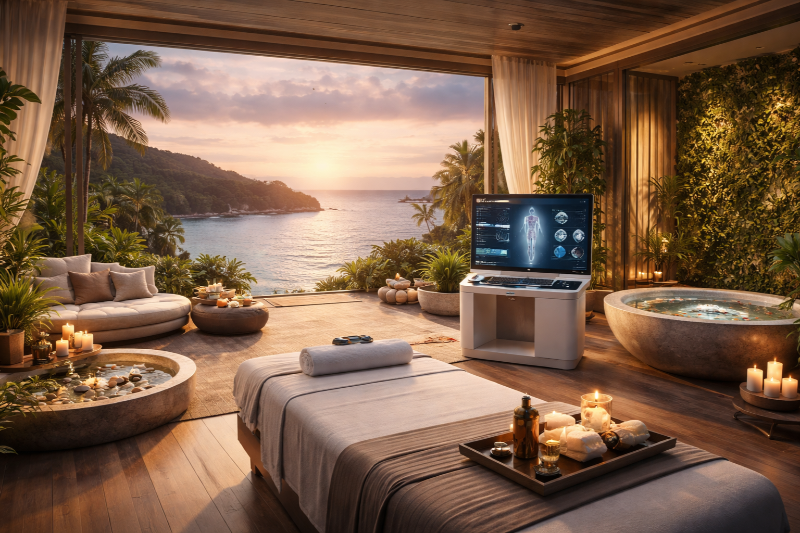
Luxury hospitality is undergoing a profound transformation. What was once defined by opulent interiors, fine dining, and impeccable service is now being reimagined through a deeper, more personal lens health, longevity, and well-being. At the center of this shift is Ultra-Personalized Wellness, a concept that is redefining how luxury hotels engage with their guests. Rather than offering standardized spa menus or generic fitness amenities, leading properties are designing experiences that adapt to each guest’s biology, lifestyle, and long-term health goals.
Ultra-Personalized Wellness goes far beyond traditional wellness retreats. It integrates biometric data, advanced diagnostics, and bespoke lifestyle programming to create individualized health journeys. From DNA-based nutrition plans to AI-driven sleep optimization, luxury hotels are becoming temporary health ecosystems where guests can recalibrate both body and mind. This evolution reflects a growing demand among high-net-worth travelers for preventative care, performance enhancement, and measurable well-being outcomes.
Moreover, Ultra-Personalized Wellness is no longer a niche offering. It is becoming a strategic differentiator for luxury hotels seeking relevance in a competitive global market. By merging hospitality with health science, data analytics, and experiential luxury, hotels are transforming from places of indulgence into destinations of renewal, resilience, and longevity.
Why Ultra-Personalized Wellness Is Redefining Luxury Hospitality?
Luxury travelers today are more informed, health-conscious, and outcome-driven than ever before. They are not simply seeking relaxation; they are seeking optimization. Consequently, the hospitality industry is responding by embedding wellness into every aspect of the guest experience.
Ultra-Personalized Wellness represents a shift from reactive care to preventative and proactive health management. Instead of offering the same spa treatment to every guest, hotels are using pre-arrival assessments, biometric screenings, and lifestyle data to tailor experiences. This approach aligns wellness services with individual circadian rhythms, stress profiles, metabolic needs, and mental performance goals.
However, personalization is not just about technology—it is about intention. Luxury hotels are reframing wellness as a journey rather than a menu item, positioning themselves as partners in a guest’s long-term health narrative.
The Role of AI and Data Analytics in Personalized Wellness
Artificial intelligence is rapidly becoming the backbone of data-driven hospitality health services. AI-powered platforms can analyze vast datasets from sleep patterns to heart rate variability to generate actionable insights in real time. These insights allow hotels to adjust room environments, recommend nutrition plans, and design fitness or recovery protocols tailored to each guest.
Moreover, predictive analytics enable hotels to anticipate guest needs before they are expressed. For example, AI systems can identify early signs of fatigue or stress and recommend interventions such as guided meditation, light therapy, or recovery-focused spa treatments.
Consequently, Ultra-Personalized Wellness is transforming luxury hotels into intelligent wellness environments where personalization evolves dynamically throughout a guest’s stay.
DNA-Based Nutrition and Metabolic Customization
One of the most compelling developments in next-generation hotel wellness models is DNA-based nutrition. By analyzing genetic markers related to metabolism, inflammation, and nutrient absorption, hotels can create personalized meal plans that align with a guest’s biological blueprint.
These bespoke wellness programs often extend beyond food. Supplements, hydration protocols, and fasting strategies are curated based on genetic predispositions and lifestyle goals. While DNA testing raises important ethical and privacy considerations, its application in luxury hospitality underscores the demand for precision-driven wellness.
Therefore, nutrition in luxury hotels is shifting from indulgence-first to intelligence-first, without sacrificing culinary excellence.
Sleep Optimization Suites and Recovery Science
Sleep has emerged as one of the most valuable currencies in luxury wellness. Ultra-Personalized Wellness programs increasingly feature sleep optimization suites equipped with circadian lighting, temperature regulation, sound therapy, and AI-monitored sleep tracking.
Hotels are collaborating with sleep scientists to design environments that support deep, restorative rest. Mattresses, pillows, and even scent profiles are selected based on individual sleep data. Moreover, guests may receive post-stay sleep reports with actionable recommendations.
As a result, sleep optimization is no longer an amenity—it is a core pillar of experiential luxury health retreats.
Mental Performance Coaching and Cognitive Wellness
Luxury wellness is expanding beyond the physical body to include cognitive resilience and emotional intelligence. Mental performance coaching, once reserved for elite athletes and executives, is now being integrated into high-end hospitality offerings.
These programs may include mindfulness training, stress resilience workshops, breathwork, and neurofeedback sessions. Some hotels even offer digital detox environments and guided cognitive recovery protocols.
Consequently, Ultra-Personalized Wellness recognizes that peak performance and longevity require mental clarity as much as physical vitality.
Longevity Therapies and Biohacking Tourism
Longevity-focused hospitality is one of the fastest-growing segments within luxury wellness. Guests are increasingly drawn to therapies aimed at slowing biological aging and enhancing cellular health. These may include cryotherapy, red light therapy, IV nutrient infusions, hyperbaric oxygen therapy, and regenerative treatments.
While medical oversight is essential, many luxury hotels are partnering with licensed clinicians and research institutions to ensure credibility. This fusion of science and hospitality has given rise to biohacking tourism—travel experiences designed around measurable health optimization.
Therefore, Ultra-Personalized Wellness is positioning luxury hotels at the intersection of lifestyle, medicine, and longevity science.
Holistic Spa Innovation and Immersive Wellness Architecture
The physical design of luxury hotels is evolving to support personalized wellness journeys. Immersive wellness architecture integrates natural materials, biophilic design, soundscapes, and spatial psychology to enhance healing and relaxation.
Spas are becoming modular, adaptive spaces rather than static treatment rooms. Guests move through curated wellness pathways that align with their emotional and physical states. Moreover, sustainability plays a crucial role, with eco-conscious materials and energy-efficient systems reinforcing the connection between personal health and planetary well-being.
Consequently, architecture itself becomes a silent contributor to Ultra-Personalized Wellness.
Personalized Wellness Offerings Comparison
| Service Type | Customization Level | Technology Integration | Target Guest Profile | Revenue Potential |
|---|---|---|---|---|
| AI Health Assessment | High | AI, biometrics | Executive travelers | Very High |
| DNA-Based Nutrition | Very High | Genomics platforms | Longevity-focused guests | High |
| Sleep Optimization Suites | Medium–High | IoT, sleep analytics | Burnout recovery travelers | High |
| Mental Performance Coaching | Medium | Neurotech, apps | High-stress professionals | Medium–High |
| Longevity Therapies | Very High | Medical devices | Biohacking enthusiasts | Very High |
Business Model Transformation in Luxury Hospitality
Ultra-Personalized Wellness is reshaping hospitality economics. Hotels are transitioning from one-time service transactions to long-term wellness relationships. Membership models, subscription-based programs, and post-stay digital engagement are becoming standard.
Moreover, personalization increases guest loyalty and lifetime value. Guests who experience tangible health benefits are more likely to return and recommend the property. Therefore, wellness is no longer a cost center—it is a strategic revenue driver.
Investment & Operational Impact Analysis
| Factor | Impact Level | Strategic Consideration |
|---|---|---|
| Infrastructure Cost | High | Specialized rooms, tech integration |
| Staffing Requirements | High | Clinicians, wellness experts |
| ROI Timeline | Medium | 2–4 years |
| Brand Differentiation Value | Very High | Strong market positioning |
| Long-Term Market Positioning | Exceptional | Leadership in wellness hospitality |
Privacy, Ethics, and Medical Credibility
With personalization comes responsibility. Data privacy and ethical handling of health information are critical concerns. Luxury hotels must invest in secure data systems, transparent consent protocols, and partnerships with accredited medical professionals.
However, when handled responsibly, data-driven hospitality health services enhance trust and elevate brand credibility.
The Future of Ultra-Personalized Wellness Beyond 2026
Looking ahead, AI-powered diagnostics, continuous biometric monitoring, and predictive health modeling will further refine Ultra-Personalized Wellness. Sustainable wellness design, longevity tourism, and integrated digital health ecosystems will define the next era of luxury hospitality.
Moreover, as consumer expectations evolve, hotels that fail to innovate risk obsolescence. Those that embrace personalization, ethics, and science-driven wellness will lead the market.
Therefore, Ultra-Personalized Wellness is not a trend—it is the future of luxury hospitality.
FAQ
How does Ultra-Personalized Wellness work in luxury hotels?
It combines biometric data, lifestyle assessments, and expert guidance to tailor wellness programs for each guest.
Are there privacy concerns with personalized wellness data?
Yes, which is why leading hotels use encrypted systems, strict consent protocols, and medical-grade compliance standards.
Is Ultra-Personalized Wellness expensive?
Pricing varies, but services are typically premium and aligned with high-net-worth guest expectations.
Are health benefits measurable?
Many programs provide data-backed results such as improved sleep quality, stress reduction, and metabolic markers.
How do hotels maintain medical credibility?
Through partnerships with licensed professionals, wellness institutions, and evidence-based practices.