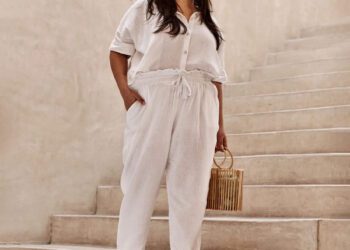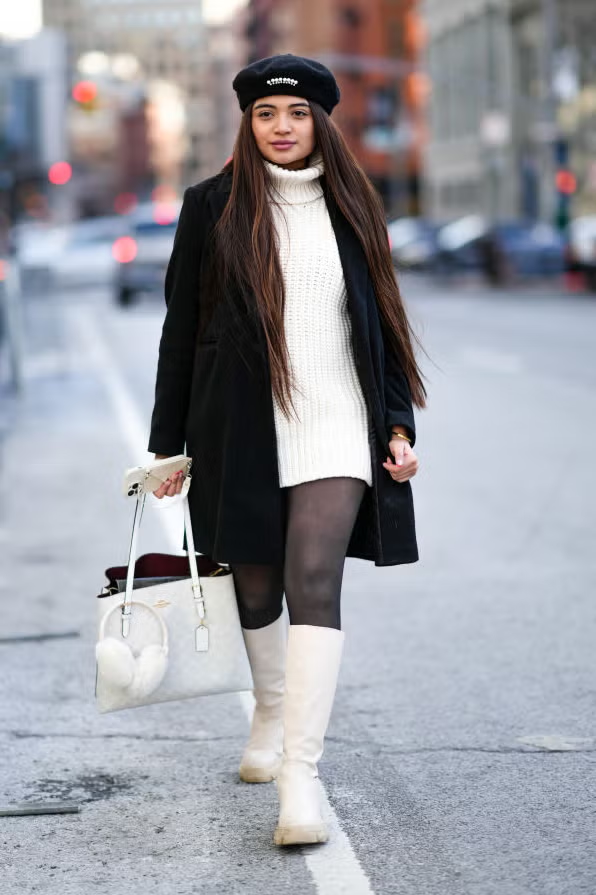
Transitional weather can be one of the trickiest times to dress. Mornings may feel chilly, afternoons warm up, and evenings cool down again. Knowing how to layer effectively allows you to stay comfortable while still looking polished and stylish. Layering outfit ideas for transitional weather focus on flexibility, lightweight fabrics, and thoughtful combinations that adapt throughout the day.
This guide explores practical layering techniques, essential wardrobe pieces, and styling tips to help you navigate unpredictable temperatures with confidence.
Why Layering Matters in Transitional Weather
Layering is not just about warmth; it is about adaptability. Transitional seasons like spring and fall demand outfits that can easily be adjusted without compromising style.
Well-planned layers allow you to remove or add pieces as temperatures change, keeping your look functional and cohesive at all times. When done right, layering also adds depth and visual interest to even the simplest outfits.
Start With a Lightweight Base Layer
The foundation of any layered outfit is the base layer. This piece sits closest to the body and should be breathable and comfortable.
Ideal base layers include:
-
Plain t-shirts
-
Lightweight long-sleeve tops
-
Fitted cotton or jersey shirts
Neutral colors work best, as they pair easily with outer layers and reduce outfit complexity.
Add a Mid-Layer for Warmth and Style
The mid-layer provides insulation and is often the most visible part of your outfit. This layer should be easy to remove if temperatures rise.
Popular mid-layer options include:
-
Cardigans
-
Light sweaters
-
Button-down shirts
-
Overshirts
Mid-layers are where texture and subtle color variations can be introduced without overwhelming the outfit.
Finish With a Functional Outer Layer
Outer layers protect against wind and sudden temperature drops. In transitional weather, heavy coats are often unnecessary, so choose lighter alternatives.
Effective outer layers include:
-
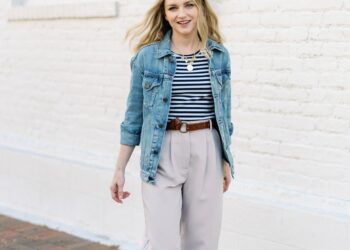
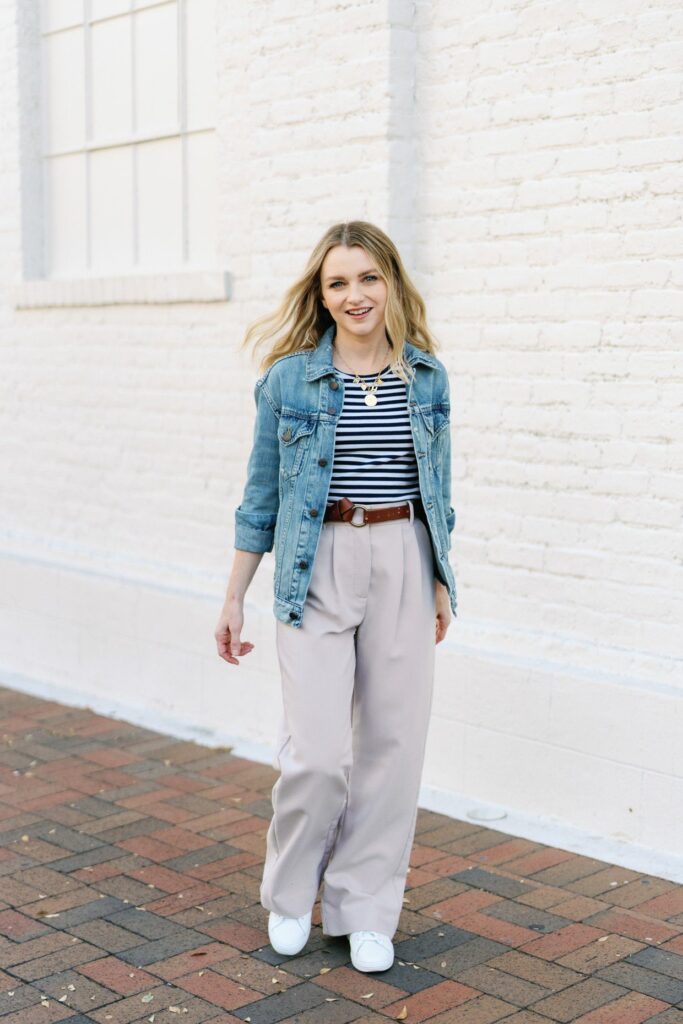
Denim jackets
-
Lightweight trench coats
-
Blazers
-
Utility jackets
These pieces add structure and instantly elevate layered outfits.
Balance Proportions for a Polished Look
Successful layering depends on proportion. Avoid bulky combinations by balancing fitted and relaxed pieces.
For example:
-
Pair a slim base layer with a slightly relaxed jacket
-
Use shorter outer layers over longer base tops
-
Avoid stacking oversized pieces together
Balanced proportions keep layered outfits looking intentional rather than cluttered.
Use Color and Texture Strategically
Layering offers an opportunity to experiment with texture and subtle contrast. Mixing fabrics such as cotton, knit, and denim creates depth without relying on bold colors.
Stick to a cohesive color palette to ensure all layers work together. Neutral tones with one accent color keep outfits versatile and modern.
Footwear Completes the Look
Footwear plays a key role in transitional outfits. Shoes should be comfortable for changing conditions while still complementing layered looks.
Good options include:
-
Loafers
-
Ankle boots
-
Clean sneakers
Choosing footwear that transitions easily from cool mornings to warmer afternoons adds practicality to your outfit.
Sustainable Layering Choices
Layering works best when built around durable, timeless pieces. Investing in quality items that can be worn across seasons supports a more sustainable approach to fashion. Many people now look toward Affordable Ethical Fashion Brands Online for versatile layering essentials that prioritize longevity, responsible materials, and ethical production.
These pieces integrate seamlessly into layered outfits and reduce the need for frequent wardrobe updates.
Essential Layering Pieces for Transitional Weather
| Layer Type | Clothing Examples | Styling Tip |
|---|---|---|
| Base Layer | T-shirts, light tops | Keep colors neutral |
| Mid-Layer | Cardigans, shirts | Add texture or light color |
| Outer Layer | Jackets, blazers | Choose lightweight fabrics |
| Bottoms | Jeans, trousers | Stick to classic fits |
| Footwear | Sneakers, boots | Match overall tone |
Common Layering Mistakes to Avoid
-
Wearing too many heavy layers at once
-
Ignoring fit and proportions
-
Mixing clashing colors
-
Forgetting ease of removal
-
Choosing fabrics that do not breathe
Avoiding these mistakes ensures comfort and style throughout the day.
FAQs
What fabrics are best for transitional layering?
Breathable fabrics like cotton, lightweight knits, and blends work best for fluctuating temperatures.
How many layers should I wear in transitional weather?
Typically, three layers are sufficient: a base layer, a mid-layer, and a light outer layer.
Can layering work for both casual and formal outfits?
Yes. Layering can be adapted for casual wear with jackets and cardigans or for formal settings with blazers and structured coats.
How do I keep layered outfits from looking bulky?
Focus on fit, use lightweight fabrics, and balance loose and fitted pieces.
Is layering suitable for warmer climates?
Yes. Lightweight layering allows flexibility without overheating, especially during cooler mornings and evenings.
Final Thoughts
Layering outfit ideas for transitional weather combine comfort, adaptability, and style. By choosing lightweight fabrics, versatile pieces, and balanced proportions, you can create outfits that respond effortlessly to changing temperatures. Thoughtful layering not only enhances practicality but also adds depth and sophistication to your everyday look, making transitional seasons easier and more stylish to navigate.