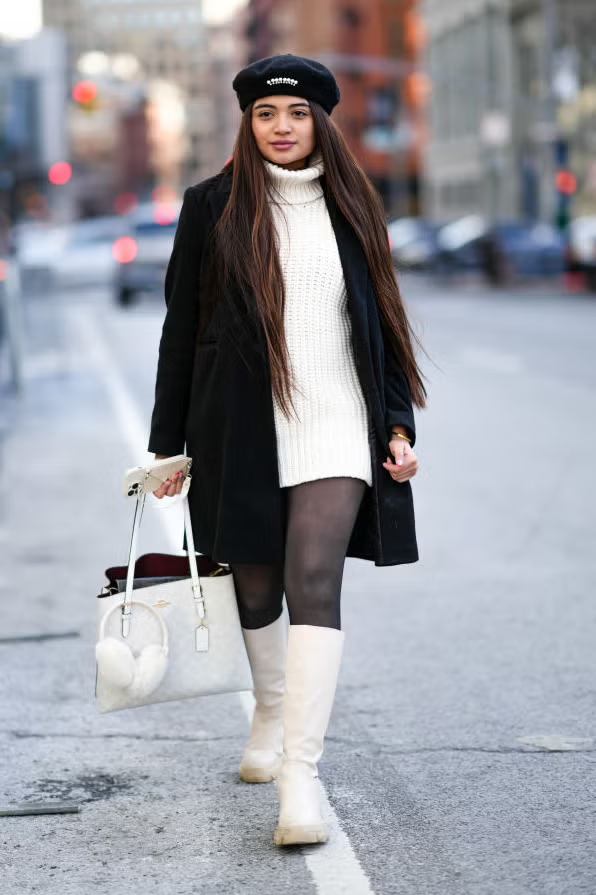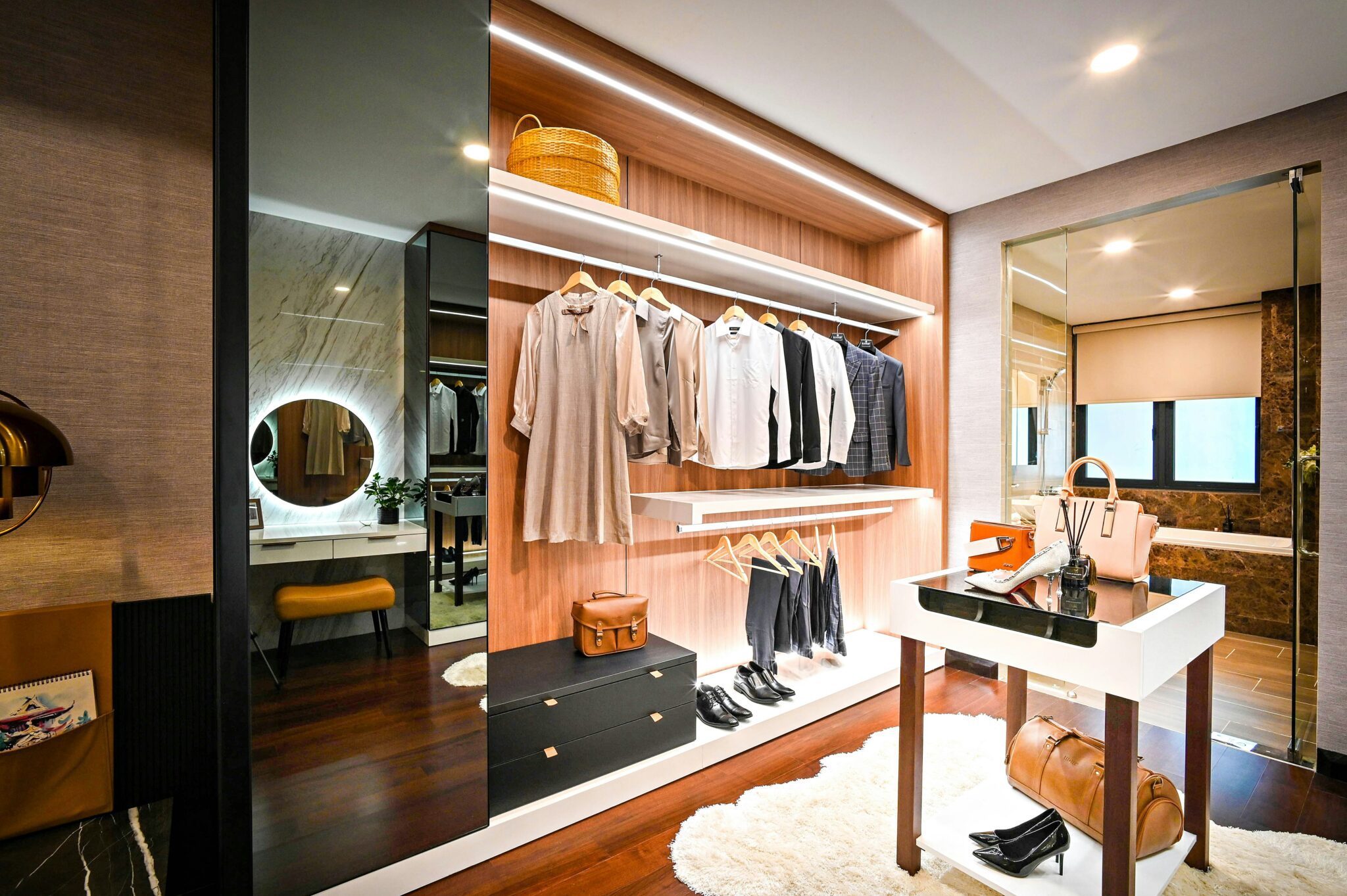
Looking stylish does not require a closet packed with trendy clothes or expensive designer pieces. In fact, some of the most fashionable people in the world rely on a limited wardrobe and smart styling choices to create polished, modern looks every day. Learning how to dress stylishly with a limited wardrobe is about creativity, intention, and understanding what truly works for your body, lifestyle, and personal taste.
This guide will show you how to maximize your existing clothes, avoid common pitfalls, and build outfits that always look fresh and confident.
Understand the Power of a Limited Wardrobe
A limited wardrobe encourages smarter decisions. When you have fewer pieces, you naturally learn how to mix and match, repeat outfits confidently, and focus on quality over quantity. Instead of chasing trends, you create a consistent personal style that feels authentic.
A smaller wardrobe also saves time. Getting dressed becomes easier when every item works well with others, reducing stress and decision fatigue.
Start With Versatile Basics
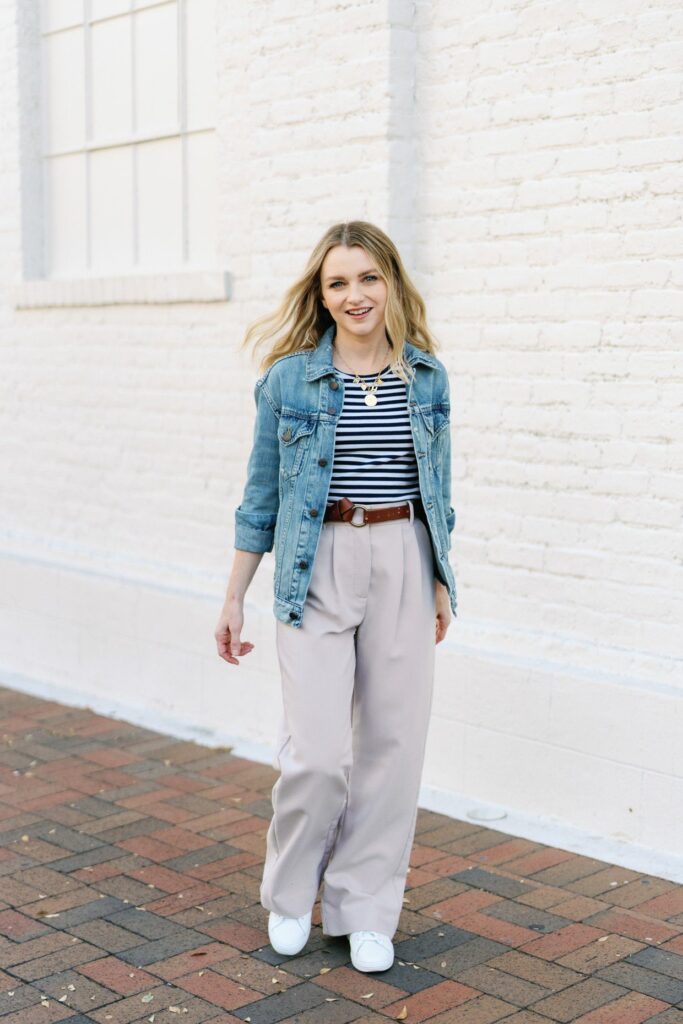
The foundation of dressing stylishly with fewer clothes lies in versatile basics. These are items that can be worn in multiple ways and across different occasions.
Examples include:
-
Neutral-colored tops such as white, black, beige, or navy
-
Well-fitted jeans or tailored trousers
-
A structured blazer or lightweight jacket
-
Comfortable yet stylish footwear
When basics fit well and are made from durable fabrics, they instantly elevate your look even without bold accessories.
Focus on Fit Over Quantity
No amount of clothing can compensate for poor fit. One perfectly fitted shirt will always look better than five ill-fitting ones. Tailoring is one of the most underrated style investments and can completely transform inexpensive pieces.
Pay attention to shoulder seams, sleeve length, pant hems, and waist fit. Clean lines and proper proportions make outfits appear intentional and refined.
Choose a Cohesive Color Palette
A cohesive color palette allows you to create more outfits with fewer pieces. Stick to two or three base colors and add one or two accent shades.
For example:
-
Base colors: black, grey, white
-
Accent colors: olive green or burgundy
This approach ensures that almost everything in your wardrobe pairs well together, increasing outfit combinations without adding new clothes.
Layering Creates New Looks
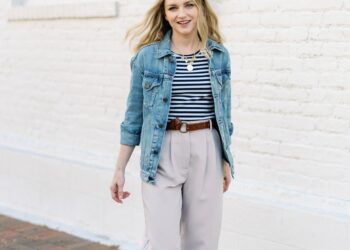
Layering is a powerful styling technique that adds depth and variety to simple outfits. A basic shirt can look entirely different when layered under a jacket, cardigan, or overshirt.
Lightweight layers work year-round and help transition outfits from casual to polished with minimal effort.
Accessories Make the Difference
Accessories are essential when working with a limited wardrobe. They refresh outfits without changing your core clothing.
Consider:
-
Belts to define the waist or add contrast
-
Watches or minimal jewelry for subtle elegance
-
Scarves or bags to add texture and interest
Rotating accessories can make repeated outfits feel new and intentional.
Avoid Outdated Styling Habits
Even timeless pieces can look dated if styled incorrectly. Being aware of Fashion Mistakes That Make Outfits Look Outdated helps you stay modern without chasing every trend.
Common mistakes include wearing overly baggy or overly tight clothes, ignoring proper footwear, and holding onto worn-out items past their prime. Small updates, such as changing how you tuck a shirt or switching shoes, can instantly modernize your look.
Dress for Your Lifestyle
A stylish wardrobe should reflect your daily activities. There is no benefit in owning clothes that do not fit your routine.
If your life is casual, focus on elevated casual pieces. If you attend meetings or events, prioritize smart-casual staples. Dressing for your real life ensures everything you own gets worn and styled confidently.
Repeat Outfits With Confidence
Repeating outfits is not a fashion flaw. Styling the same pieces in different ways shows confidence and creativity. Changing shoes, layering, or accessories can give the same outfit a fresh feel.
True style is not about constant novelty but about consistency and self-assurance.
Essential Limited Wardrobe Pieces and How to Style Them
| Wardrobe Item | Styling Tips | Occasions |
|---|---|---|
| White Shirt | Wear tucked, untucked, or layered | Casual, work, events |
| Dark Jeans | Pair with sneakers or dress shoes | Daily wear |
| Neutral Blazer | Layer over tees or shirts | Work, dinners |
| Plain T-Shirt | Use as base for layering | Casual outings |
| Comfortable Shoes | Choose clean, simple designs | Everyday use |
FAQs
How many clothes should a limited wardrobe have?
There is no fixed number, but a limited wardrobe usually contains 25 to 40 versatile pieces that can be mixed easily.
Can I still follow trends with a small wardrobe?
Yes. You can incorporate trends through accessories, colors, or styling methods without replacing your core items.
Is a limited wardrobe suitable for all seasons?
Absolutely. Seasonal layering and fabric choices allow a small wardrobe to work year-round.
How often should I update my wardrobe?
Focus on replacing worn-out items rather than constantly adding new ones. Quality maintenance matters more than frequent updates.
Does dressing stylishly require expensive clothes?
No. Fit, coordination, and confidence matter far more than brand names or price tags.
Final Thoughts
Learning how to dress stylishly with a limited wardrobe is about intentional choices, smart styling, and confidence. When you focus on fit, color coordination, layering, and accessories, even a small collection of clothes can deliver endless outfit possibilities. Style is not defined by how much you own, but by how well you wear it.