The UK iGaming sector is undergoing significant change as the Gambling Commission considers proposals to limit or ban wagering requirements. These requirements, often tied to bonuses and promotions, have been a staple in online gaming but may soon face restrictions aimed at improving fairness and consumer protection.
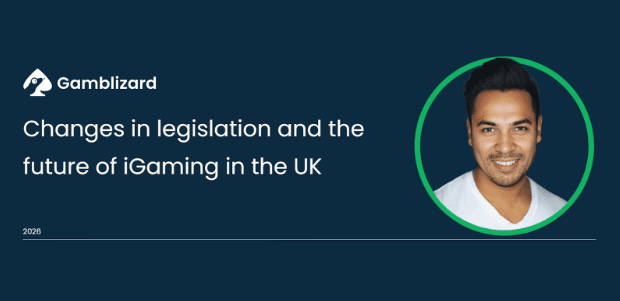
In this article, we analyze these potential changes through an interview with Jamie Wall, a leading specialist in the industry and a key figure at Gamblizard, an iGaming encyclopedia and comparison site for licensed online casinos, bonuses, and games. Jamie shares his insights on how these legislative shifts may impact both players and operators, providing a deeper understanding of the future direction for the UK iGaming market.
Changes in legislation and their significance for the industry
In the Autumn 2023 Consultation, the UK Gambling Commission put forward a proposal to limit or ban wagering requirements, a move that has generated substantial attention within the iGaming field. These conditions have been a common feature of many online casinos, but the Commission’s proposal aims to address concerns regarding player protection, fairness, and transparency.
The potential ban or restriction on wagering requirements could have far-reaching consequences for both operators and consumers. For players, it could lead to a more simple, transparent gaming session, potentially increasing consumer trust and satisfaction. On the other hand, operators might face new challenges in terms of balancing attractive promotions with sustainable business models, as bonuses are often key to customer acquisition and retention. As the consultation continues, it remains clear that these proposed changes could fundamentally reshape the way iGaming operates in the UK.
Perspectives on the Legislative Changes
Question 1: What is your opinion on the Gambling Commission’s proposal to limit or ban wagering requirements? How do you think this will impact both players and operators?
Jamie Wall’s Response:
The proposal to limit or potentially ban wagering requirements is a significant step towards ensuring greater transparency and fairness in the iGaming sector. From a player’s perspective, these changes could improve the overall session, as players would no longer face the often frustrating and confusing conditions that accompany bonus offers. In essence, it could foster trust and improve consumer confidence in online casinos, allowing players to focus on having fun with their gaming session without the pressure of complex wagering thresholds.
For operators, however, this could present challenges. Wagering requirements have been a cornerstone of many promotional strategies, and removing them may force operators to rethink their approach to attracting new customers. While these changes may result in a more consumer-friendly environment, they could also put pressure on operators to adapt quickly in order to remain competitive while ensuring profitability.
Question 2: How might these changes affect the role of operators like Gamblizard in helping players find the best online casinos?
Jamie Wall’s Response:
At Gamblizard, our primary role is to guide players towards trustworthy and responsible online casinos. With these proposed changes, we expect to see a shift in what players prioritize when choosing a site. While bonuses and wagering requirements have historically been a key factor, we anticipate that players will increasingly look for transparency, fairness, and overall user session. This shift may make our role even more important, as we’ll need to highlight operators who are leading the way in offering simple, clear promotions and fair play.
Additionally, as the regulatory environment evolves, we may see new types of features or services emerge that serve specifically to this new landscape. For example, casinos might offer more flexible bonus terms, loyalty programs, or other perks that don’t involve complicated wagering stipulations. Our job at Gamblizard will be to stay ahead of these changes and help players find sites that align with the latest standards and regulations.
Question 3: Do you believe these changes are enough to reduce the risks associated with gambling, or do you think more steps are needed from the government?
Jamie Wall’s Response:
While I believe these changes are a positive step forward, I don’t think they are enough on their own to fully reduce gambling-related risks. Limiting or banning wagering requirements is an important move toward greater transparency and fairness, but it addresses only one aspect of a much broader issue. There are still concerns around issues like problem gambling, underage gambling, and the accessibility of certain types of games that may pose risks to vulnerable people.
The government could take steps, such as implementing stricter affordability checks, improving responsible gambling tools, or creating more comprehensive educational programs for players. Moreover, the development of industry-wide standards for responsible marketing and advertising could go a long way in ensuring that operators are held accountable for their practices. So, while this proposal is a welcome change, I believe it’s just the beginning of a much-needed overhaul of the industry, and further actions will be necessary to ensure long-term player protection and the sustainability of the sector.
The Future of iGaming in the UK
Looking ahead, Jamie Wall sees a future for iGaming in the UK that is marked by innovation, adaptation, and a growing emphasis on player safety. The proposed changes to wagering requirements will likely prompt operators to rethink their strategies, with a focus on offering more transparent, simple sessions for players. As a result, we can expect to see an industry that values customer trust and sustainability over aggressive marketing tactics. Technology will play a pivotal role in this evolution. As the demand for better player protection grows, we are likely to see an increased reliance on tools like AI-driven responsible gambling features, real-time affordability checks, and improved self-exclusion measures. These technologies will not only make gambling safer but also ensure that players are more informed and in control of their gaming habits.
In terms of predictions, Jamie believes that these regulatory changes will encourage a more competitive market where responsible operators distinguish themselves. Over the next few years, we could see a consolidation of the industry, with the top-performing sites excelling by embracing transparency, fairness, and innovative solutions. Ultimately, Jamie anticipates a more secure, sustainable iGaming sector that prioritizes player welfare and long-term success.