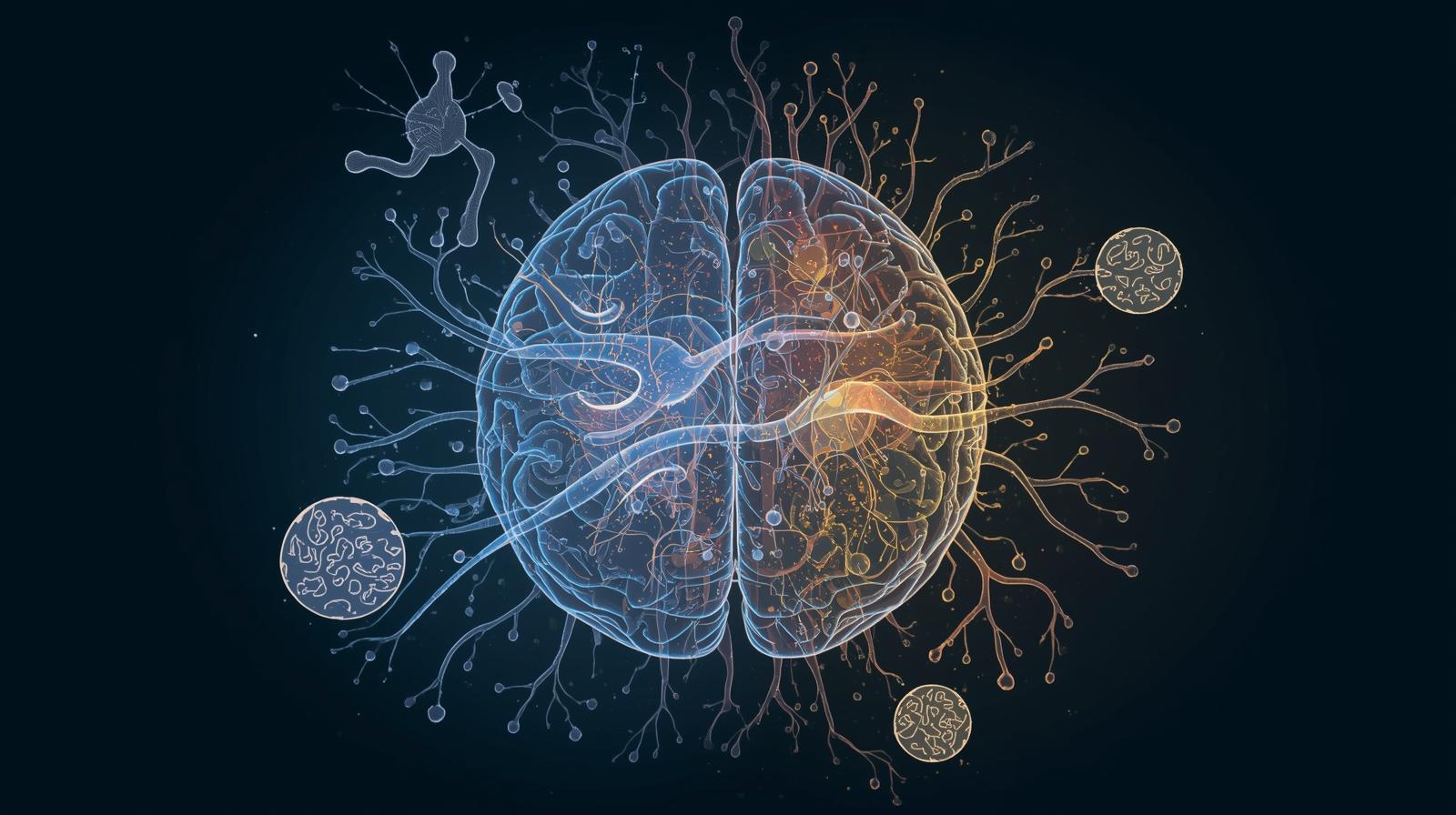
Researchers are learning more about how the brain and gut communicate. This connection becomes especially important after a head injury. Many people do not realize that the gut can play a role in brain healing. These discoveries can matter for anyone seeking legal help after a traumatic brain injury and trying to understand the full scope of their condition.
The Gut–Brain Connection
The gut and brain communicate through a complex network of nerves, chemicals, and immune signals. This relationship is known as the gut–brain axis. It supports many everyday functions, including mood regulation and immune response. When the gut is healthy, it helps maintain stability throughout the body.
When the microbiome becomes unbalanced, the effects can reach far beyond digestion. These changes may influence how the brain heals after trauma. Understanding this connection helps explain why recovery varies from person to person. It also opens the door for new treatment possibilities.
How Head Trauma Disrupts the Microbiome
A traumatic brain injury affects more than brain tissue. It triggers inflammation throughout the body. This inflammation can disrupt the microbiome and weaken its natural balance. Stress and altered immune responses after an injury can also change gut bacteria.
Some helpful bacteria may decrease while harmful strains may grow. These imbalances can contribute to further inflammation. They may also interfere with the brain’s healing process over time.
Why Inflammation Matters in Recovery
Inflammation is part of the body’s natural response to injury. But too much inflammation can slow healing. The gut microbiome helps regulate inflammation, so balancing gut bacteria becomes critical.
When the microbiome is disrupted, inflammation may increase. This can affect memory, mood, and overall brain function. For individuals recovering from a head injury, managing inflammation becomes a central part of long-term recovery.
Impact on Cognitive and Emotional Health
Changes in the microbiome can influence neurotransmitters. These chemicals affect mood, concentration, and sleep. If the microbiome is unbalanced, a person may experience increased anxiety or depression.
Cognitive challenges may become more noticeable as well. Once simple tasks may feel more difficult. These emotional and cognitive effects can slow recovery. They may also complicate treatment and rehabilitation efforts.
How the Microbiome Influences Energy and Sleep
A healthy gut supports normal sleep patterns. It also helps maintain energy levels. After a brain injury, these functions often become disrupted. An unbalanced microbiome may worsen fatigue.
It may contribute to insomnia or fragmented sleep. Because the brain needs rest to heal, sleep distractions can prolong recovery. Addressing microbiome health may help restore calmer sleep cycles.
The Role of Diet in Supporting Healing
Diet influences gut bacteria. Foods high in fiber and nutrients help good bacteria grow. Processed foods may encourage harmful bacteria. After a head injury, the body benefits from balanced nutrition.
A healthy diet may support gut stability, which in turn may help the brain heal. Diet cannot replace medical treatment, but it can play a meaningful role in long term recovery strategies.
Probiotics and Emerging Treatment Options
Probiotics are beneficial bacteria that support the microbiome. Some studies suggest they reduce inflammation. Others show they may improve mood and cognitive function. Researchers continue to explore how probiotics could help people with brain injuries.
Early results are promising but still require more study. As knowledge grows, probiotic treatments may become a common part of recovery plans. They offer a noninvasive way to support healing from within.
Why Monitoring the Microbiome May Improve Outcomes
Paying attention to gut health can help identify problems early. Signs of imbalance may include stomach discomfort, changes in appetite, or increased fatigue. Doctors may now consider microbiome symptoms when evaluating recovery progress.
This gives them a broader understanding of the patient’s condition. A holistic approach may improve treatment plans. It helps ensure that both the brain and body receive the support they need.
Long-Term Effects of Microbiome Imbalances
Some people experience long-lasting symptoms after a head injury. These symptoms may include mood changes, attention problems, and chronic fatigue. Persistent microbiome imbalances may contribute to these challenges.
They can amplify inflammation and disrupt communication between the gut and brain. Addressing these issues early may reduce long-term complications. It also supports a smoother recovery journey.
How This Knowledge Supports Better Care
Understanding the microbiome’s role creates more informed healthcare strategies. Doctors may recommend dietary changes, supplements, or targeted therapies. Therapists may also consider the emotional impact of disruptions to the microbiome.
They can tailor treatment accordingly. This broader perspective offers patients more complete care. It helps them feel supported in all aspects of recovery.
Final Thoughts
Connections between the gut and brain are becoming clearer as research expands. Microbiome imbalances may affect inflammation, mood, and cognitive healing after a head injury. Addressing these issues can improve long-term recovery. This information may also become important for individuals seeking legal help after a traumatic brain injury as they work to understand the full scope of their condition.