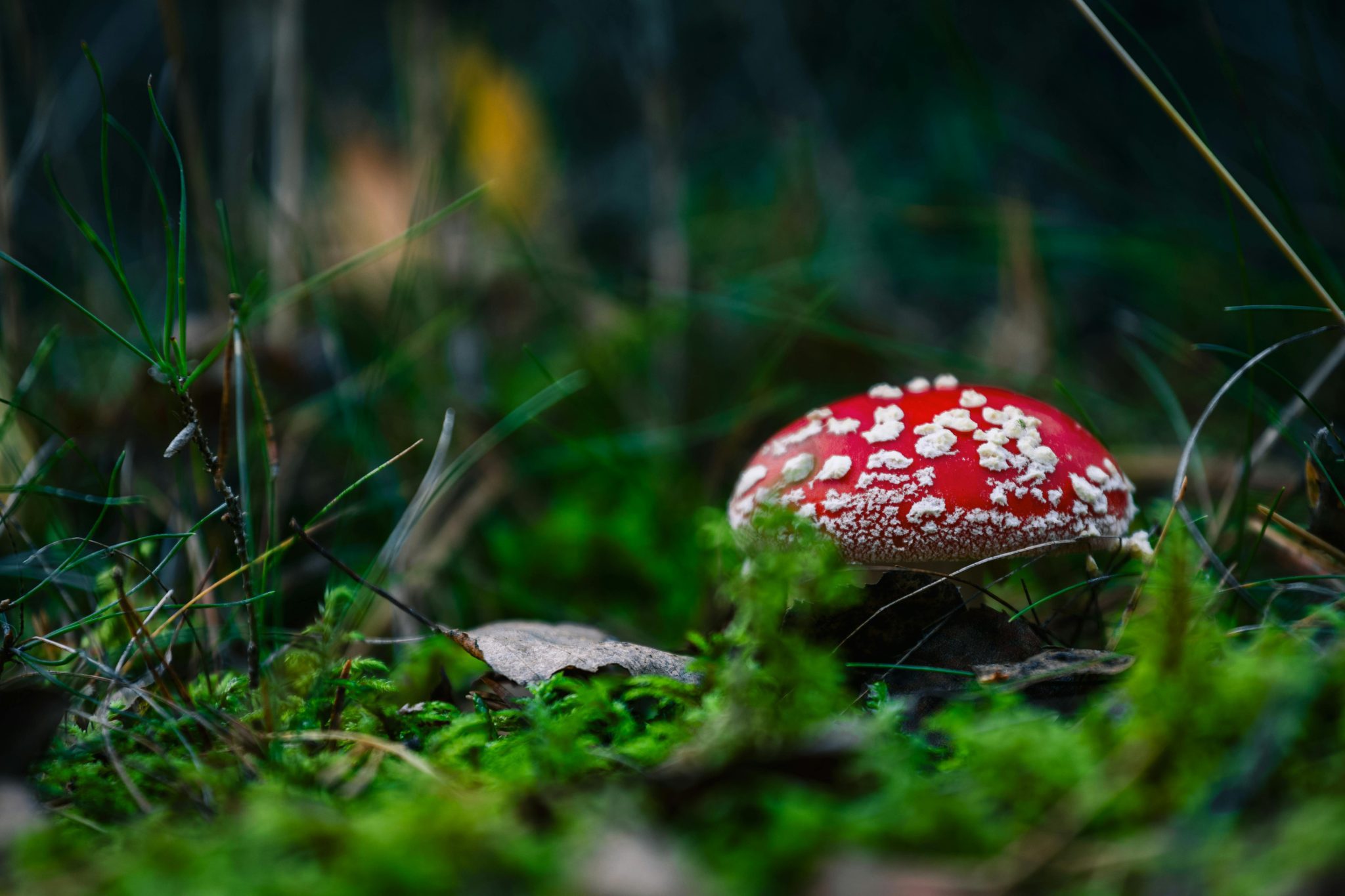
Mushroom spores hold incredible potential for research and microscopy studies. Identifying the right spores is crucial for accurate observation, clear imaging, and successful experiments. High-quality spores offer better germination results, less contamination risk, and precise characteristics for taxonomic studies. Understanding the factors that distinguish top-tier spores can save time, money, and frustration for enthusiasts and researchers alike.
For those wondering where to buy mushroom spores, careful selection is essential. Choosing reputable sources ensures the spores are authentic, fresh, and handled under sterile conditions. This early consideration prevents contamination and guarantees better results for scientific observations.
Examine Spore Appearance
The visual characteristics of spores can indicate quality. Premium spores usually have a uniform size, consistent color, and intact structure. Look for smooth surfaces without signs of damage or discoloration.
- Observe the spores under a microscope for consistency.
- Check for unusual shapes or clumping, which may suggest poor handling.
- Compare the spores with documented images of the species for reference.
The color of the spores can also reveal information about their maturity and storage. For example, darkening or fading may indicate aging or improper conditions. Paying attention to these details can prevent wasting time on subpar specimens.
Verify Spore Purity
Purity matters in microscopy and taxonomic studies. Contaminated spores can compromise experiments and lead to inaccurate observations. Reliable spores should be free from bacteria, mold, or other fungal fragments.
- Request evidence of laboratory testing for contamination.
- Ensure the spores were handled using sterile tools and containers.
- Avoid sources that sell bulk spores without quality checks.
Spores from reputable suppliers usually include purity certificates or clear assurances of testing. A small investment in pure spores can result in cleaner and more precise microscopy results.
Research the Supplier
Knowing where to buy mushroom spores can make all the difference in obtaining premium specimens. Research the supplier’s reputation, history, and customer feedback. Established suppliers often provide detailed descriptions, microscopic images, and guidance for safe handling.
- Seek reviews from other microscopy enthusiasts.
- Confirm the supplier specializes in scientific or educational use, not culinary purposes.
- Ensure transparency in species identification and spore collection methods.
Reliable suppliers understand the needs of microscopy and taxonomy enthusiasts. Transparency in operations and thorough documentation reduces the risk of purchasing low-quality spores.
Test Spore Viability
Viability testing ensures that spores will perform as expected. Before committing to large purchases, perform small-scale trials. This step verifies germination potential and confirms the absence of contamination.
- Prepare a sterile medium to check germination.
- Monitor growth patterns and spore activity under a microscope.
- Keep detailed notes to compare results with expected outcomes.
Testing small samples helps prevent disappointment and provides valuable insight into the overall quality of the spores. This practice is essential for scientific accuracy and experimental reliability.
Compare Species and Strains
Premium spores vary by species and strain. Each type exhibits unique growth patterns, spore sizes, and microscopic features. Compare multiple options to determine which suits your study needs.
- Look for detailed strain descriptions from the supplier.
- Examine spore prints or slides when available.
- Consider historical research data to guide selection.
Understanding the subtle differences between strains ensures that the spores purchased will provide the best results for specific microscopy and taxonomic objectives.
Before completing a purchase, evaluate all aspects of spore quality. Packaging, origin, appearance, purity, and supplier credibility should meet high standards. Choosing high-quality spores requires diligence. For those unsure of sources, researching where to buy mushroom spores can lead to trustworthy suppliers with proven records. Trusted vendors often provide detailed guidance on handling, storage, and species identification. Selecting spores from reputable suppliers ensures experiments proceed smoothly and results remain accurate.