Image by CommsEditors101 from Pixabay
When it comes to planning for long-term health and wellness, one crucial aspect that often gets overlooked is vision. Your eyes are not just the windows to your soul but also significant indicators of your overall health.
Incorporating regular eye check-ups as part of your financial and healthcare planning can be as essential as monitoring your blood pressure or cholesterol levels.
By understanding the significance of vision in longevity planning, which emphasizes a holistic approach to a long and healthy life, you can take proactive steps to safeguard this precious asset.
Vision as a Predictor of Systemic Health
Eye health offers more than a measure of visual clarity; it provides insight into your entire body’s condition. Routine eye exams can reveal early signs of systemic diseases such as diabetes, hypertension, and cardiovascular issues. In some cases, changes in the blood vessels of the retina can even indicate early neurological conditions like Alzheimer’s.
Because the eye is the only place in the body where blood vessels and nerves can be viewed directly, eye doctors are often the first to detect health problems that might otherwise go unnoticed.
Prioritizing comprehensive eye screenings can therefore serve as an early warning system for broader health risks, allowing for timely intervention that can influence both longevity and quality of life.
Maintaining Vision Health for Longevity
Preserving good vision health involves more than just getting a new pair of glasses when your vision blurs. It’s about taking proactive measures to protect your eyes from age-related conditions like macular degeneration, cataracts, and glaucoma.
Regular eye exams can help detect early signs of these conditions, allowing for timely interventions that can significantly impact your long-term vision health.
Moreover, understanding your family history can play a key role in managing risk. For example, individuals with a family background of glaucoma or diabetic retinopathy should schedule more frequent screenings.
These small steps create a foundation for healthy aging and can help maintain independence and vitality well into later years.
Innovations in Eye Care Technology
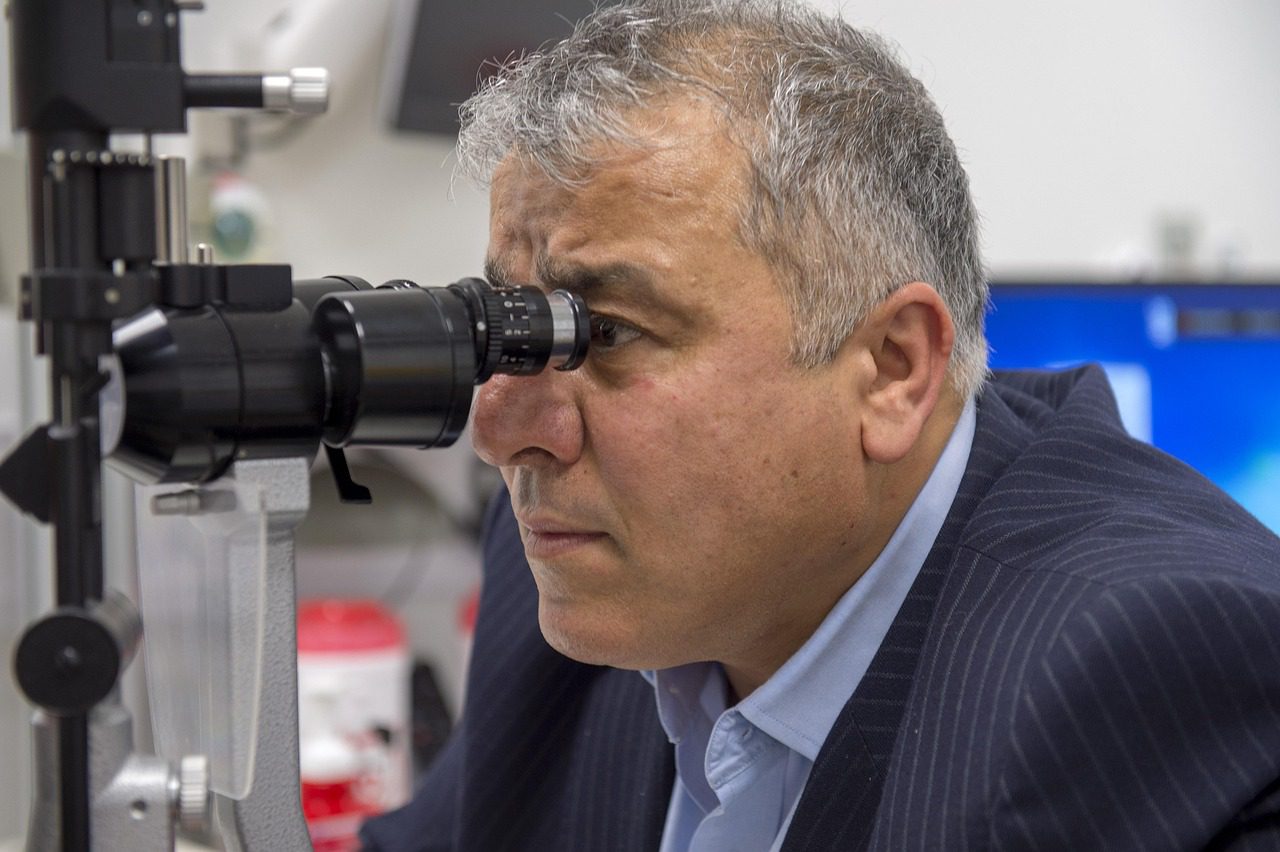
Advancements in medical imaging have transformed the way eye health is monitored and maintained. Among the most transformative innovations are OCT machines for eye care professionals, which use light waves to capture detailed, cross-sectional images of the retina.
This technology enables clinicians to detect minute retinal changes long before symptoms become apparent, improving outcomes for conditions such as glaucoma and macular degeneration.
Today, many clinics are also integrating artificial intelligence into diagnostic processes. AI algorithms can analyze thousands of retinal scans in seconds, identifying subtle indicators of disease that may be invisible to the human eye.
This convergence of AI and optical imaging represents the future of personalized medicine, where prevention and precision go hand in hand.
The Financial and Lifestyle Impact of Vision Health
Beyond health implications, vision plays a surprisingly large role in personal finance and lifestyle planning. The economic cost of vision impairment worldwide reaches into the hundreds of billions, but on an individual level, poor vision can limit earning potential, shorten careers, and erode independence.
For professionals and entrepreneurs, maintaining a strong vision directly supports productivity, decision-making, and the ability to engage fully with both work and personal life.
Investing in preventive eye care can therefore be viewed as a form of “human capital preservation.” Just as you might invest in retirement accounts or insurance to secure your future, regular vision care helps protect the quality of life and autonomy those investments are meant to sustain.
Maintaining good eyesight ensures that you can continue pursuing opportunities, experiences, and connections that enrich both wealth and well-being.
Embracing Preventive Eye Care Practices
Preventive eye care goes beyond treating existing vision problems it focuses on preserving your vision for the future. Simple habits like wearing UV-protective sunglasses, maintaining a healthy diet rich in eye-friendly nutrients, and giving your eyes regular breaks from screen time can all contribute to keeping your vision sharp and healthy as you age.
Nutrition plays a particularly powerful role. Foods high in antioxidants, lutein, zeaxanthin, and omega-3 fatty acids, such as leafy greens, citrus fruits, and oily fish, support retinal function and reduce the risk of degeneration.
Likewise, staying hydrated and using the 20-20-20 rule (looking 20 feet away for 20 seconds every 20 minutes of screen use) can help prevent eye strain in today’s digital-heavy world.
Adults over 40 should also consider annual comprehensive eye exams to catch early signs of glaucoma or macular changes, while those with higher risk factors may benefit from more frequent visits.
The Link Between Vision and Overall Well-Being
Vision is not just about seeing clearly; it’s also intricately linked to your overall well-being. Poor vision can impact your quality of life, leading to issues like social isolation, reduced mobility, and even cognitive decline.
Studies have shown that individuals with untreated vision loss are more likely to experience depression and memory challenges, conditions that can accelerate aging.
By prioritizing your vision health as a vital sign of your longevity plan, you are investing in a future where you can continue to enjoy life to the fullest, fostering a comprehensive approach to health that aligns with the principles of holistic well-being.
Eye Care as a Cornerstone of Holistic Health
As you embark on your journey toward holistic health and well-being, don’t overlook the importance of eye care. Integrating regular eye check-ups, adopting preventive practices, and staying informed about technological innovations in eye care can all play a pivotal role in enhancing your overall quality of life.
Clear vision is more than a sensory benefit; it’s a cornerstone of independence, confidence, and longevity. As we redefine what it means to live longer, healthier lives, treating vision as a vital sign may be one of the most valuable investments you can make in your future.