Ever wondered who’s really running the show in a hospital? Sure, doctors diagnose and surgeons operate. But who’s keeping the gears turning behind the scenes? More and more, the answer is nurses. And not just on the clinical side.
Nurses have long been the calm in the storm—handling emergencies, managing patient care, and holding it all together during long shifts. But lately, they’re stepping into roles that go far beyond the bedside. From boardrooms to policy meetings, nurses are helping shape how healthcare works, how it’s funded, and how it serves communities.
It’s not just a shift in job titles. It’s a shift in mindset. The industry is starting to realize that the people who understand patients best are the ones who’ve been caring for them all along. And when those people combine clinical insight with leadership skills, they become a force for real, lasting change.
In this blog, we will share how nurses are redefining leadership, why their influence is growing fast, and what this means for the future of healthcare systems everywhere.
From the Bedside to the Strategy Table
The COVID-19 pandemic exposed a lot. Staff shortages. Burnout. Fragile supply chains. But it also spotlighted something else: the value of nurses who know how to lead. In hospitals across the country, nurses stepped in to coordinate emergency responses, manage resources, and keep operations steady. Not because they had to. Because they could.
Now, more nurses are making those leadership roles official. They’re taking on titles like Chief Nursing Officer, Nursing Director, and even CEO. They’re helping design better staffing models, advocate for safer working conditions, and lead conversations about equity and access. And yes, they’re earning more for that responsibility too. According to recent data, nursing MBA salary ranges are rising, especially for roles that blend clinical knowledge with business strategy. These salaries reflect more than years of experience. They show that healthcare systems are finally recognizing the value of nurses who can do it all—and do it well.
But money is only one part of the story. What really matters is what these nurses bring to the table: real-world understanding of how policies play out on the floor. Insight into what patients need, and what staff need to give it. That kind of leadership doesn’t just improve outcomes. It changes the way care is delivered altogether.
Not Just Problem Solvers—System Shapers
Nurses are trained to spot patterns. They notice when patients start reacting differently to medication. They catch errors before they happen. They adjust, adapt, and respond in real time. That same mindset makes them powerful leaders.
Take hospital readmission rates. These are often tied to poor discharge planning or lack of follow-up care. Nurses in leadership roles are helping create better transitions by designing patient education systems, building partnerships with community clinics, and tracking outcomes after patients leave the hospital. It’s not flashy work. But it prevents complications and saves lives.
And it’s not just happening in hospitals. Nurses are now taking leadership roles in public health, corporate healthcare, nonprofits, and policy groups. They’re leading rural health initiatives. Guiding telehealth expansion. Running data projects to improve care in underserved communities.
They aren’t just solving day-to-day problems. They’re shaping entire systems.
Why the Industry Needs Nurses in Leadership More Than Ever
Healthcare is in a pressure cooker. Costs are rising. Trust is shrinking. The workforce is stretched thin. People want care that’s not only efficient, but human. That’s exactly where nurses thrive.
What makes nurse leaders so effective is that they’ve lived every part of the care experience. They know what it’s like to juggle 10 patients during a night shift. To hold a hand in a crisis. To see where policies fail before they’re even printed.
That kind of perspective leads to smarter decisions. Nurse leaders often advocate for solutions that improve workflow, reduce burnout, and increase safety—because they’ve felt the impact of broken systems firsthand. They aren’t guessing what works. They know.
And as more health organizations move toward value-based care—where outcomes matter more than volume—having nurses in charge becomes not just helpful, but essential.
Representation Isn’t Optional Anymore
Diversity in leadership is a hot topic in every industry. In healthcare, it’s vital. Patients come from all backgrounds. Leaders should too.
Nurses represent the most diverse part of the healthcare workforce. They speak dozens of languages. They come from communities that have long been overlooked. And when those voices reach the top, it changes what priorities get funded. Which programs get launched. How care is delivered.
More nurses in leadership means better cultural competency. It means more inclusive hiring and training. And it means systems that reflect the people they’re meant to serve.
The Future Is Collaborative, Not Hierarchical
Traditional healthcare leadership often followed a rigid, top-down structure. Decisions made in offices, far from the action. That model is fading fast.
Modern healthcare needs collaboration. Interdisciplinary teams. Shared decision-making. Leaders who listen as much as they direct. Nurse leaders thrive in that space because it’s how they’ve always worked. They coordinate with doctors, techs, aides, families, pharmacists, and social workers. They understand how to manage teams without steamrolling them.
That’s the kind of leadership healthcare needs right now. Not someone who controls every decision, but someone who knows how to bring the right people into the room.
What This Means for You—Whether You’re a Nurse or Not
If you’re a nurse wondering what’s next, this is your moment. The demand for clinical leadership is growing. And you don’t have to leave patient care behind. You can lead while still being the kind of nurse your patients remember.
If you’re a patient, a family member, or just someone who cares about how healthcare works, this shift benefits you too. Nurse leaders create environments that are safer, more responsive, and more respectful. They make care feel less like a system and more like a service.
And if you’re someone building a healthcare team or policy? It’s time to stop thinking of nurses as supporting cast. They’re ready to direct the next act.
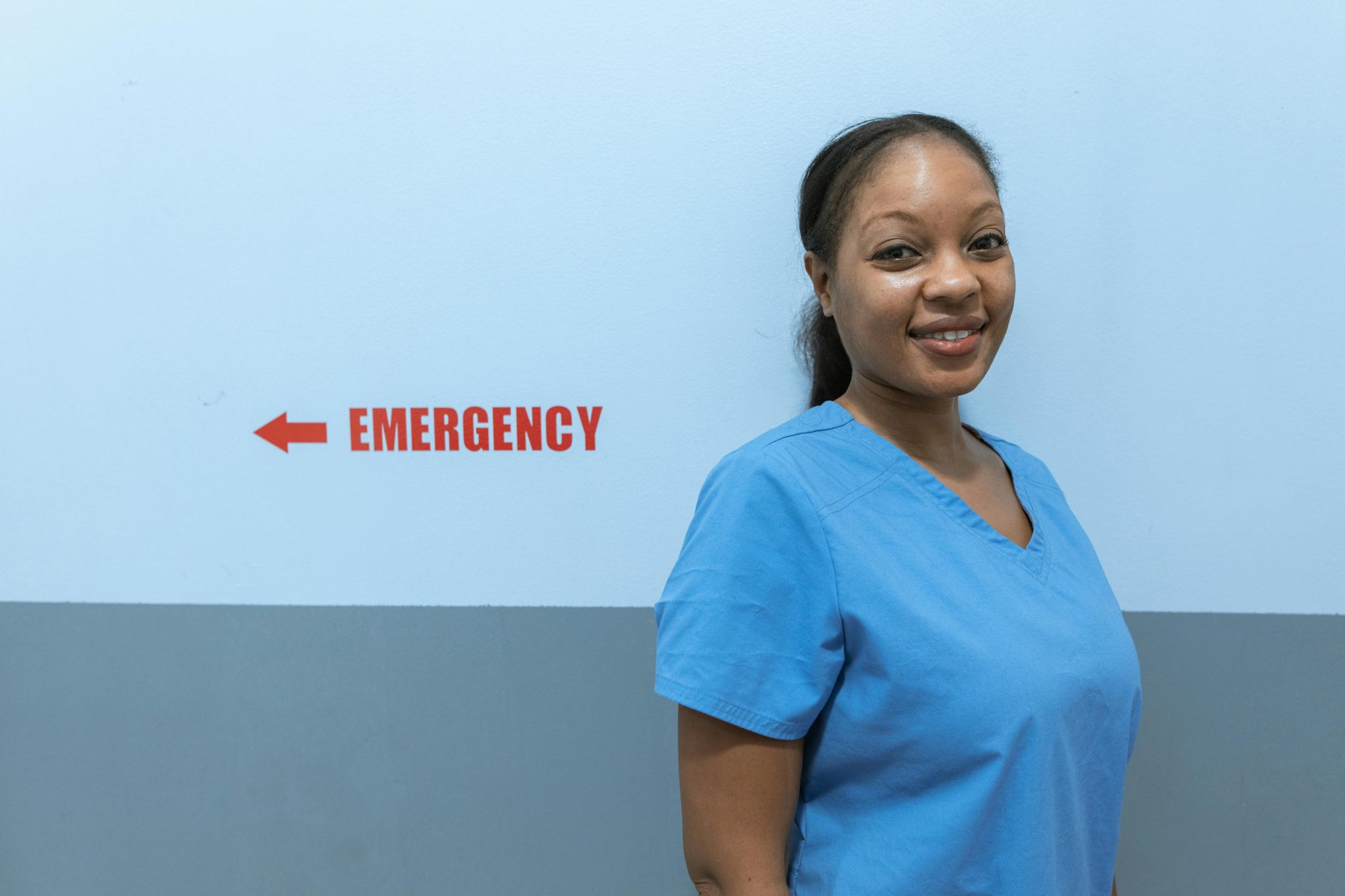
The future of healthcare leadership isn’t coming. It’s already here. And more often than not, it’s wearing scrubs.