Summer brings longer days, warm weather, and increased energy demands. Air conditioning keeps indoor spaces cool, but running it constantly can lead to high utility bills and unnecessary wear on the system. By combining smart habits, practical upgrades, and strategic planning, homeowners can maintain comfortable indoor temperatures without overburdening their AC units. A thoughtful approach keeps energy costs manageable and extends the lifespan of essential cooling equipment.
Improving Insulation and Sealing Air Leaks
One of the most effective ways to reduce air conditioning use is by preventing cool air from escaping and hot air from entering. Proper insulation and air sealing keep temperatures stable, reducing how often the AC has to run. Attics, basements, and crawl spaces are common sources of heat infiltration, and improving insulation in these areas makes a noticeable difference in comfort and energy efficiency.
Sealing gaps around windows, doors, and vents prevents conditioned air from leaking out. Weatherstripping, caulking, and foam sealants provide affordable solutions that improve temperature regulation throughout the home. A well-sealed building envelope minimizes strain on cooling systems and keeps rooms cooler for longer periods.
Upgrading Windows for Better Temperature Control
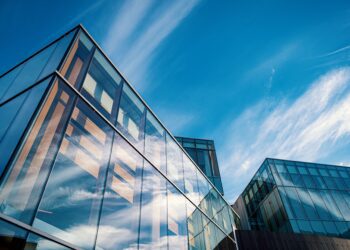
Windows play a major role in indoor temperature regulation. Older or poorly sealed models allow heat to enter, forcing air conditioners to work harder. Upgrading to energy-efficient new windows can significantly reduce unwanted heat gain during hot months. Modern designs often feature double or triple panes, low-emissivity coatings, and improved frames that block heat transfer more effectively.
Strategic placement and shading further enhance performance. Installing reflective films, using insulated curtains, or adding exterior awnings can reduce solar heat entering through glass surfaces. These improvements maintain cooler indoor temperatures naturally, making it easier for air conditioning systems to operate efficiently.
Using Fans Strategically for Air Circulation
Fans consume less energy than air conditioners and can complement cooling systems effectively. Ceiling fans create a wind-chill effect that makes rooms feel cooler, allowing thermostats to be set a few degrees higher without sacrificing comfort. Portable fans can target specific areas where extra airflow is needed, reducing reliance on central systems.
It’s important to set ceiling fans to rotate counterclockwise during summer to push cool air downward. Exhaust fans in kitchens and bathrooms help remove warm, humid air that contributes to discomfort. By optimizing fan use, homeowners create consistent airflow that supports the AC system instead of replacing it entirely.
Maximizing Natural Ventilation During Cooler Hours
Early mornings and evenings often bring cooler outdoor temperatures, creating opportunities for natural ventilation. Opening windows strategically allows fresh air to flow through the home, flushing out built-up heat and reducing the need for air conditioning. Cross-ventilation works best when windows on opposite sides of the home are open, allowing air to move freely.
Installing vented skylights or attic fans can further enhance this effect by releasing trapped hot air. Natural ventilation works well in climates with cooler nights, helping maintain comfortable indoor temperatures without relying solely on mechanical cooling.
Reducing Indoor Heat Sources
Many household activities generate heat, adding to the cooling load inside the home. Cooking, laundry, and running electronics can all raise temperatures during peak afternoon hours. Shifting these activities to early morning or late evening minimizes their impact on indoor comfort.
Using energy-efficient appliances that produce less heat and turning off devices when not in use reduces unnecessary heat buildup. Cooking outdoors or using smaller appliances like toaster ovens instead of full-sized ovens can help keep kitchens cooler. Even small adjustments in daily routines can reduce internal heat sources significantly.
Incorporating Smart Thermostats for Efficiency
Smart thermostats offer precise control over indoor temperatures, adjusting cooling output based on occupancy patterns and time of day. Programming the thermostat to increase temperatures slightly when no one is home and cool down shortly before returning saves energy without sacrificing comfort. Many models can be controlled remotely through mobile apps, allowing users to make real-time adjustments.
Advanced smart thermostats use learning algorithms to optimize cooling schedules automatically. By analyzing usage patterns, these systems find ways to maintain comfort while minimizing energy consumption. These small efficiencies add up to noticeable savings on utility bills.
Shading Outdoor Spaces and Exteriors
Outdoor shading reduces heat absorbed by the building, keeping indoor spaces cooler. Planting trees or installing pergolas, shade sails, or exterior blinds blocks direct sunlight from heating walls and windows. Well-placed landscaping provides cooling benefits and enhances curb appeal.
Exterior shading is effective for south- and west-facing windows, which receive the most intense sunlight during the day. By intercepting heat before it reaches the building, shading reduces indoor temperature spikes and lessens the demand on air conditioning systems.
Maintaining and Cleaning Cooling Equipment
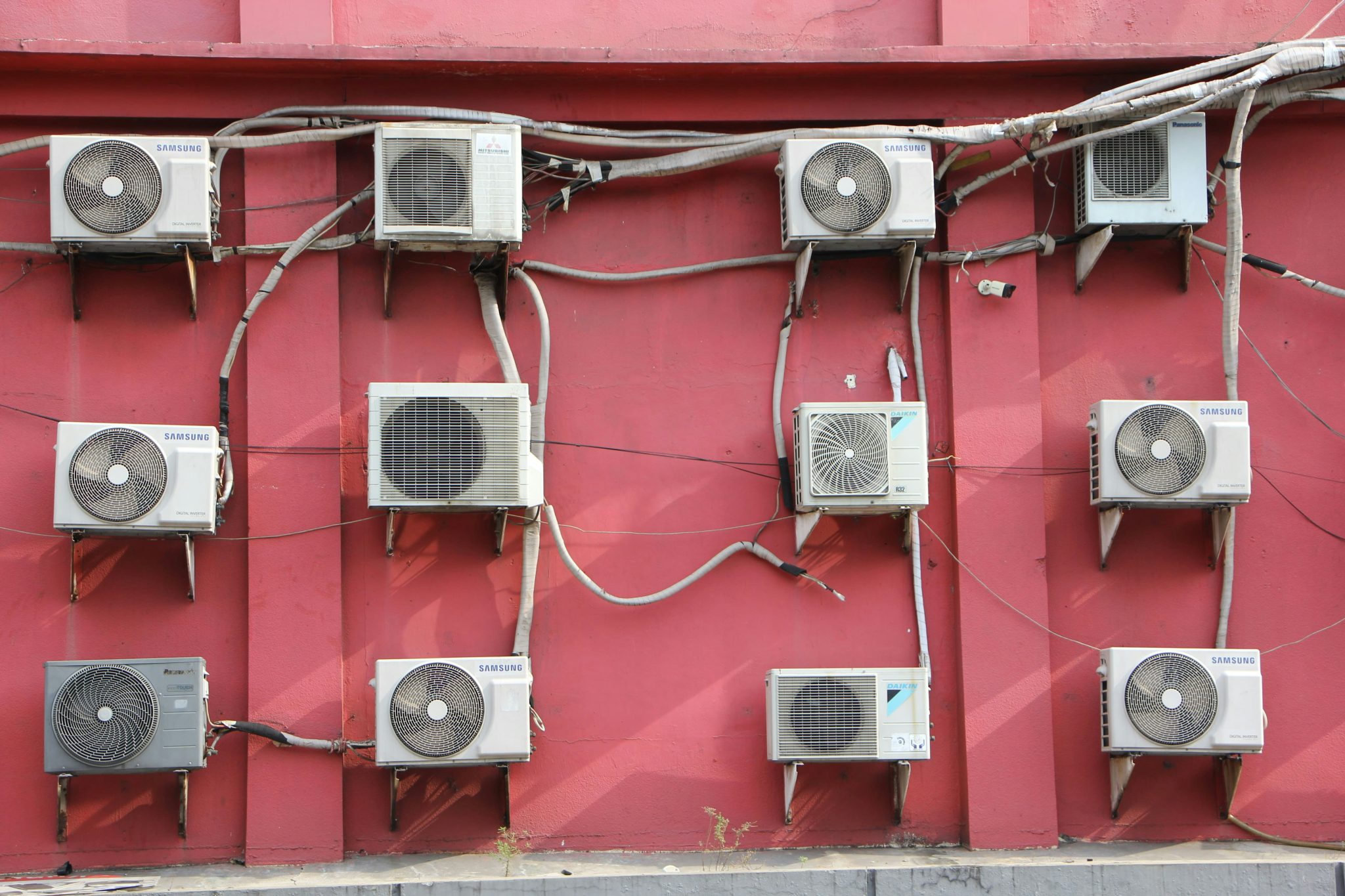
A well-maintained air conditioner operates more efficiently, consuming less energy while delivering better cooling performance. Replacing air filters regularly ensures proper airflow, while cleaning condenser coils improves heat exchange. Scheduling professional inspections before peak summer months helps identify issues early, preventing breakdowns during periods of high demand.
A professional inspection usually covers refrigerant levels, electrical connections, and the drain line, all of which are hard to check without the right tools. Homeowners who want that work handled before summer often book a visit through Sunny Bliss Plumbing & Air, which provides same-day service at flat-rate pricing. Catching a low refrigerant charge early matters because running a system on insufficient refrigerant strains the compressor, one of the most expensive parts to replace.
Proper maintenance extends the life of the system and keeps energy bills predictable. Neglecting routine upkeep can cause clogged filters, reduced efficiency, and mechanical strain, all of which lead to higher costs and potential repairs.
Optimizing Interior Layout for Better Airflow
Furniture placement and interior design can influence how air circulates within a space. Blocking vents or placing large furniture pieces directly in the path of airflow disrupts circulation, making rooms feel warmer. Rearranging furniture to keep vents clear allows cool air to flow freely and evenly throughout the home.
Interior doors left partially open enable air to move between rooms, preventing stagnant pockets of warm air. Simple adjustments to the layout often lead to noticeable improvements in comfort without increasing energy use.
Leveraging Light-Colored Interiors and Reflective Surfaces
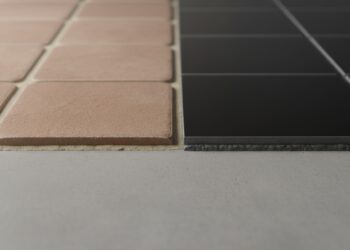
Interior color choices affect how much heat a home retains. Dark surfaces absorb more heat, while lighter colors reflect it, keeping spaces cooler. Using light-colored paint, flooring, and décor elements helps reduce indoor heat buildup during sunny days. Reflective window treatments and light-filtering shades contribute to maintaining comfortable temperatures.
These visual adjustments improve comfort and enhance the sense of brightness and openness in a room. Combined with other strategies, they make the indoor environment more resistant to heat without requiring additional energy.
Planning Long-Term Energy-Efficient Upgrades
While small adjustments provide immediate relief, long-term upgrades deliver lasting benefits. Adding insulation, improving ventilation, investing in energy-efficient appliances, or upgrading HVAC systems can drastically reduce cooling costs. Homeowners planning renovations can incorporate energy-efficient materials and designs that naturally regulate temperature.
These upgrades may involve higher initial costs but often lead to substantial savings. Energy-efficient improvements increase property value, lower monthly expenses, and make homes more comfortable during extreme weather conditions. Planning strategically ensures that cooling strategies remain effective for years to come.

Beating the summer heat doesn’t require running the air conditioner nonstop. By improving insulation, upgrading windows, using fans strategically, and reducing indoor heat sources, homeowners can maintain cooler spaces efficiently. Combining short-term adjustments with long-term energy improvements keeps homes comfortable, lowers utility bills, and preserves the performance of cooling systems for the future.