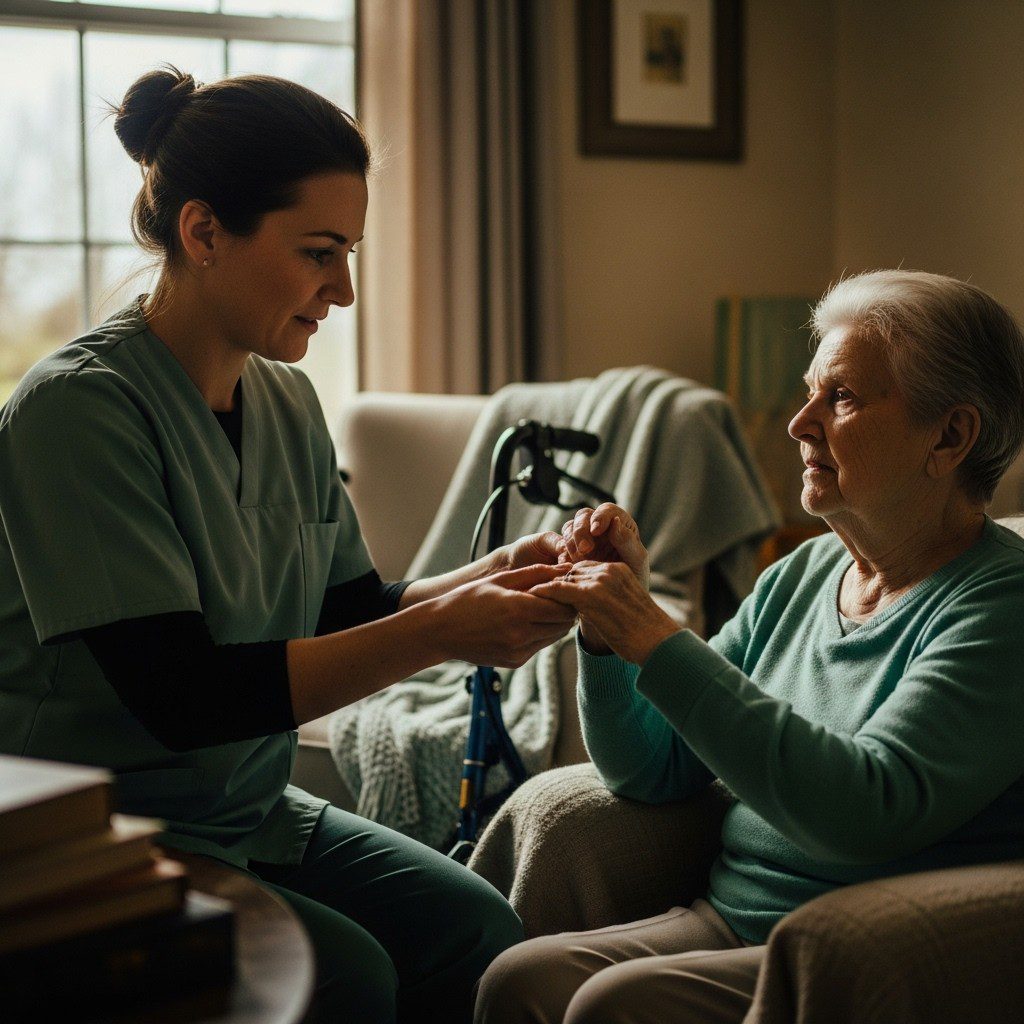
Overview of In-Home Health Services
In-home care offers medical and non-medical assistance to individuals who prefer to receive support in the comfort of their residence. These services can range from skilled nursing and physical therapy to help with daily activities such as bathing, meal preparation, and mobility assistance. They are often tailored to meet the needs of seniors, people recovering from surgery, or those managing chronic illnesses.
This type of care allows individuals to remain in a familiar environment, supporting independence while ensuring safety and well-being. Resources like 1stmeridiancareservices.com provide general information about care options, helping families understand available support and make informed choices. Whether short-term or ongoing, in-home assistance can adapt to changing needs while respecting personal routines and preferences.
Personal Care Services
Personal care services assist with daily tasks, such as bathing, grooming, dressing, and meal preparation, between independent living and medical support. Although they are not medical professionals, these trained caregivers provide trustworthy and compassionate support, fostering well-being, self-esteem, and health. They also help maintain social connections and reduce stress for families.
Skilled Nursing Care
Skilled nursing care, administered by licensed nurses, is a valuable solution for patients requiring professional medical attention at home. It addresses complex health needs like medication administration, chronic disease monitoring, wound care, and post-surgical recovery.
Therapy Services at Home
In-home therapy offers personalized, convenient, and consistent rehabilitation services for clients recovering from stroke, injury, or surgery. Therapists assess homes for safety improvements, recommend adaptive equipment, and design exercises, working with family caregivers to accelerate healing and foster independence.
Choosing the Right Service
Selecting the exemplary in-home health service involves evaluating a loved one’s needs, involving healthcare professionals, and prioritizing open communication. Transparency and shared decision-making ensure services remain person-centered and responsive to changing situations.
Key Benefits of In-Home Care
- Promotes independence and comfort
- Reduces risk of hospital readmission
- Offers flexible scheduling around the client’s life
- Supports emotional well-being by keeping clients close to loved ones
Staying at home maintains independence and emotional bonds, boosting overall well-being. Many families choose in-home health options for these clear health and emotional advantages.
Making an Informed Decision
Finding and customizing an in-home health care plan is a journey that often starts with research, assessment, and honest conversations. By exploring all options and leveraging reputable resources, families position themselves to select an organization and a style of care that aligns with their loved one’s unique health status and values. When the decision is grounded in accurate information and empathy, home care can powerfully support dignity, comfort, and quality of life where it matters most.