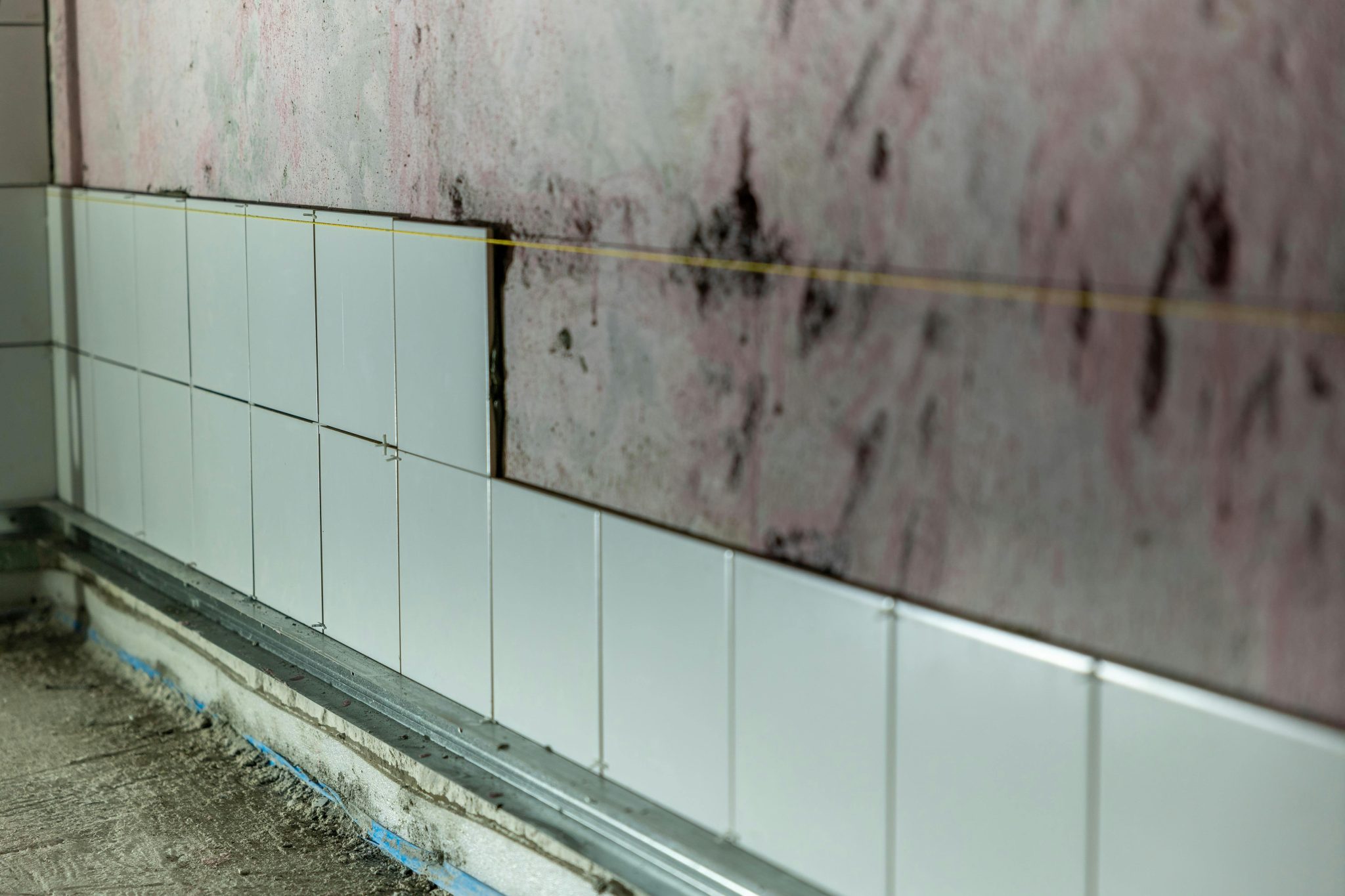
You move into a new apartment, and everything feels fresh—until you notice a dark patch spreading across the bathroom ceiling. At first, you shrug it off. But then comes the musty smell, the constant sneezing, and that nagging feeling in the back of your mind: Is this mold, and should I be worried?
Mold in apartments isn’t just an ugly stain. It’s a common problem with real health risks, especially if you’re renting an older building or living in a humid area. Knowing how to recognize mold—and what you can actually do about it—can save you a lot of stress, money, and even keep you healthier.
What Mold Really Is
Mold is a type of fungus that thrives in damp, poorly ventilated spaces. Think bathrooms, kitchens, and basements. While not every type of mold is dangerous, prolonged exposure can cause problems. The infamous “black mold” (Stachybotrys chartarum) is the one most people fear because of its potential impact on health.
Mold reproduces through tiny spores that float in the air. You can’t always see them, but if the environment is right—warm, wet, and humid—they spread fast. That’s why ignoring that small patch on your wall is rarely a good idea.
Why Mold in Apartments Is a Big Deal
Here’s the thing: mold isn’t just gross, it’s unhealthy.
According to the Centers for Disease Control and Prevention (CDC), mold exposure can cause symptoms ranging from a stuffy nose and itchy eyes to asthma flare-ups and respiratory infections (CDC). For people with allergies or weakened immune systems, the risks are higher.
In an apartment setting, mold is especially tricky because:
- Leaks from upstairs neighbors can spread into your walls.
- Old windows and poor ventilation trap moisture.
- You don’t always have full control over building maintenance.
Spotting Mold: Signs You Shouldn’t Ignore
Sometimes mold is obvious—dark spots creeping up a wall. Other times, the signs are subtle. Here’s a simple comparison:
| Normal | Concerning |
| Small patch in bathroom corner after a shower | Spreading stains that keep coming back even after cleaning |
| Slight musty smell in a closed closet | Strong odor you can’t get rid of |
| Seasonal sniffles | Worsening allergies or breathing problems at home |
If you’re noticing the “concerning” column more than the “normal” one, you’re probably dealing with more than just a cleaning issue.
What You Can Actually Do About It
Not all mold requires panic—or an expensive solution. Here’s a practical breakdown:
For small mold patches (like shower tiles or window frames):
- Wear gloves and a mask (yes, even for small areas—spores spread easily).
- Clean the surface with a mix of water and detergent.
- Dry the area thoroughly so the mold doesn’t return.
When it’s time to call for help:
- The mold covers an area larger than about 10 square feet.
- It keeps coming back after cleaning.
- It’s on walls, ceilings, or areas you can’t safely reach.
In those cases, contact your landlord first—it’s usually their responsibility to handle structural issues. If they ignore it, you may need professional help. Services like TACT Detroit specialize in safe mold removal and can handle situations too risky to manage on your own.
Living Smart: How to Prevent Mold in Apartments
The best way to fight mold is to stop it before it starts. Some simple steps:
- Keep airflow moving: open windows, run fans, or use the bathroom vent.
- Use a dehumidifier: especially in basements or humid climates.
- Clean regularly: wipe down damp areas like sinks and shower walls.
- Report leaks immediately: the longer water sits, the more mold grows.
Of course, prevention has limits. If your building is poorly maintained or structurally prone to leaks, there’s only so much you can do. That’s why staying aware and proactive is key.
Conclusion
Finding mold in your apartment can feel overwhelming, but it doesn’t have to control your life. Small spots are manageable with the right precautions, and bigger issues can be solved with the right help. What matters is recognizing the signs, protecting your health, and taking action early.
At the end of the day, looking after your living space isn’t just about keeping things clean—it’s about keeping yourself healthy. And that’s worth a little extra effort.