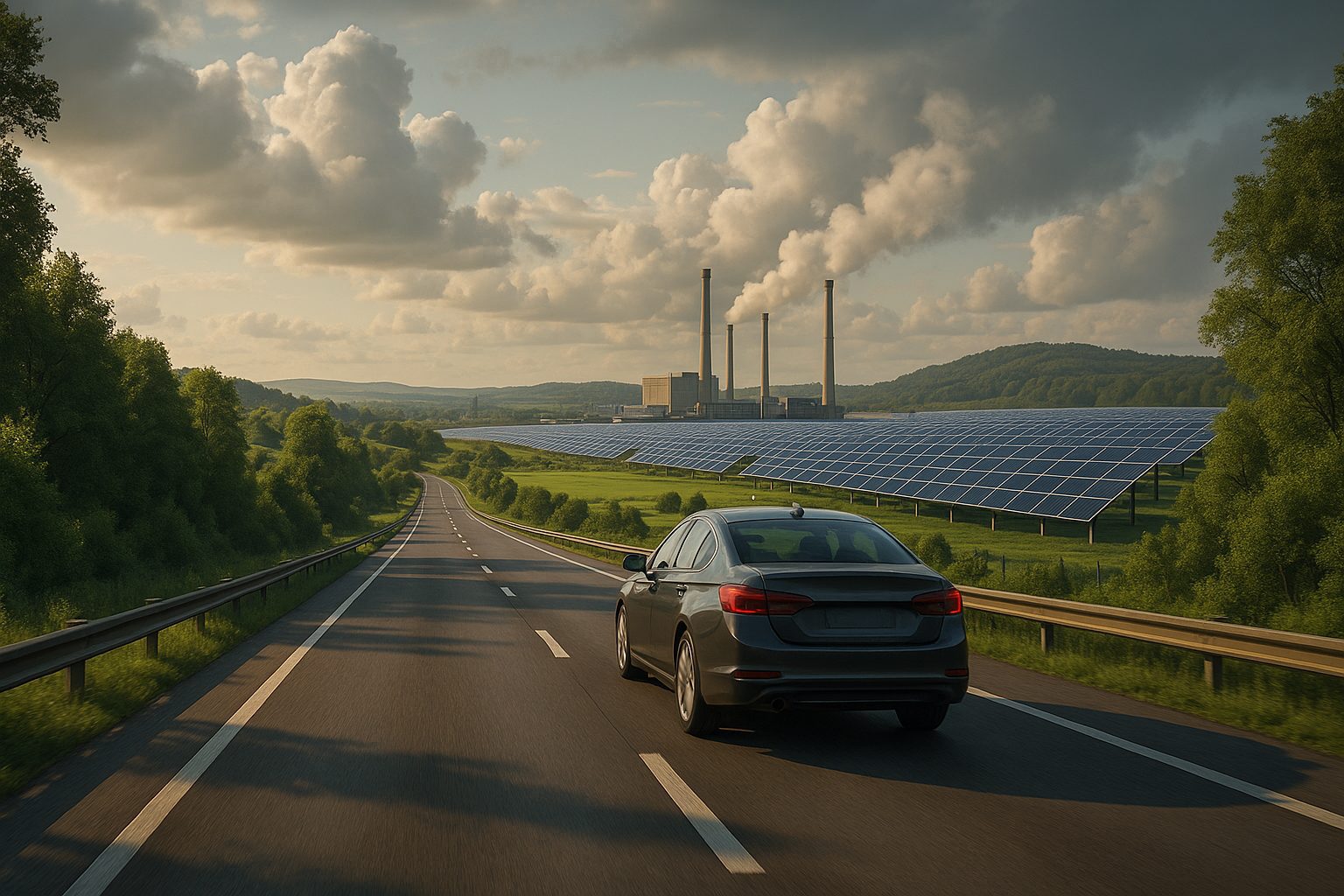
Sustainable tires in 2025 are reshaping how we drive by focusing on eco-friendly materials, energy efficiency, and longer lifespans. Tire buyers now have greener options without sacrificing performance.
Why Sustainability Matters in Tire Buying Today
For decades, tires were seen only as black rubber rings that connected cars to the road. What many overlooked was the massive environmental impact involved in their production, use, and disposal. Every stage of a tire’s life contributes to emissions, energy consumption, and waste.
Today’s tire buyers are becoming more conscious. With climate concerns rising and electric vehicles (EVs) gaining traction, sustainability is no longer a nice-to-have feature—it’s an essential factor in purchasing decisions. The question most buyers now ask is simple: How can my tire choice reduce waste, save energy, and improve performance at the same time?
- The Shift Toward Eco-Friendly Materials
In 2025, tire companies are putting a major focus on renewable and recycled resources to reduce reliance on petroleum-based rubber.
Key Developments in 2025
- Natural and synthetic blends: Manufacturers are sourcing more sustainable natural rubber from responsible plantations.
- Recycled content: Scrap tires and plastics are being repurposed into new compounds.
- Bio-based materials: Alternatives like soybean oil and dandelion rubber are becoming industry standards.
These innovations not only reduce environmental impact but also extend tire lifespans, meaning fewer replacements for buyers.
Takeaway for drivers: By choosing tires with bio-based and recycled content, you support a more circular economy while enjoying longer-lasting performance.
- EV-Ready Tires for the Growing Electric Market
As EV sales climb worldwide, traditional tires often fall short of handling their unique demands. Electric cars are heavier, accelerate faster, and need quieter rides—all while conserving battery power.
2025 EV Tire Innovations
- Low rolling resistance: Tires designed to minimize energy loss, boosting EV driving range.
- Noise-reduction technology: Special tread patterns and foam inserts that create a quieter cabin.
- Durability upgrades: Stronger sidewalls and compounds made to withstand the heavier weight of EV batteries.
Why this matters: For EV owners, the wrong tire can mean reduced range and faster wear. Sustainable EV-ready tires are designed to improve efficiency without sacrificing performance.
- The Net Zero Manufacturing Push
By 2025, more tire companies are targeting net zero emissions.
Examples of Change
- Solar-powered factories: Reducing reliance on fossil fuels.
- Energy-efficient curing: Modernized processes that use less heat.
- Carbon offset programs: Investments in reforestation and renewable energy.
Buyer insight: When comparing brands, look for those publishing transparent sustainability reports.
- Circular Economy and Tire Recycling
Disposal is one of the biggest environmental challenges in the tire industry.
2025 Recycling Breakthroughs
- Closed-loop recycling: Old tires reborn as raw material for new tires.
- Upcycling trends: Tires reused for construction and playgrounds.
- Government-backed recycling programs: Incentives for eco-conscious buyers.
Why it matters: Choosing brands with strong recycling commitments ensures your purchase supports a sustainable end-of-life process.
- Smart & AI-Driven Tire Design
Artificial intelligence is helping tire makers predict wear patterns and optimize designs.
2025 AI Innovations
- Predictive wear modeling: Extends tire lifespan.
- AI-enhanced tread patterns: Improves grip while reducing rolling resistance.
- Eco-driven testing simulations: Cuts down material waste during R&D.
Buyer impact: Expect smarter, more reliable tires built to last longer with fewer replacements.
- Government Policies Driving Change
Regulations are pushing tire manufacturers toward stricter sustainability standards.
- Eco-labeling: Tires now carry sustainability ratings.
- Emissions compliance: Factories must meet greener production standards.
- Extended Producer Responsibility (EPR): Brands held accountable for recycling and waste.
Tip for buyers: Watch for eco-labels and certifications before purchasing.
- Top Benefits of Choosing Sustainable Tires in 2025
Here’s why investing in sustainable tires makes sense:
- Lower fuel or EV energy costs through reduced rolling resistance.
- Longer tire life, meaning fewer replacements.
- Quieter, smoother rides with advanced compounds.
- Environmental responsibility—less waste and emissions.
- Future-ready investment as sustainability regulations tighten.
FAQ: 2025 Sustainable Tire Trends
Q1. Are sustainable tires more expensive than regular tires?
Not always. While some advanced eco tires cost more upfront, they usually save money over time through fuel efficiency and longer tread life.
Q2. Can sustainable tires perform as well as traditional ones?
Yes. Today’s eco-friendly tires balance performance with sustainability. Many are designed for EVs, SUVs, and trucks without compromising safety.
Q3. How do I know if a tire is eco-friendly?
Look for eco-labels, manufacturer sustainability reports, and product descriptions that highlight recycled or renewable materials.
Q4. Do sustainable tires last longer?
Often, yes. Advanced compounds and AI-driven design in 2025 are extending tire lifespans compared to older models.
Buyer’s Checklist: Choosing the Right Sustainable Tire
When shopping for tires in 2025, ask yourself:
- Does the tire use recycled or renewable materials?
- Is it EV-ready or optimized for fuel efficiency?
- Does the brand have a clear net zero or recycling policy?
- Are there third-party certifications or eco-labels?
- How does the price compare with long-term savings?
Conclusion & Call-to-Action
Sustainable tire trends in 2025 are no longer a niche—they’re mainstream. Buyers can now choose eco-friendly, EV-ready, and recyclable options that improve performance while protecting the planet.
If you’re upgrading tires this year, consider sustainability as a top factor. The right choice not only benefits your driving experience but also supports a greener future.