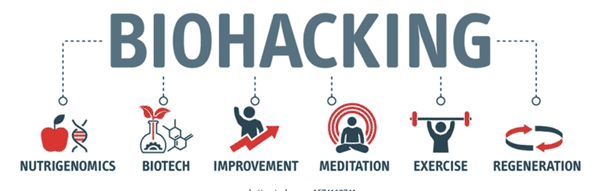
Overview of Biohacking
Have you ever had the feeling that some important parts are missing from the puzzle that is your body? Welcome to biohacking, an intriguing fusion of technology, science, and do-it-yourself health. The goal of biohacking is to take charge of your body in order to have the healthiest, most fulfilling life possible. Imagine improving your body in the same manner that you would optimize a computer, except with software in place of the computer. Are you prepared to jump right in? Let’s dissect everything.
Biohacking: What is it?
Fundamentally, biohacking is the process of enhancing your body’s functionality through science and self-experimentation. According to some, it involves “hacking” your biology through changes in diet, exercise, technology, and even your perspective. To be clear, however, biohacking does not include disobeying the law or taking short cuts. Rather, it’s about making deliberate, well-informed adjustments to perform at your best. Here are examples of biohacking and details of what biohacking means.
Biohacking has been around for a while. For example, ancient yogis may have been the first biohackers, experimenting with fasting and breathing methods to improve their bodies and brains. Thanks to Silicon Valley aficionados who combine cutting-edge technology with health practices, the phrase has become a buzzword today.

Common Methods of Biohacking
The Biohacking of Nutrition
Biohackers understand that food is fuel. Intermittent fasting and keto diets are examples of nutritional biohacking. To increase energy and attention, for instance, “bulletproof coffee”—a blend of coffee, butter, and MCT oil—is said to be consumed. Another popular strategy is to take vitamins like Omega-3s and magnesium supplements.
Optimizing Sleep
The best secret to good health is getting enough sleep. Biohackers use techniques like smart sleep monitors, blue-light-blocking eyewear, and blackout curtains to maximize sleep. Because, let’s face it, bad sleep patterns cannot be remedied by the greatest supplements, a regular nighttime regimen is also essential.
Wearable technology The practice of biohacking
For biohackers, wearables such as the Fitbit or Oura Ring have become indispensable. These gadgets monitor your heart rate, sleep habits, and level of exercise, providing you with useful information to improve your health. Some tech aficionados even go so far as to optimize the brain by implanting microchips or employing neurofeedback technologies.
How to Begin Using Biohacking
Before you start biohacking, consider your ultimate goal. Do you wish to increase your energy levels, reduce your body weight, or become more focused? Establishing specific targets will enable you to efficiently monitor your progress and adjust your strategy.
It doesn’t take expensive technology to get started. These biohacks are suitable for beginners:
- Begin an intermittent fasting regimen, such as the 16:8 approach.
- Replace sugary snacks with avocado or other healthy fats.
- Use free applications like Sleep Cycle to keep track of your sleep.
- Include meditation as a stress-reduction strategy.
In conclusion
Biohacking is a way of life for those who are dedicated to improving their health, not simply a fad. The objective is the same, whether it’s as basic as improving your diet or as sophisticated as utilizing wearable technology: controlling your biology. Why not give a few biohacks a try? You could discover a side of yourself you never knew existed.
FAQ
Does biohacking come with any risks?
Yes, particularly when using drastic or uncontrolled techniques. When experimenting with novel biohacks, always do your homework and seek advice from experts.
Is anyone able to attempt biohacking?
Of course! Biohacking includes anything from cutting-edge technology to basic advice like getting more sleep. Start with tried-and-true, safe techniques.
Which biohacks are the most effective for novices?
Start with mindfulness exercises, sleep optimization, and intermittent fasting.
Does science support biohacking?
Numerous techniques, such as cold treatment and intermittent fasting, have scientific backing. Nevertheless, certain experimental procedures are not supported by science.