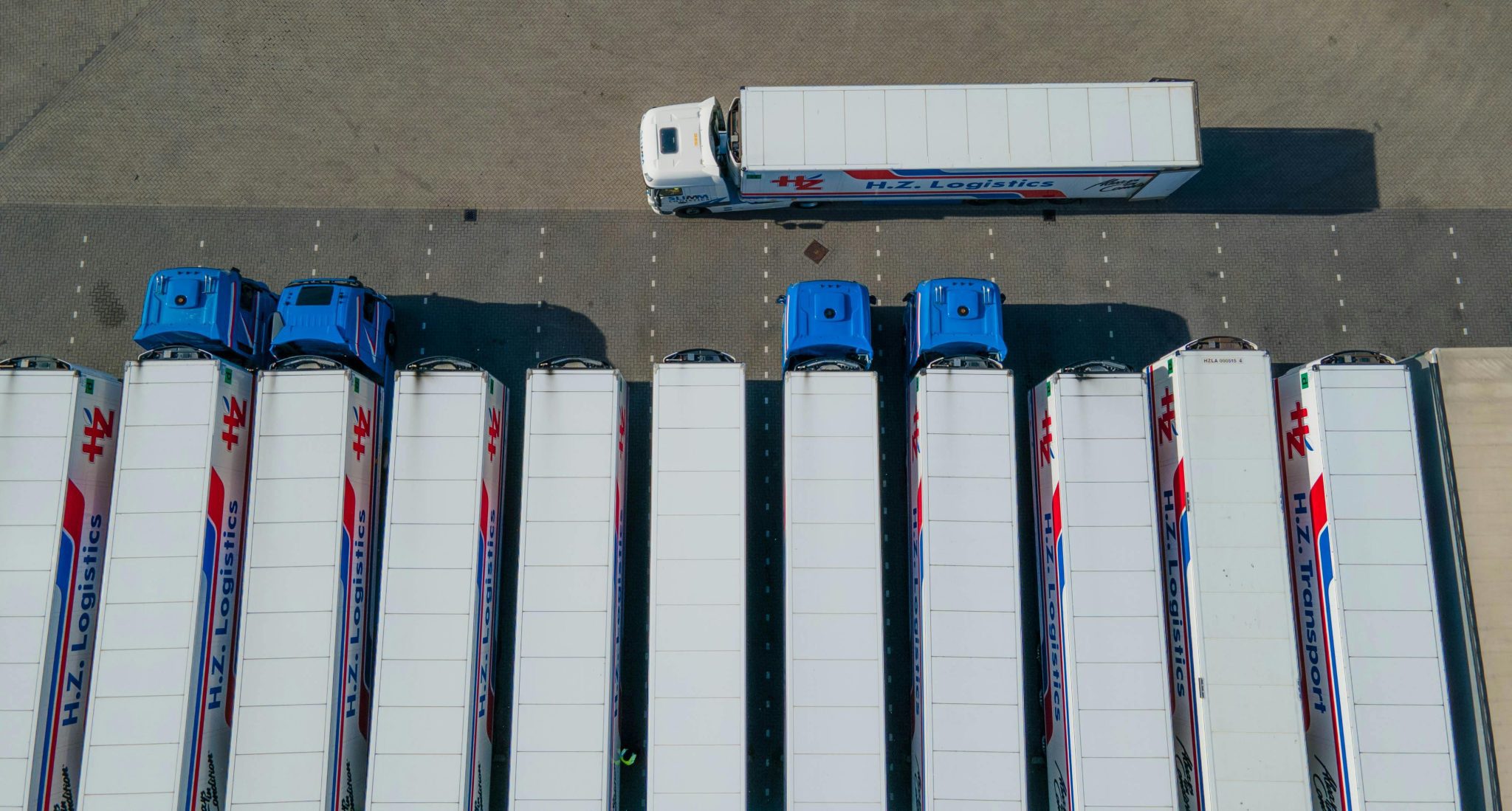
Fleet intelligence is transforming modern logistics by integrating telematics, data analytics, and IoT technologies. Companies investing in fleet intelligence achieve higher operational visibility, lower costs, and stronger customer satisfaction.
Telematics trends such as real-time data streaming, AI-driven driver monitoring, and predictive maintenance increase fleet performance. These trends improve fuel optimization, regulatory compliance, and asset tracking across industries.
Logistics leaders are now shifting from reactive to proactive operations with data-driven decision-making. Understanding current telematics trends is essential for building future-proof and competitive fleet strategies.
What Is Fleet Intelligence?
Fleet intelligence uses telematics data, vehicle sensors, and real-time analytics to manage and optimize fleets. These fleets include trucks, vans, delivery vehicles, and service vehicles operating across various industries.
Platforms process vital data such as vehicle location, driver behavior, fuel usage, maintenance needs, and route efficiency. Businesses then apply these insights to enhance performance, cut operational costs, and streamline logistics.
What Is Telematics?
Telematics systems combine telecommunications and informatics to send, receive, and store vehicle data. This technology enables real-time monitoring and smarter management of fleet operations.
Devices installed in each vehicle capture details such as GPS location, engine health, fuel usage, driver behavior, and load status. These data streams serve as the foundation for modern fleet intelligence platforms, driving smarter and more efficient logistics operations.
7 Telematics Trends Impacting Modern Logistics
Here are 7 current telematics trends actively shaping fleet intelligence today:
1. Real-Time Data Streaming
Companies can now view vehicle data as it happens with real-time data streaming. This gives them constant visibility over their fleet’s movement and condition.
Key details like live location, engine health, and driver status are captured instantly. These insights help improve routes and ensure deliveries stay on schedule.
2. Predictive Maintenance
Using telematics, businesses can now predict when vehicles will need repairs. This helps them plan maintenance before costly breakdowns occur.
The system tracks signs like engine wear, brake condition, and tire performance. This proactive approach keeps vehicles in top shape and reduces downtime.
3. AI-Powered Driver Behavior Monitoring
AI tools analyze how drivers operate their vehicles day to day. This helps improve both safety and driving efficiency.
The system monitors actions like hard braking, sudden acceleration, and speeding. These insights allow companies to provide better coaching and reduce accident risks.
4. Fuel Optimization Analytics
Fuel costs are one of the biggest expenses in logistics. Analytics help companies identify where fuel is being wasted.
Data on idle time, route choices, and engine load is carefully tracked. By acting on this information, businesses can lower fuel use and cut emissions.
5. Regulatory Compliance Automation
Staying compliant with transport regulations is easier with telematics. Automated tracking removes much of the manual work involved.
Details like hours of service, log records, and emissions data are recorded automatically. This reduces compliance risks and simplifies audits for fleet managers.
6. Video Telematics Integration
Video combined with telematics data gives a fuller picture of fleet operations. This helps companies better manage safety and reduce liability.
Dashcam footage offers context for driving events and supports insurance claims. It also encourages drivers to adopt safer habits on the road.
7. IoT-Enabled Asset Tracking
Monitoring goods and equipment in transit is more precise with IoT tracking. This gives logistics teams greater visibility at every stage.
The system tracks details like cargo temperature, equipment status, and container location. These insights help protect valuable shipments and improve delivery accuracy.
Business Benefits Of Investing In Fleet Intelligence
Investing in fleet intelligence delivers measurable business benefits:
Operational Efficiency
Fleet intelligence helps optimize route planning, driver performance, and fuel usage. This leads to faster deliveries and better resource utilization across operations.
Cost Reduction
Businesses can lower fuel consumption, reduce maintenance costs, and cut insurance premiums. These savings directly improve overall profitability.
Compliance Assurance
Automated tracking helps maintain continuous compliance with industry regulations. It simplifies reporting and reduces the risk of costly penalties.
Customer Satisfaction
Better delivery accuracy and service levels increase customer trust. Timely and reliable deliveries enhance the overall customer experience.
Safety Improvements
Monitoring driver behavior helps reduce accidents and improve accountability. Safer operations protect both drivers and company assets.
How To Invest In Fleet Intelligence?
Assess Fleet Needs
Start by identifying key operational challenges and performance goals. This helps ensure the investment focuses on the right areas.
Select a Platform
Choose a fleet intelligence platform that can scale with your business. The right platform should fit current needs and support future growth.
Integrate Telematics Hardware
Install telematics devices across all fleet vehicles. This ensures consistent data collection and system-wide visibility.
Analyze Data
Use platform analytics to turn raw data into actionable insights. These insights guide smarter decisions and continuous improvements.
Train Personnel
Educate fleet managers and drivers on how to use telematics data. Well-trained staff can fully leverage the system’s capabilities.
Optimize Continuously
Regularly review performance data and adjust operations as needed. Ongoing optimization helps maintain efficiency and competitive advantage.
Conclusion
Fleet intelligence is changing how modern logistics companies manage their operations. It helps improve efficiency, lower costs, and boost overall performance.
Telematics trends like real-time data, AI-driven insights, and IoT tracking are driving this transformation. Businesses that adopt these technologies gain better visibility and stronger control over their fleets.
Investing in fleet intelligence is now key to staying competitive in the logistics industry. Companies that take action today will build smarter, safer, and more efficient operations for the future.