
By ImpactWealth.Org
Every year, millions of people start January with ambitious New Year’s resolutions, only to abandon them weeks later. According to a study published by the Journal of Clinical Psychology, about 80% of resolutions fail by February. But why?
As someone experienced in analyzing personal development trends, I’ve reviewed López’s strategies to help you make 2025 a year of actual change. These evidence-based techniques not only promise success but also align with behavioral science.
1. Shift from Avoidance Goals to Approach Goals
The Problem: Most resolutions focus on avoiding perceived flaws, such as eating less junk food or spending less time on screens. While these “avoidance goals” are well-intentioned, they often lack motivational energy.
Solution: Reframe these into “approach goals.”
- Example: Instead of saying, “I want to stop eating fast food,” set a goal like, “I aim to cook at least three healthy meals per week.”
- Why it Works: Approach goals focus on positive actions, fostering a sense of achievement rather than deprivation.
Studies in Behavioral Neuroscience show that approach-oriented goals significantly improve long-term adherence because they tap into our brain’s reward system.
2. Break Goals into Manageable Chunks
The Problem: Big goals, like quitting coffee or saving thousands of dollars, feel overwhelming and unattainable.
López’s Solution: Chunk your goals into smaller, achievable milestones.
- Example: Instead of quitting coffee overnight, start by replacing it with tea on weekends. Gradually increase non-coffee days.
- Science-Backed Benefit: Small victories release dopamine, the brain’s “feel-good” chemical, motivating further progress.
Real-World Application: Behavioral studies from Harvard Business School reveal that micro-goals reduce psychological resistance, making change sustainable.
Also read: How to Create Wealth Investing in Real Estate
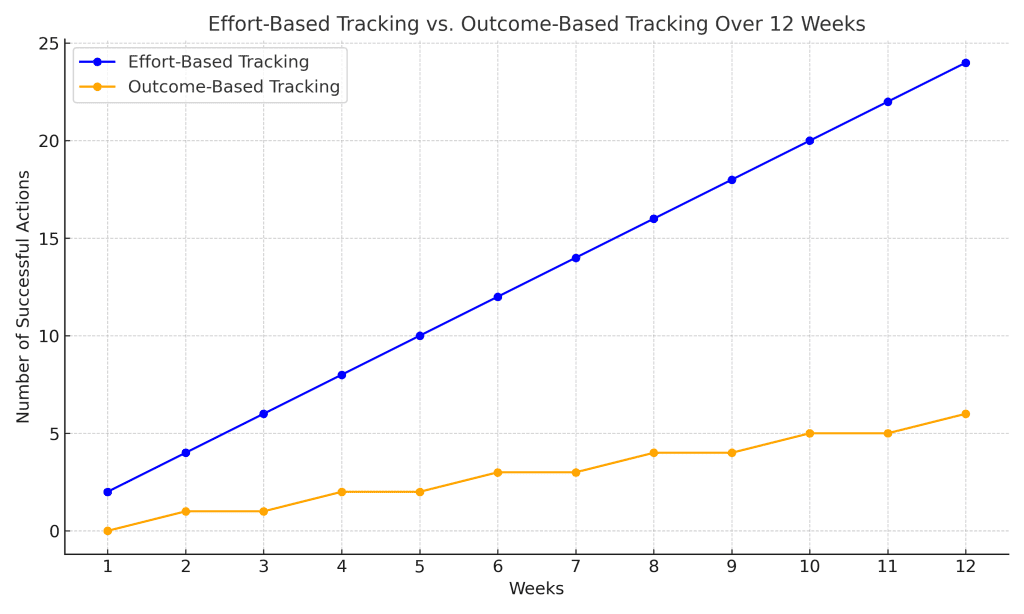
3. Measure Effort, Not Outcomes
The Problem: Many resolutions falter because they focus solely on end results, such as losing 30 pounds or saving $10,000.
López’s Solution: Track effort instead of results.
- Example: Replace “I want to lose 30 pounds” with “I will walk 30 minutes three times a week.”
- Why it Works: Effort-based tracking builds momentum by celebrating consistency, even before visible results appear.
Pro Tip: Use tools like habit-tracking apps or physical calendars to log your actions. This creates a visual reminder of your progress.
4. Harness the Power of Community
The Problem: Motivation wanes, especially when pursuing goals in isolation.
López’s Solution: Surround yourself with like-minded individuals for accountability and support.
- Example: Join a fitness group, a book club, or an online forum dedicated to your goal.
- Why it Works: Peer accountability doubles your likelihood of success, according to a study published in Psychological Science.
Expert Tip: Be reciprocal in your support. “When you help others achieve their goals, you reinforce your commitment to your own journey,” López explains.
5. Optimize Your Physical Environment
The Problem: Your surroundings can sabotage your efforts.
López’s Solution: Design a physical space that supports your goals.
- Example: Stock your fridge with healthy ingredients if you want to cook more. Keep workout clothes in plain sight if you plan to exercise.
- Science-Backed Insight: A study by Stanford researchers found that small environmental changes can significantly boost habit formation.
Practical Tip: Start by decluttering areas that distract from your goals.
6. Focus on One Goal at a Time
The Problem: Tackling multiple resolutions simultaneously often leads to burnout.
López’s Solution: Prioritize a single goal for at least three months before introducing another.
- Example: Dedicate Q1 to building a morning exercise routine. In Q2, shift focus to reducing screen time.
- Why it Works: Behavioral psychologists emphasize that concentrated effort improves success rates for habit adoption.
Implementation Plan
Here’s how you can apply these strategies in a structured way:
| Step | Action | Timeframe |
|---|---|---|
| Reframe Avoidance Goals | Turn “quit soda” into “drink more water.” | Start immediately. |
| Break Goals into Chunks | Replace soda twice a week initially. | First 30 days. |
| Track Effort | Use a habit-tracking app to monitor progress. | Ongoing. |
| Find Community | Join a health-focused group or app. | By January 15th. |
| Optimize Environment | Keep water bottles accessible at home/work. | First week of January. |
| Prioritize One Goal | Focus on hydration for Q1 2025. | January–March. |
Conclusion: A Year of Sustainable Growth
Success in 2025 isn’t about grandiose resolutions; it’s about small, strategic changes that align with your values. By adopting López’s science-backed strategies, you’ll create habits that stick and build momentum for long-term growth.
For more actionable advice and success stories, visit ImpactWealth.Org, where we share expert insights and practical tools for personal development.
References:
- Journal of Clinical Psychology – New Year’s Resolution Success Rates
- Harvard Business School – Micro-Goals for Behavior Change
- Stanford Behavioral Science – Environmental Factors in Habit Formation
- Psychological Science – Accountability in Goal Achievement
- Michael J. López, “Change: Six Science-Backed Strategies to Transform Your Brain, Body, and Behavior”
Also read: Investment Management Problems and Solutions: Expert Strategies for Success