For the last fifty years, the story of technological progress has been written in silicon. We’ve witnessed a relentless march of innovation, from microchips and personal computers to the internet and artificial intelligence. This digital revolution has reshaped our world. But as Moore’s Law slows and the limits of silicon become apparent, a new frontier is emerging—one that’s not built from circuits, but from cells. For decades, innovation has been a high-stakes game, with tech giants placing massive bets on the next big thing, much like a calculated wager at https://fortunica-online.com/en-au. The odds have always favoured silicon and software. But the game is changing, and the next jackpot may come from a completely different field: biology.
We are on the cusp of a biological revolution, where the building blocks of life itself—DNA, proteins, and cells—are becoming the new programmable matter. This article explores why the next wave of disruptive technology may be grown in a lab, not coded on a computer.
The Code of Life: Biology as the New Digital
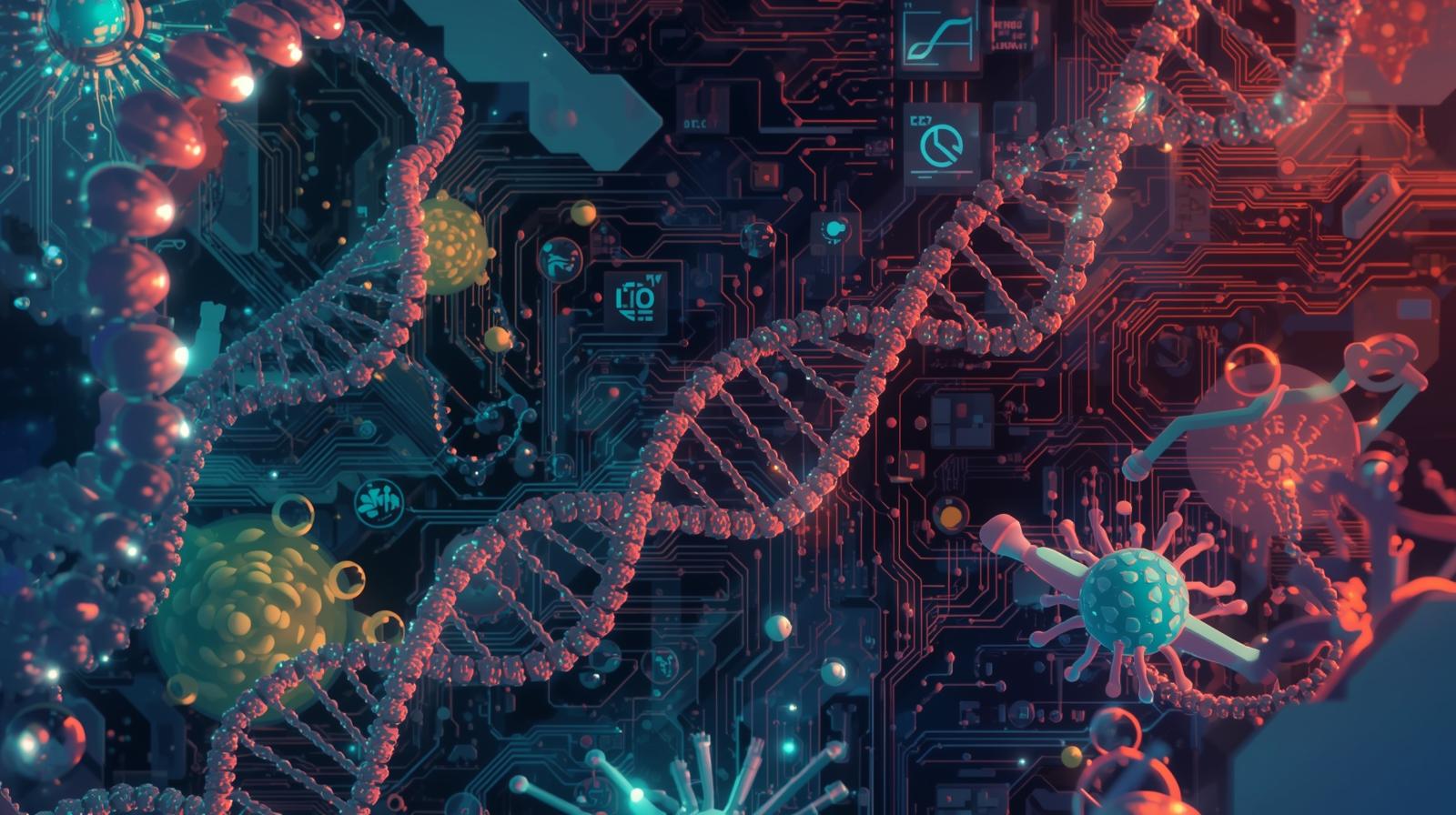
The digital world runs on a simple binary code: 1s and 0s. This language, when arranged in complex sequences, gives us everything from smartphone apps to AI. Biology, it turns out, has its own code. DNA is a programming language written with four letters (A, T, C, and G) that contains the instructions for every living thing on Earth.
For a long time, this code was unreadable and unwritable. Now, that has changed. Thanks to exponential advances, the cost of sequencing a human genome has plummeted from billions of dollars to a few hundred. This biological equivalent of Moore’s Law means we can now read, write, and edit DNA with astonishing speed and precision. In essence, we are learning to programme life itself.
The Bio-Revolution in Action: Three Pillars of Innovation
This new ability to engineer biology is not science fiction; it’s already creating new industries and solving some of our biggest challenges. The revolution is being built on three key pillars.
Synthetic Biology: Programming Life Itself
Synthetic biology is about designing and building new biological parts, devices, and systems that don’t exist in the natural world. Think of it as electrical engineering for living things. Instead of transistors and resistors, scientists use genes and proteins to create “biological circuits” that can perform new functions.
- Example: Engineering yeast to produce biofuels, creating a sustainable alternative to petrol.
- Example: Designing bacteria that can detect diseases in the human gut or identify pollutants in the environment.
Bioinformatics: Where Data Science Meets DNA
The ability to read DNA generates an astronomical amount of data. Bioinformatics is the field that uses powerful computing and AI to make sense of it all. It’s the crucial link between the biological and digital worlds, allowing us to spot patterns in genetic data that would be impossible to find manually.
- Example: Developing personalised medicine, where treatments are tailored to a patient’s unique genetic makeup.
- Example: Accelerating drug discovery by simulating how new molecules will interact with proteins in the body.
Bio-Materials: Building With Nature’s LEGO
Nature is the ultimate manufacturer, creating incredibly strong, light, and sustainable materials. By harnessing biology, we can now produce these materials without the environmental cost of traditional manufacturing.
- Example: Growing leather in a lab without animals, reducing the carbon footprint of the fashion industry.
- Example: Producing spider silk—one of the strongest materials known—from engineered microbes for use in everything from medical sutures to lightweight armour.
The Revolution’s Impact: From Silicon to Carbon
The shift from a computer-centric to a biology-centric technological base will have profound implications across every industry.
| Aspect | The Computer Revolution (Past/Present) | The Biology Revolution (Future) |
| Core Material | Silicon, Metals | Cells, DNA, Proteins |
| Programming Language | C++, Python, Java | Genetic Code (A, T, C, G) |
| Key Innovations | The Internet, AI, and Smartphones | Personalised Medicine, Sustainable Materials, Engineered Organisms |
| Impact on Industry | Automation of Information | Automation of Manufacturing & Health |
Australia is well-positioned to be a leader in this field, with world-class research institutions like the CSIRO and universities across the country pioneering new developments in biotech and agri-tech.
Beyond the Binary: Embracing Our Biological Future
The digital revolution gave us the power to manipulate information. The biological revolution will give us the power to manipulate matter itself. It promises a future with personalised cancer treatments, carbon-neutral manufacturing, and computers that can store data in DNA for thousands of years. Of course, this power brings with it immense ethical responsibilities that we must navigate carefully.
The digital age taught us to think in code. The biological age will require us to think like gardeners, architects, and evolutionists all at once. The next revolution won’t be downloaded; it will be grown. It’s time to start paying attention to the technology that has been powering our planet for billions of years.