In today’s world, you must do everything possible to protect your business from harm. That includes the health of your workforce, too. They’re an important cog in the wheels that turn the business, and when you’re not looking after their well-being, that’s where further problems can start to appear.
With that in mind, many companies are actively looking at ways in which they can be proactive in their health and wellness efforts for the benefit of their employees.
In this guide, we’ll look at how corporate health and safety policies shape long-term resilience and the way real-world companies are turning safety into strategy.
How corporate health and safety policies shape long-term resilience
There are many companies out there that have thought long and hard about their health and safety policies. Some don’t, and that can be worrying for staff members who trust their employer to take good care of them when they’re in the workplace.
However, there’s always time and room for improvement. That’s why it’s good to look at your own policy to see how it can be shaped best for long-term resilience.
Hazard identification and mitigation
Conducting regular safety audits and risk assessments, as well as training programs, it can all be helpful to identify and address any potential hazards within the workplace.
Mitigating these dangers is also important, which is why the polices are good to have in place.
Reduced accidents and illnesses
With a strong focus on health and safety, it can lead to fewer workplace injuries and illnesses. That helps to reduce operational downtime, ensuring a smoother and more efficient operation in general when it comes to the workplace.
Enhanced productivity and efficiency
Investment in your health and safety policies enhances productivity and creates a healthier workforce in general. This translates to increased productivity and engagement.
Employee morale and trust
Employees are likely to be much more motivated and loyal when it comes to workplaces where their health and safety is a priority. This can lead to higher morale and better retention rates as a result.
Adapability for change
With a foundation of health and safety in place, it gives organizations the ability to adapt more effectively to challenges and broader changes that might come the company’s way in the future. Thus making them more resilient in the long term.
The benefits of CPR and first-aid training for employees
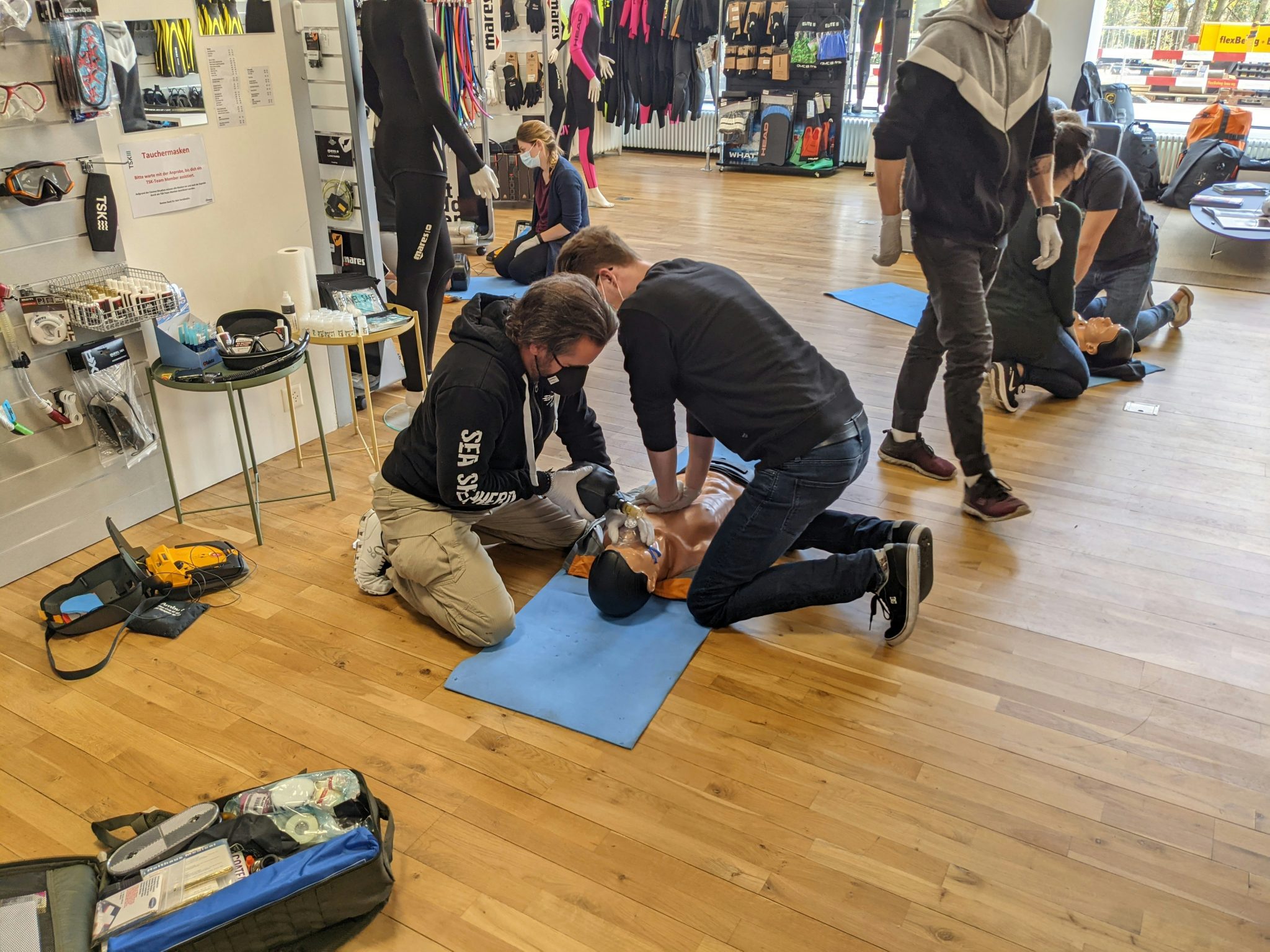
While you never want to find yourself in a position of conducting CPR on someone or having to get out the first-aid box, it’s important that some of your staff hold this knowledge and experience where possible.
There are many benefits of CPR and first-aid training for the benefit of the employees. As an employer, it provides peace of mind that there are people within the workforce who can spring into action where needed. Not only that but it helps demonstrate a commitment to worker wellbeing, especially if you’re needing to boost employee morale.
For employees, there are numerous benefits worth considering if you’re exploring free CPR classes or available training courses for first-aid, etc.
Saves lives
Employees gain the ability to provide immediate care and assistance during cardiac arrest or for any degree of injury that might have suddenly occurred, requiring their attention.

Increases confidence
Confidence is an important quality for anyone to have when it comes to the workplace. Training for the purpose of CPR and first-aid is great for those who need to improve how they respond and react in emergencies.
Promotes a safer work environment
Employees will become more aware of the potential safety hazards that are around, thanks to the things they’ll learn when on first aid training courses and CPR classes.
As such, it’ll help to create a safer working environment for everyone.
Reduces injury severity and recovery time
With prompt first aid and attention when someone has been injured, it can often help reduce the injury severity for the most part. It can also improve the recovery time of a staff member. That minimizes the time they spend away from work as a result.
Real-world examples of companies turning safety into strategy
There are some great, real-world examples to touch on when it comes to companies turning their safety efforts into a strategy that benefits the business in more ways than one.
If you’re looking for some examples of companies that have helped turn safety situations into something positive, then read on.
1. Johnson & Johnson
Famous for its range of health and wellness products, mainly for little ones, Johnson & Johnson had a major scandal in 1982, when seven people in Chicago died after taking Tylenol capsules laced with cyanide.
The company, rather than going into meltdown, responded in a calm and swift manner. A costly product recall was implemented, as well as the introduction of tamper-proof packaging.
This quick timing and reaction of safety experts helped to turn this potentially business-ending situation into a great strategy to win back public trust.
It also led to widespread changes in the over-the-counter medication industry.
2. Zoom
Zoom is another big corporation, playing a big part in keeping businesses alive during the pandemic.
The platform very quickly became a necessity for many companies and educators who relied on it to connect with the people they needed to speak or interact with.
However, there came an equal growing rise in security flaws and privacy issues for the platform. By early 2020, the business faced scrutiny over its lack of security and privacy procedures and efforts in general.
The backlash reached a point at which high-profile users, like government agencies, were beginning to ban Zoom in favor of more secure alternatives.
In response to this, Zoom acted fast and responded with a textbook successful crisis management example. The 90-day security plan helped focus on improving security and privacy.
From end-to-end encryption to adding enhanced security measures like waiting rooms and password protection for meetings. This all helped for the benefit of the employees’ safety and privacy.
Forward-thinking companies spend a lot more time thinking about the health and well-being of their employees. So use this article as an opportunity to do more for your teams this year.