Crashes involving commercial vehicles, which include not just tractor-trailers, but also delivery vans, construction trucks, buses, and fleet vehicles, are fundamentally different from ordinary car accidents. The sheer difference in size, weight, and operational complexity introduces unique legal and investigative dynamics that are not present in standard fender-benders. When a work vehicle is involved, the collision is rarely a simple two-driver dispute; it becomes a multi-faceted legal challenge.
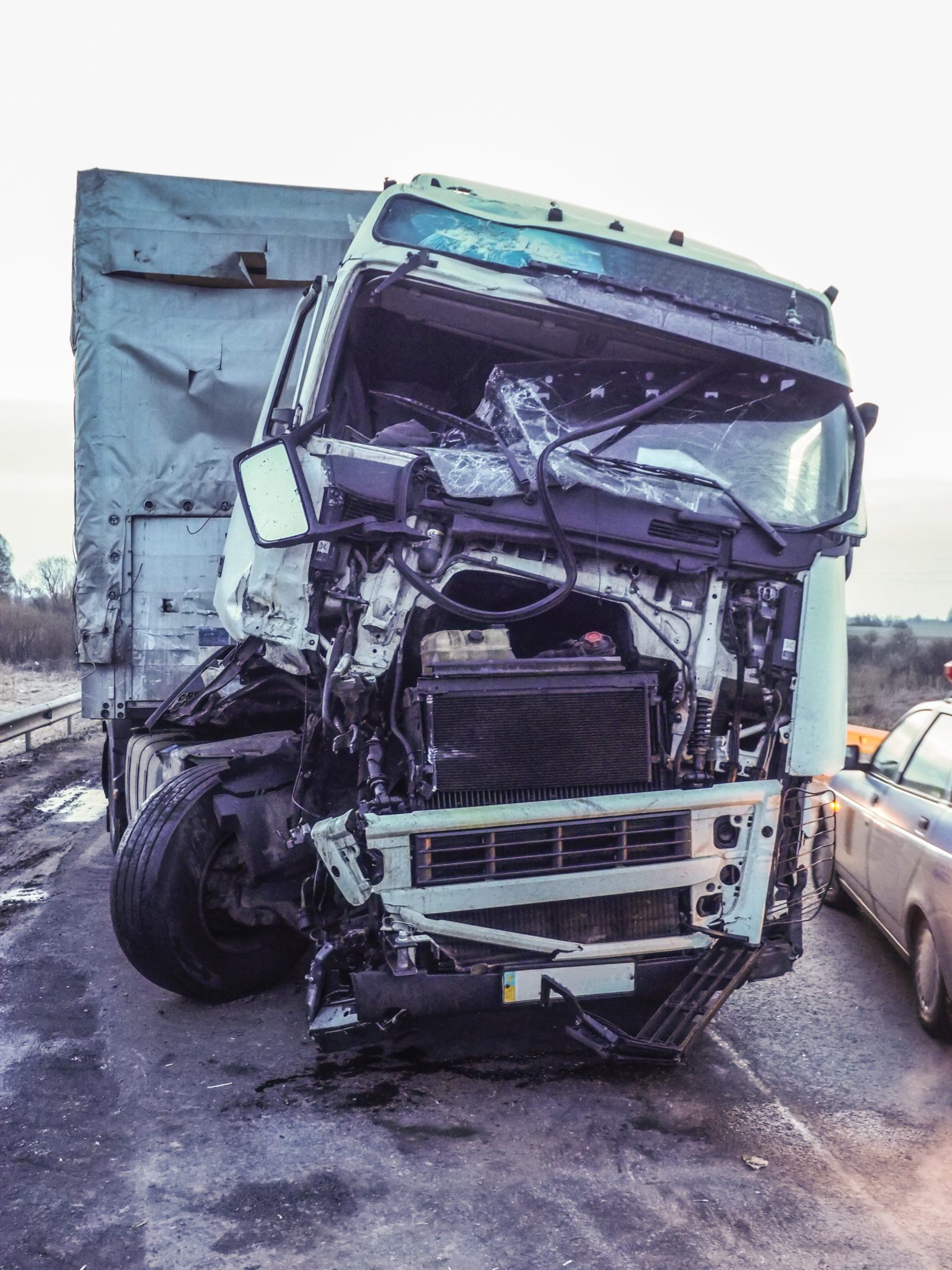
The primary dynamic shift is related to the catastrophic physics of the impact. The weight differential between a standard passenger car (around 4,000 lbs) and a fully loaded commercial truck (up to 80,000 lbs) means the collision is almost always one-sided, resulting in devastating injuries or fatalities for the occupants of the smaller vehicle. This guaranteed severity increases the stakes exponentially.
Furthermore, a commercial vehicle accident investigation automatically involves complex federal and state regulations, shifting the focus from just the driver to the employer, the equipment, and the company’s maintenance and safety policies. This broader scope requires immediate, specialized legal intervention to handle the scale of liability involved.
Vehicle Size and Operational Differences
The physical disparity between commercial vehicles and passenger cars dictates the severity of the damage. A truck’s higher ground clearance means that smaller cars can often underride the trailer in a rear-end or side collision, resulting in severe intrusion into the passenger compartment—a scenario that is often instantly fatal.
Operational differences also introduce unique hazards. Commercial drivers require significantly longer stopping distances, particularly when carrying heavy loads or traveling on slick roads. When a crash occurs, the defense often argues that the smaller vehicle was in the truck’s blind spot or failed to account for the truck’s necessary stopping time.
These vehicles are also subject to specific operational rules, such as limits on hours of service and mandatory rest breaks, all tracked via Electronic Logging Devices (ELDs). A failure to follow these operational rules often constitutes a breach of safety standards that can be directly tied to the cause of the accident.
How Employer Responsibility Enters the Picture
In any crash involving a commercial vehicle, the employer—the trucking company, construction firm, or delivery service—is brought into the liability picture through legal doctrines like respondeat superior (Latin for “let the master answer”). This principle holds the employer responsible for the negligence of an employee acting within the scope of their job duties.
Beyond simply being responsible for the driver’s actions, the employer often carries independent liability for their own corporate negligence. This includes negligent hiring (failing to check a driver’s background), negligent retention (keeping a driver with a known history of accidents), or negligent maintenance (failing to service brakes or tires).
The company is typically the defendant with the deep pockets, backed by massive corporate insurance policies. Therefore, the legal strategy immediately pivots to establishing not just the driver’s fault, but the systemic corporate negligence that contributed to the accident, increasing the pool of available compensation.
How Regulations Affect Investigations
Commercial vehicle investigations are governed by the Federal Motor Carrier Safety Administration (FMCSA) regulations, which impose rules far stricter than those applied to ordinary drivers. These regulations cover driver qualifications, vehicle maintenance schedules, drug and alcohol testing, and insurance requirements.
An attorney investigating a commercial vehicle accidents case must quickly secure crucial documents that are subject to FMCSA rules, including driver qualification files, maintenance records, roadside inspection reports, and the mandatory ELD data showing compliance with hours-of-service limits. The company is legally obligated to preserve these documents.
Any breach of an FMCSA regulation—such as a driver exceeding their allowed driving hours, a vehicle having faulty brakes, or a company skipping mandatory drug tests—can be used as powerful evidence of negligence per se, often simplifying the process of establishing fault in the civil claim.
Why Damages Are Often More Severe
The physical and financial damages resulting from commercial vehicle collisions are almost always exponentially more severe than those from car-on-car accidents. Victims typically sustain life-altering trauma, including traumatic brain injuries, spinal cord damage, multiple fractures, and permanent disabilities.
This severity means the calculation of damages must account for a lifetime of costs: long-term skilled nursing care, adaptive equipment, loss of future earning capacity over decades, and non-economic damages related to chronic pain and loss of enjoyment of life. The claims are often valued in the millions of dollars.
Furthermore, because commercial vehicles often carry specialized or hazardous cargo, the crash can lead to additional liabilities related to environmental contamination or cargo spillage. The sheer magnitude of these financial and personal losses guarantees the defendant companies will mount an aggressive, well-funded defense.
Why These Crashes Require Deeper Analysis
The scale, regulation, and corporate involvement inherent in commercial vehicle accidents elevate them into a distinct and specialized area of law. They require a much deeper analysis of corporate policies, federal safety standards, and operational details than any ordinary car crash.
Successfully navigating these cases requires legal counsel who understands how to manage the strict FMCSA regulatory environment and how to legally compel the preservation of the critical maintenance, hiring, and logging records held by the trucking company.
Ultimately, victims of these crashes need expertise to ensure their claim accounts for the full, catastrophic scope of their injuries and holds the corporate entity, not just the individual driver, accountable for failures in their safety operations.