Understanding the Complexity of Trucking Regulations
Navigating the aftermath of a commercial truck accident is daunting. These cases are subject to a maze of federal and state laws established to keep roads safe. The Federal Motor Carrier Safety Administration (FMCSA) enforces strict regulations on hours of service, routine vehicle maintenance, and driver qualifications. Due to the layered nature of these laws, even small violations can significantly influence liability in an accident claim. This complexity underscores why seeking guidance from truck accident attorneys is crucial for individuals hoping to build a strong legal case.
Legal teams proficient in trucking law not only understand the letter of the law, but also how local statutes interact with federal mandates. This dual expertise helps identify overlooked violations and strengthens the possibility of a successful outcome for accident victims.
Severity of Injuries and Higher Stakes
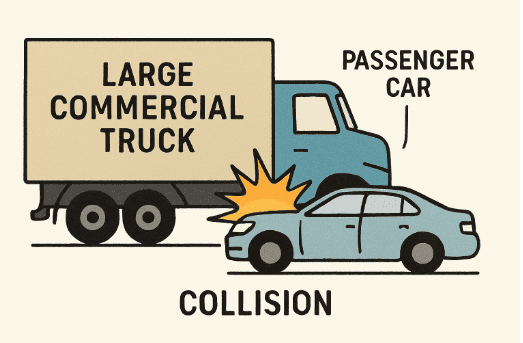
An accident with a commercial truck often results in devastating injuries due to the immense size and weight difference compared to passenger vehicles. According to the National Safety Council, large trucks were involved in 5,375 fatal crashes in 2023, an increase of 43% over the past decade. Catastrophic injuries like traumatic brain injury, spinal cord damage, and fatalities frequently result from these collisions. These high-stakes cases require legal knowledge that extends beyond personal injury claims typically filed in car accident cases.
Because of the severity of harm, victims or their families may face staggering medical bills, long-term care requirements, and even wrongful death issues. Lawyers experienced in this field understand how to pursue comprehensive compensation corresponding to the life-changing consequences often associated with truck wrecks.
Multiple Parties and Complex Liability Issues
Determining fault after a commercial truck accident is rarely clear-cut. Besides the truck driver, potential liable parties include the trucking company, truck or part manufacturers, and even third-party cargo loaders. Each of these parties could carry its own separate insurance policies, liabilities, and legal teams, making the claims process especially intricate.
Experienced attorneys have the skill to investigate each aspect of the incident, uncover hidden layers of responsibility, and accurately assign liability. This is a key advantage, since commercial carriers and their affiliates often attempt to deflect blame and minimize payouts.
Preservation and Analysis of Critical Evidence
The foundation of any truck accident case is evidence, much of which can be lost or overwritten if not preserved promptly. Modern commercial vehicles carry Electronic Control Modules (ECMs) that log essential data such as vehicle speed, braking actions, and hours of service. Legal counsel familiar with trucking cases knows to act swiftly, issuing legal holds or spoliation letters to safeguard data critical to proving responsibility.
Other forms of evidence, such as driver logs, maintenance records, and dashcam footage, require careful collection and expert analysis. The ability to gather and interpret this information quickly can make the difference between a dismissed claim and a successful legal resolution.
Dealing with Aggressive Defense Strategies
Trucking companies, aware of the financial implications of accident claims, often deploy rapid response teams to accident sites within hours. These teams collect evidence, interview witnesses, and coordinate with insurers to develop a narrative that favors the company. Handling such aggressive tactics requires a lawyer who specializes in truck accidents and can efficiently counter defense strategies.
Skilled attorneys ensure victims are not outmaneuvered by corporate interests. By anticipating and preparing for common defense ploys, they protect clients’ rights and work toward the fair compensation injured parties deserve.
Understanding Insurance Coverage Nuances
Federal law requires commercial trucks to maintain substantial insurance policies, often ranging from $750,000 to several million dollars, depending on the type of cargo and truck involved. Higher insurance coverage translates to more resources for victims, but also leads insurers to defend claims with particular fervor. Navigating these insurance nuances requires a strategic approach, both in evaluating policy terms and understanding the tactics insurers deploy to limit liability.
Attorneys with expertise in commercial trucking accidents negotiate from a position of understanding, recognizing which settlement offers are reasonable and which undervalue the true scope of damages, ensuring victims do not inadvertently agree to inadequate compensation.
Access to Specialized Resources and Expert Witnesses
Building a strong commercial truck accident case frequently means enlisting the insight of subject-matter experts. Accident reconstructionists, medical specialists, and industry veterans play a vital role in clarifying technical and medical aspects for the court and claims adjusters. Attorneys dedicated to truck accident litigation commonly maintain networks of such professionals whose testimony can significantly strengthen a plaintiff’s case.
This advantage is essential when facing well-resourced trucking companies and insurers who typically have their own experts ready to challenge claims.
Final Thoughts
Navigating a commercial truck accident claim can be overwhelming due to the vast number of laws, complex liability issues, and the aggressive defense strategies often employed by large companies. Specialized legal knowledge offers a crucial edge; attorneys skilled in truck accident claims can quickly secure key evidence, identify responsible parties beyond the obvious, and leverage expert testimony to build the strongest possible case. Victims facing the aftermath of a serious commercial truck accident should prioritize working with legal professionals who bring this wealth of experience to every case for the best chance at receiving full, fair compensation.