A thin line on a basement wall or a jagged break in the exterior brickwork often triggers a wave of concern for any homeowner. It is natural to worry that the entire house is slowly pulling apart or that a major collapse is imminent. Most of the time, these visible markers are not isolated incidents of damage but rather symptoms of a much larger physical process occurring beneath the surface. The house is attempting to adapt to forces that are invisible to the naked eye.
These signs are frequently misunderstood as simple aging or the result of a house settling into its place. Many people assume that a bit of caulk or a fresh coat of paint will solve the problem and restore the original look of the wall. However, viewing these breaks as purely cosmetic flaws ignores the reality of how structures interact with the ground. Every gap is a piece of data that describes the direction and the intensity of the pressure being applied to the masonry.
Foundation repair contractors use these visual clues to diagnose the health of the entire structural system. Instead of just looking at the surface, they analyze the geometry of the break to determine what is happening with the soil and the footings. This methodical approach ensures that the fix addresses the actual movement rather than just hiding a symptom. Recognizing the difference between a minor flaw and a structural warning is the first step in protecting the long term value of your property.
Analyzing Different Crack Patterns
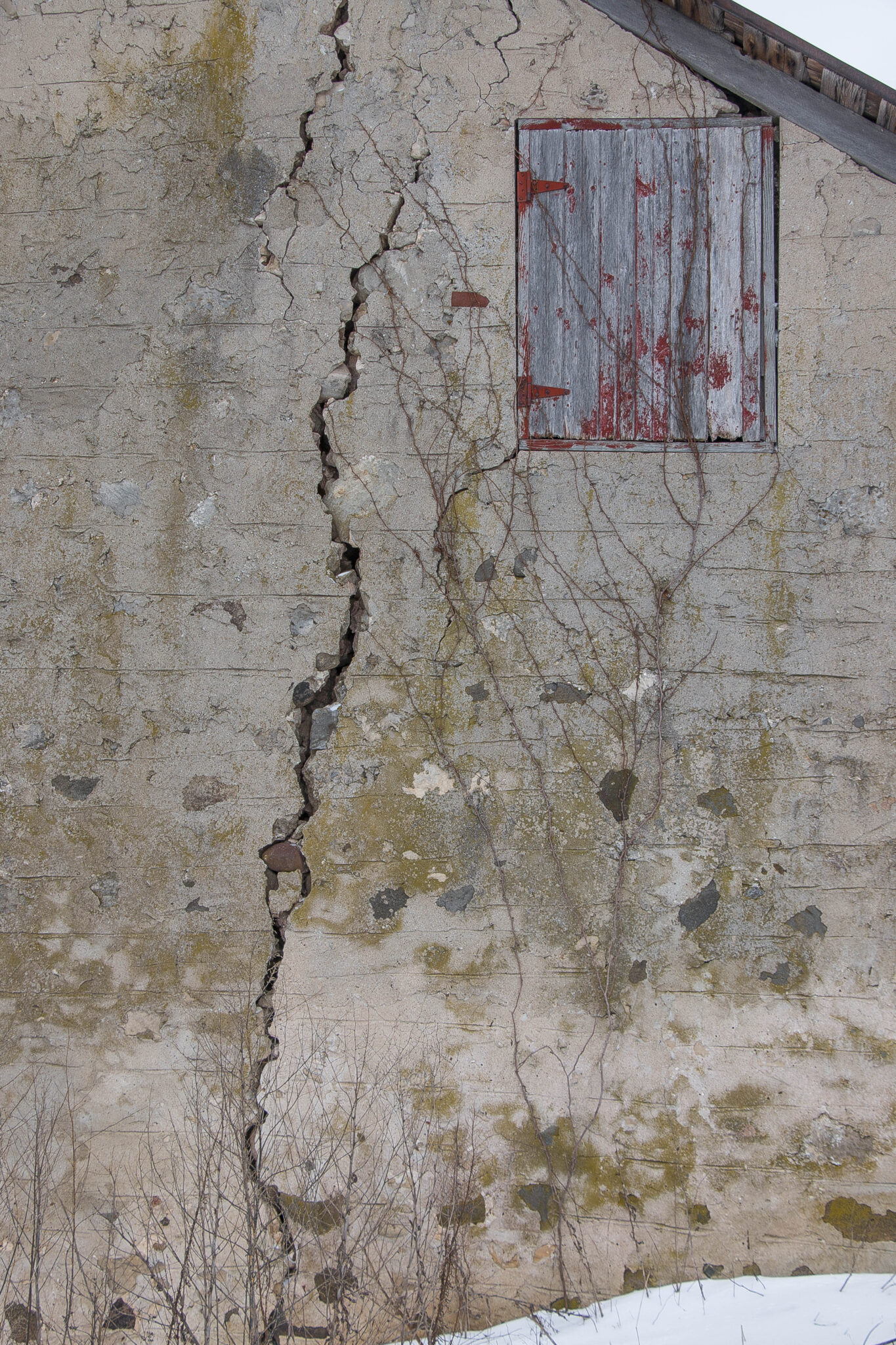
The direction and the shape of a crack provide a clear roadmap of the stresses acting on the foundation. Vertical lines are often the result of the concrete shrinking as it cures or minor settlement that has already reached a state of stability. While they should be monitored, they usually do not indicate a massive failure of the structural support system. These are common in many residential buildings and often represent the house finding its final position on the lot.
Stair step patterns in brick or block walls are a much more serious signal that a corner or a section of the house is dropping. These lines follow the mortar joints and reveal that the support beneath that specific area is no longer sufficient to carry the weight. This type of movement is often tied to localized soil saturation or a lack of proper compaction during the original construction. The house is literally stepping down as the earth gives way.
Horizontal cracks are perhaps the most concerning because they point toward intense lateral pressure from the surrounding soil. When the ground becomes saturated, it expands and pushes inward against the vertical walls of the basement or crawl space. If the wall begins to bow or lean, it creates a long horizontal split that runs across the middle of the masonry. This indicates that the wall is struggling to resist the weight of the outside environment and needs reinforcement.
The Role of Soil and Moisture
Soil movement is the primary engine behind the formation of most structural cracks in a residential setting. Ground is a dynamic material that changes its volume based on the amount of water it contains throughout the changing seasons. When rain falls, clay particles absorb the liquid and swell, exerting an upward and inward force on the concrete. This pressure can easily overcome the strength of the building materials if it becomes too concentrated in one spot.
Moisture imbalance occurs when one side of the house stays wet while the other side remains dry during a long summer. This creates uneven support as the soil on the dry side shrinks and pulls away from the structural footings. The house then tilts toward the unsupported area, leading to tension that pulls the walls apart. Maintaining a consistent level of moisture around the entire perimeter is the best way to keep the ground predictable and the foundation stable.
Drainage failures also contribute to crack formation by allowing water to pool near the base of the structure. If gutters are clogged or the ground slopes toward the house, the soil becomes over saturated and loses its load bearing capacity. This soft ground allows the heavy building to sink, creating the stress that leads to visible fissures. Every drop of rain that is not managed correctly becomes a potential source of structural distress for the masonry and the framing.
Cracks as Structural Signals
Cracks should always be treated as structural signals that describe the health of the hidden parts of your home. They are the primary way that a building communicates that it is under stress and needs attention from a professional eye. Viewing them as mere surface defects is a risky approach that can lead to significant financial loss later on. A dry and stable home depends on listening to these early warnings and acting before they escalate.
By shifting the focus from the cosmetic look of the wall to the structural reality of the site, you can make better decisions for your family. Identifying the root cause of the movement ensures that the chosen fix is durable and effective for the life of the property. The goal is to create an environment where the foundation remains a solid anchor for every room. A stable house is the result of active monitoring and informed maintenance.
Ultimately, the integrity of a home is preserved by those who take the time to look deeper than the surface layer of paint. Every line on a wall tells a story about soil, water, and pressure that must be managed to ensure safety. Staying proactive and seeking expert guidance at the first sign of trouble keeps your investment secure. A healthy foundation starts with a clear perspective on the diagnostic clues provided by the cracks in the masonry.