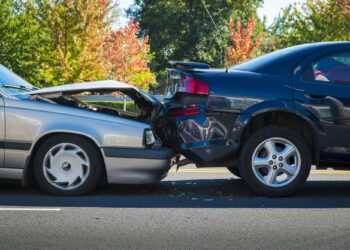
A truck crash can expose the body to forces far beyond those in a typical passenger vehicle collision. A large truck may strike with greater weight, push smaller vehicles across lanes, crush vehicle structures, or cause several impacts before everything stops. In that kind of crash, the most serious injuries may not be limited to one part of the body.
Brain, spine, and internal injuries can be especially frightening because they may affect how a person thinks, moves, breathes, works, and lives each day. Some symptoms appear immediately. Others develop later as swelling, bleeding, nerve damage, or pain becomes clearer. After a serious truck collision, victims should take every symptom seriously, even if they could speak or stand at the scene.
The Impact Can Travel Through the Entire Body
A truck crash may involve more than a single hit. A vehicle may be struck from behind, pushed into another car, spun sideways, or forced into a barrier. The body may move forward, backward, and sideways in a matter of seconds.
This violent movement can affect the head, neck, back, chest, abdomen, and pelvis at the same time. A person may first notice one obvious injury while deeper trauma remains hidden. That is why a full medical evaluation matters after a major truck crash.
Brain Injuries May Not Look Obvious
A brain injury can happen even if the person does not have an open head wound. The head may strike a window, steering wheel, headrest, airbag, or door. In some crashes, the brain may be affected by sudden movement without a direct blow.
Warning signs may include headache, confusion, dizziness, nausea, memory problems, light sensitivity, mood changes, sleep problems, or trouble concentrating. These symptoms may interfere with work, driving, conversations, and daily decisions. Because brain injuries can be subtle, victims should report changes honestly to medical providers.
Spine Injuries Can Change Movement and Independence
The spine protects the spinal cord and supports the body’s movement. A truck crash can injure the neck, upper back, lower back, discs, vertebrae, nerves, or spinal cord. Some injuries may cause pain and stiffness. Others may cause weakness, numbness, tingling, balance problems, or loss of function.
A spine injury can affect nearly every routine. Sitting, standing, lifting, walking, sleeping, driving, or returning to work may become difficult. Even when surgery is not needed, therapy, pain management, restrictions, and long recovery periods may follow.
Internal Injuries May Stay Hidden at First
Internal injuries can be dangerous because there may be no visible wound. Blunt force from a truck crash can affect the chest, abdomen, organs, blood vessels, or pelvis. A victim may feel sore at first and then develop more serious symptoms later.
Warning signs may include worsening abdominal pain, chest pain, dizziness, weakness, fainting, swelling, nausea, shortness of breath, or unusual bruising. These symptoms should not be ignored. Internal bleeding or organ damage can become an emergency if care is delayed.
One Injury Can Distract From Another
In a severe truck crash, the most obvious injury may receive attention first. A broken arm, deep cut, or visible bruising may be treated while a concussion, spinal injury, or internal trauma is harder to recognize.
Victims should tell doctors about every symptom, even if it seems unrelated. Head pressure, back pain, tingling, stomach pain, chest tightness, confusion, or weakness may help doctors decide whether imaging, monitoring, or specialist care is needed. A complete symptom history can create a clearer record of the full injury.
Delayed Symptoms Can Create Insurance Disputes
Insurance companies may question injuries that are diagnosed after the first medical visit. They may argue that the condition was unrelated, exaggerated, or caused by something else. This can happen with brain injuries, back injuries, nerve symptoms, and internal pain that worsens over time.
A clear timeline can help respond to those arguments. Medical records, discharge papers, follow-up visits, imaging, therapy notes, prescriptions, and symptom journals can show how the injury developed after the crash. Sears Injury Law may review these records along with crash evidence when evaluating the full harm caused by a truck collision.
Truck Crash Evidence Can Explain the Force
The seriousness of the injuries may make more sense when the crash evidence is reviewed. Vehicle damage, underride marks, trailer impact points, skid marks, debris, event data, dashcam footage, and witness statements may show how violent the collision was.
This evidence can matter when an insurer tries to minimize the injuries. The vehicle movement, impact height, truck speed, and number of impacts may help explain brain, spine, or internal trauma.
Recovery May Require Several Specialists
A person with brain, spine, or internal injuries may need care from more than one medical provider. Treatment may involve emergency doctors, neurologists, orthopedic specialists, trauma surgeons, physical therapists, occupational therapists, pain specialists, or mental health professionals.
Coordinating care can be difficult while the victim is also dealing with insurance calls and financial stress. Keeping records from each provider can help show the full recovery picture and prevent important details from being overlooked.
Daily Life Changes Should Be Documented
Serious injuries often affect more than medical appointments. A victim may struggle to sleep, drive, work, walk, lift groceries, care for children, cook, clean, or participate in normal activities. Brain symptoms may affect focus and memory. Spine injuries may limit movement. Internal injuries may cause fatigue and fear of worsening pain.
These changes should be written down. A simple journal, family observations, work records, and appointment calendars can help show how the crash affected real life, not just the medical chart.
When Serious Injuries Need a Full Review
Brain, spine, and internal injuries after a truck crash can change a person’s future. They may require urgent care, long-term treatment, time away from work, and help with daily routines. Some injuries are visible right away, while others become clear only after symptoms develop.
Victims should seek medical care, follow treatment instructions, save records, and report all symptoms as they appear. A truck crash claim should reflect the full physical, financial, and personal impact of the collision. When the body absorbs the force of a large truck, the harm may reach far deeper than the damage seen at the crash scene.