In the world of real estate, the term “short sale” evokes more than a discounted price tag; it signals a complex financial transaction shaped by negotiation, timing, and strategy. But what is a short sale in real estate?
A short sale occurs when a homeowner sells their property for less than the remaining mortgage balance, and the lender agrees to accept the reduced payoff to avoid foreclosure. It’s a move often made under financial distress, but one that can benefit all parties when executed wisely.
Why Sellers Opt for a Short Sale
For homeowners facing job loss, medical hardship, or market devaluation, a short sale can offer a dignified exit strategy compared to foreclosure. While their credit will take a hit, it is often less damaging than a full foreclosure, and they may qualify for a new mortgage sooner.
Key Seller Motivations:
- Avoid foreclosure proceedings
- Limit long-term credit damage
- Satisfy part of the mortgage obligation
- Transition to more manageable housing
How It Works: The Short Sale Process
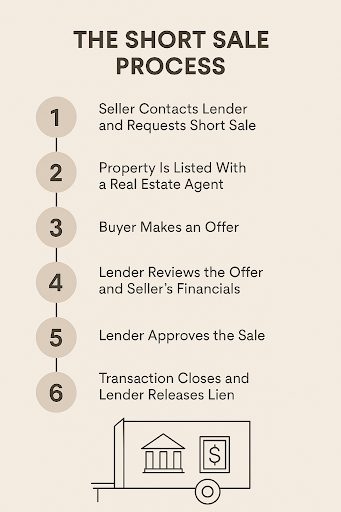
A short sale involves multiple approvals and careful documentation. Here’s how it typically unfolds:
- Seller contacts the lender with a hardship letter and requests to proceed with a short sale.
- The property is listed with a real estate agent experienced in short sales.
- Buyer makes an offer, usually below market value.
- Lender reviews the offer and supporting documents (hardship letter, financials, purchase contract).
- Lender approval may take weeks to months.
- The transaction closes, and the lender releases the lien.
Short Sale vs. Foreclosure: A Comparison of Consequences
| Feature | Short Sale | Foreclosure |
| Credit Impact | Moderate (50–150 points) | Severe (200–300+ points) |
| Time to Refinance | ~2 years | 5–7 years |
| Seller Control | Yes (chooses buyer/agent) | No (the bank takes over the process) |
| Potential Deficiency | Negotiable | Often pursued in full |
While neither option is ideal, a short sale offers greater control, dignity, and future mobility.
Also read: The Essential Step to Selling Your Home in 2025: Expert Insights
What Buyers Should Know: Risk vs. Reward
From the buyer’s side, a short sale presents a rare opportunity to acquire property below market value, but not without challenges.
Buyer Pros:
- Attractive pricing
- Potential equity upside
- Less competition than foreclosures
Buyer Cons:
- Long wait for lender approval
- Property sold as-is, often with deferred maintenance
- Possible title complications or lien issues
Tip: Work with an agent and attorney experienced in short sales and title negotiation to protect your investment.
Are Short Sales Still Common in 2025?
While less prevalent than during the 2008 housing crisis, short sales still occur, particularly in markets affected by natural disasters, economic downturns, or rapid inflation. They are also more common in luxury homes with oversized mortgages and in vacation markets where values fluctuate dramatically.
Also read: The Housing Market in 2025: A Growing Supply Problem
Short Sales in the Luxury Market
Yes, even multimillion-dollar homes sometimes sell short. When they do, the stakes are higher, but so is the potential reward. From Manhattan penthouses to Malibu beach houses, a short sale in luxury real estate can be a once-in-a-decade opportunity for savvy investors and aspirational homeowners alike.
FAQs: What to Know About Short Sales
Q: Do you need to be behind on payments to qualify for a short sale?
A: Not necessarily. If you can show financial hardship and lender risk, you may qualify even if you’re current.
Q: How long does a short sale take?
A: Anywhere from 30 to 120+ days, depending on lender responsiveness and buyer persistence.
Q: Can I negotiate the price on a short sale?
A: Yes, but the lender must approve the final terms, and lowball offers may be rejected outright.
Q: Is a short sale bad for your credit?
A: It impacts credit but less than foreclosure, and the recovery period is shorter.
About the Author
Kaleem Afzal Khan is a contributor to Impact Wealth, covering real estate trends, architecture, and luxury investment strategy. With a focus on practical elegance and financial clarity, he bridges high design with smart decision-making.
Also read: How a Real Estate Investors Calculator Can Simplify Your Investment Decisions